Blog Archives - Totalkare

How to spot a maintenance bottleneck in your fleet
How to calculate true workshop capacity
What should you look for in a railway lifting jack?
Trolley jack safety: What you need to know to keep your teams safe
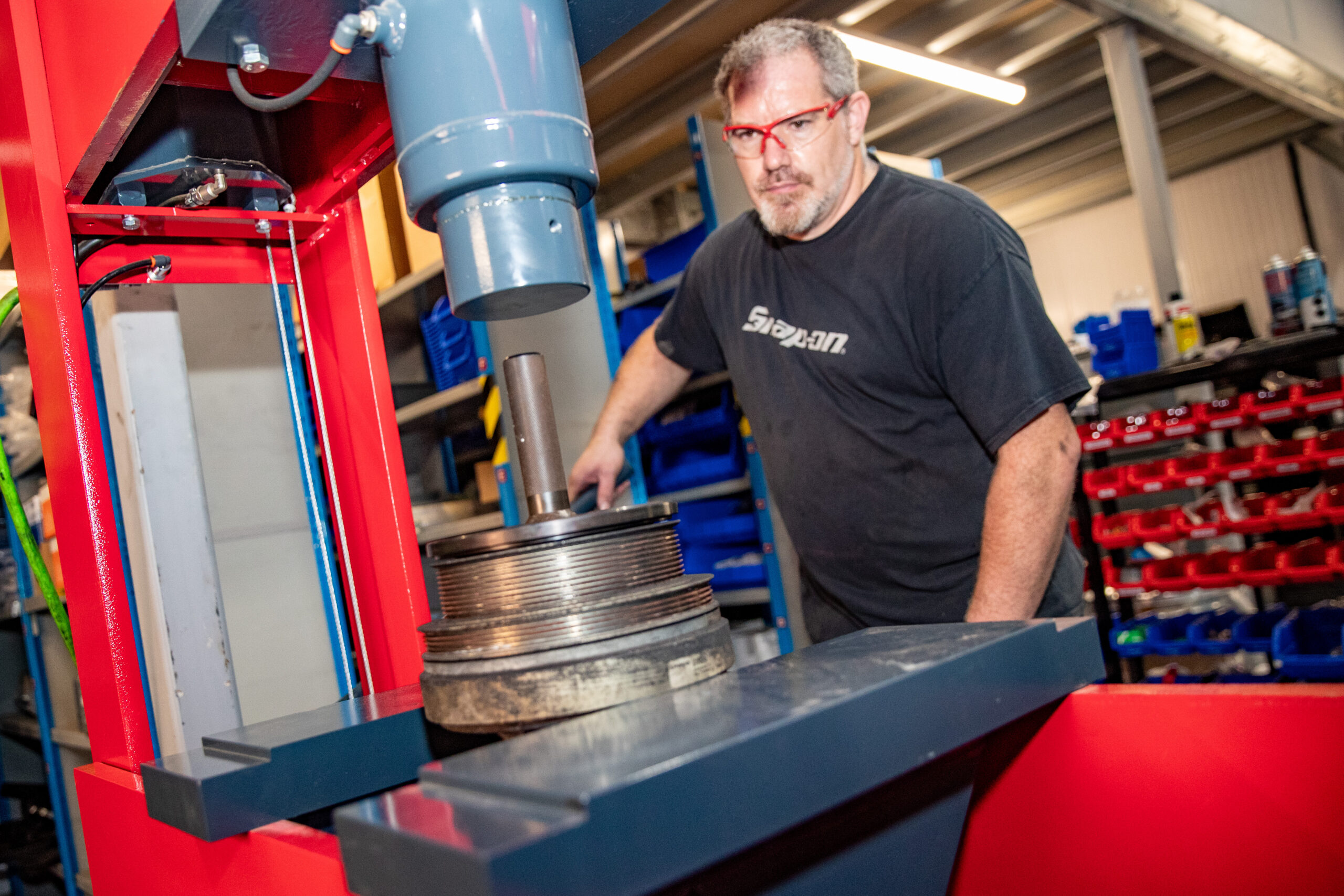
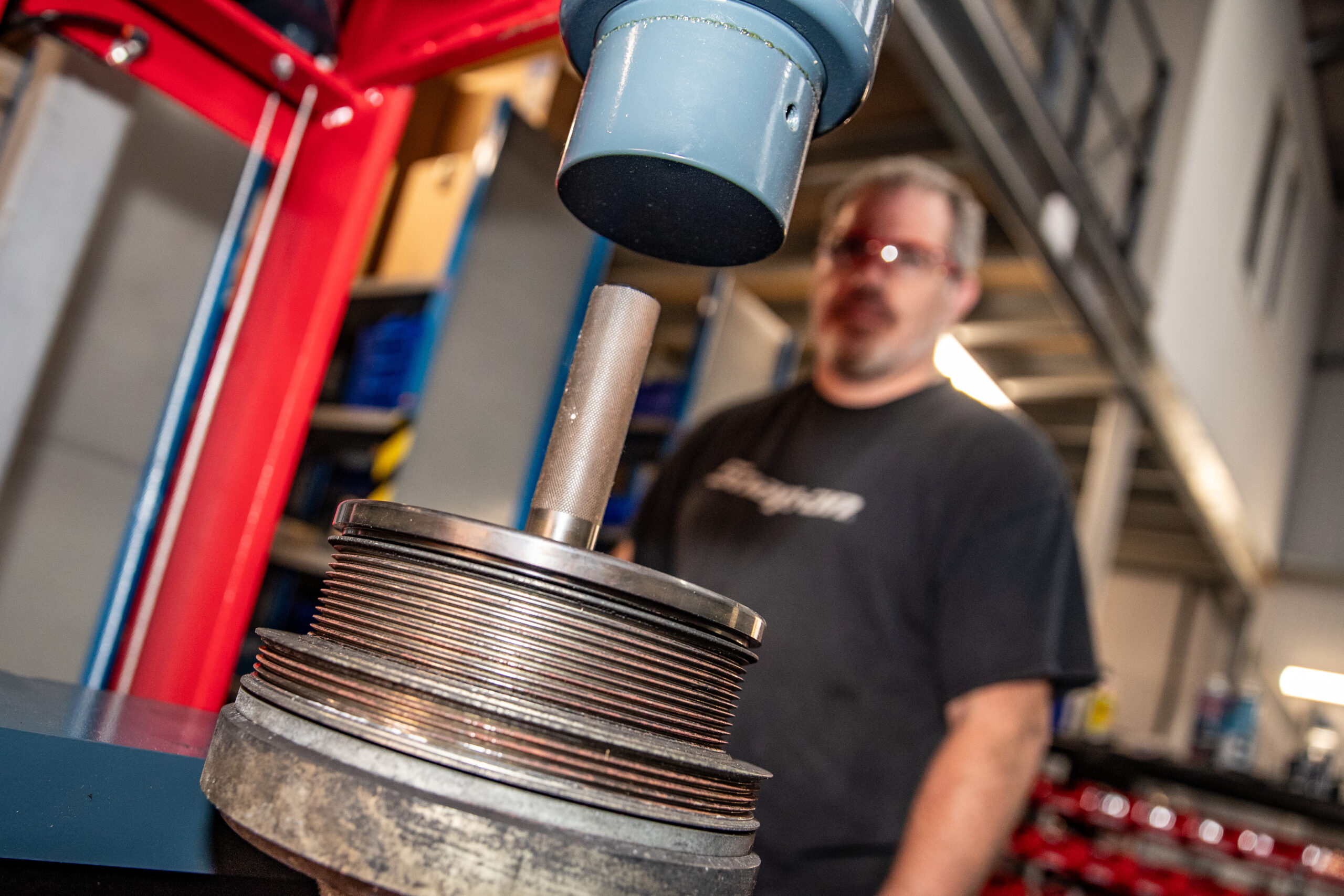
Hydraulic press safety: The most common risks and hazards In a workshop packed with heavy-duty equipment, the smaller bits of kit don’t always get enough attention. But with a hydraulic press, safety should always be a top concern: Despite its smaller size, you’re dealing with incredible forces, with a technician working close to the action. Here are the most common hydraulic press hazards — and the safety precautions you can take to reduce them: 1. Crushing and pinching With so much force applied in a small area (and a frequent need to adjust positioning), there’s a very real risk of a severe injury to your fingers and hands. Some of the most powerful hydraulic presses have capacities as high as 100,000kg. That’s enough to bend and snap the heaviest metal components — or cause extreme trauma to anything softer. High-risk activities: • Holding materials in place on the hydraulic press • Adjusting positioning when the ram is lowered • Clearing jams or cleaning surfaces when the press is powered on Hydraulic press safety precautions: • Full training on safe positioning rules • Using hand tools to hold or adjust components • Using guards or safety cages around the hydraulic press 2. Projectile parts Under the extreme forces of a hydraulic press, even the strongest components can fail. That could mean a fracture, a rapid disassembly, or simply the entire component slipping from its position. All of that pressure and energy needs to go somewhere — which often means metal parts flying off at incredible speeds. High-risk activities: • Pressing bearings, bushings, or components with springs • Poor alignment when setting up the component • The wrong support around the component you’re pressing Safety precautions: • Use the right supporting tools — press plates, V-blocks, or bearing separators • Apply the press slowly, with a gradual build-up of force • Use guards or safety cages around the hydraulic press 3. Overloading Every hydraulic press comes with a maximum load capacity: the highest amount of force you can use with that machine to ensure the safety of your hydraulic press. This maximum capacity needs to be respected — both with the model you choose to buy, and the ways your teams use it. When you push a hydraulic press beyond its maximum capacity, you’re putting stress on the machine that can cause damage to its systems and components. This damage can lead to a catastrophic failure of the hydraulic press itself — with severe danger for the person using it. High-risk activities: • Pressing heavy-duty components beyond the limit of the hydraulic press • Using a low-capacity press for high-capacity tasks • Bypassing or ignoring the built-in overload valve and other safety features Safety precautions: • Always choose a hydraulic press with a built-in safety overload valve • Assess the components and materials, and match them to the capacity of the press • Regularly inspect and maintain the press — both the hydraulic systems and the frame 4. Off-centre loading No matter what component you’re pressing, it should always be aligned with the centre of the ram and the die. When you load a component off-centre, you’re creating an off-centre force — introducing a sideways direction that can cause twisting, tipping, or tilting of the ram. As well as compromising the safety of the hydraulic press by causing damage, you also run the risk of causing the component to slip, leading to projectile parts that cause severe harm. High-risk activities: • Pressing uneven components — with irregular shapes or varying thickness • Rushing through the alignment and setup stages Safety precautions: • Full training on safe positioning rules • Assessing components to find a specific alignment for their shape and size • Careful setup — checking a central alignment before every press 5. Hydraulic system failures It’s easy to focus on the risks of the ram itself: the hard metal and high forces of using the hydraulic press directly. But the hydraulic system itself can have problems — and the risks are no less severe. Even a tiny leak of high-pressure fluid can cause bodily trauma, and damage to the hydraulic system could cause the ram to descend without control. High-risk activities: • Broken hoses can spray high-pressure fluids that can penetrate or burn • Damaged hydraulic systems can cause loss of control of the ram Hydraulic press safety precautions: • Always wear PPE (gloves, eyewear, etc.) • Routinely inspect and maintain the hydraulic systems • Immediately isolate and shut down the press if a leak or damage is suspected Need a press that’s built for safety? Even the smallest presses are serious business — and you should always choose carefully when it comes to the safety of your hydraulic press. That’s why all our presses come with important safety features for every model, including: • Built-in safety overload valves • Built-in pressure gauges to give you more control • Included V-blocks for correct positioning and stability. You can see our full range of hydraulic presses (from 16,000kg up to 100,000kg) in our online shop — or talk to one of our workshop experts to help you find the right model for your shop.

Hydraulic press safety: The most common risks and hazards

Lean management

The 7 wastes of workshop lean management (and how to avoid them)
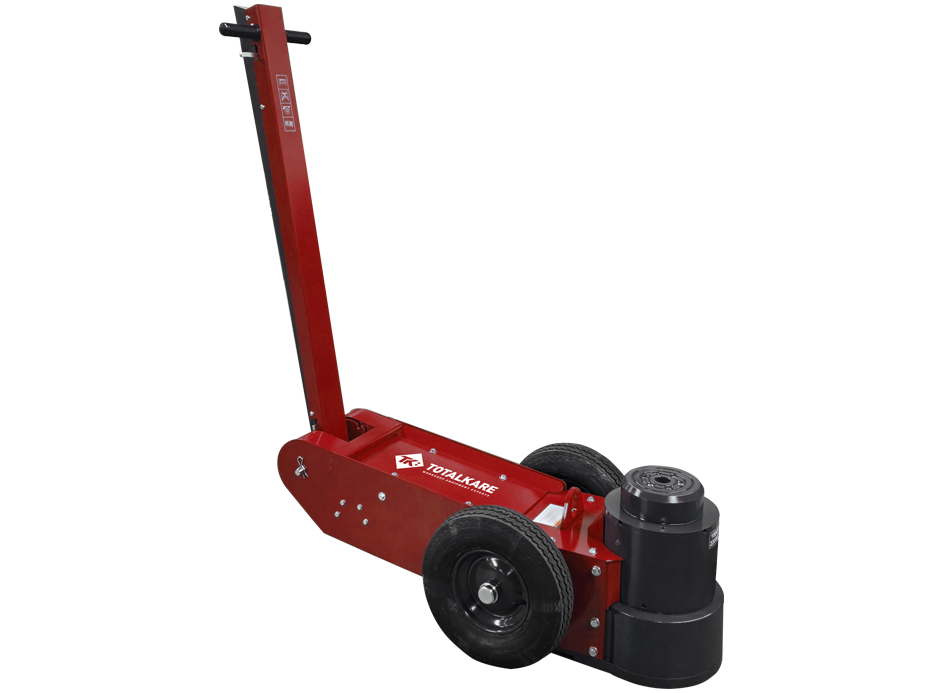
Trolley jacks for commercial workshops: What should you look for?
Trolley jacks for commercial workshops: What should you look for?

Heavy duty resin flooring: What happens during the installation?
Leasing equipment vs buying: What’s best for your workshop?
Equipment Financing

Workshop upgrades: what are your equipment financing options?

How to reduce noise levels in your workshop
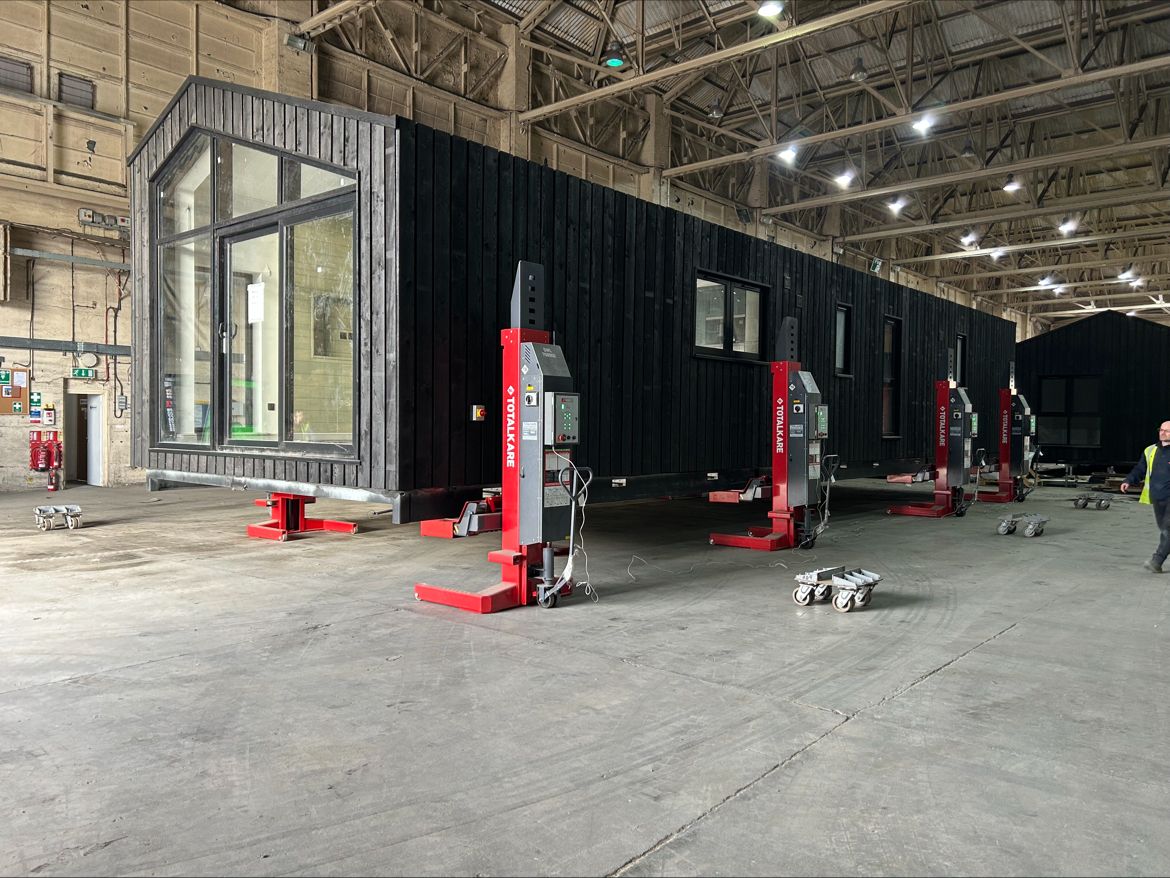
Loading modular buildings for transport? Here’s why a lift does it better
Hydraulic Press

5 uses for a hydraulic press that save your workshop time and money
brake testing

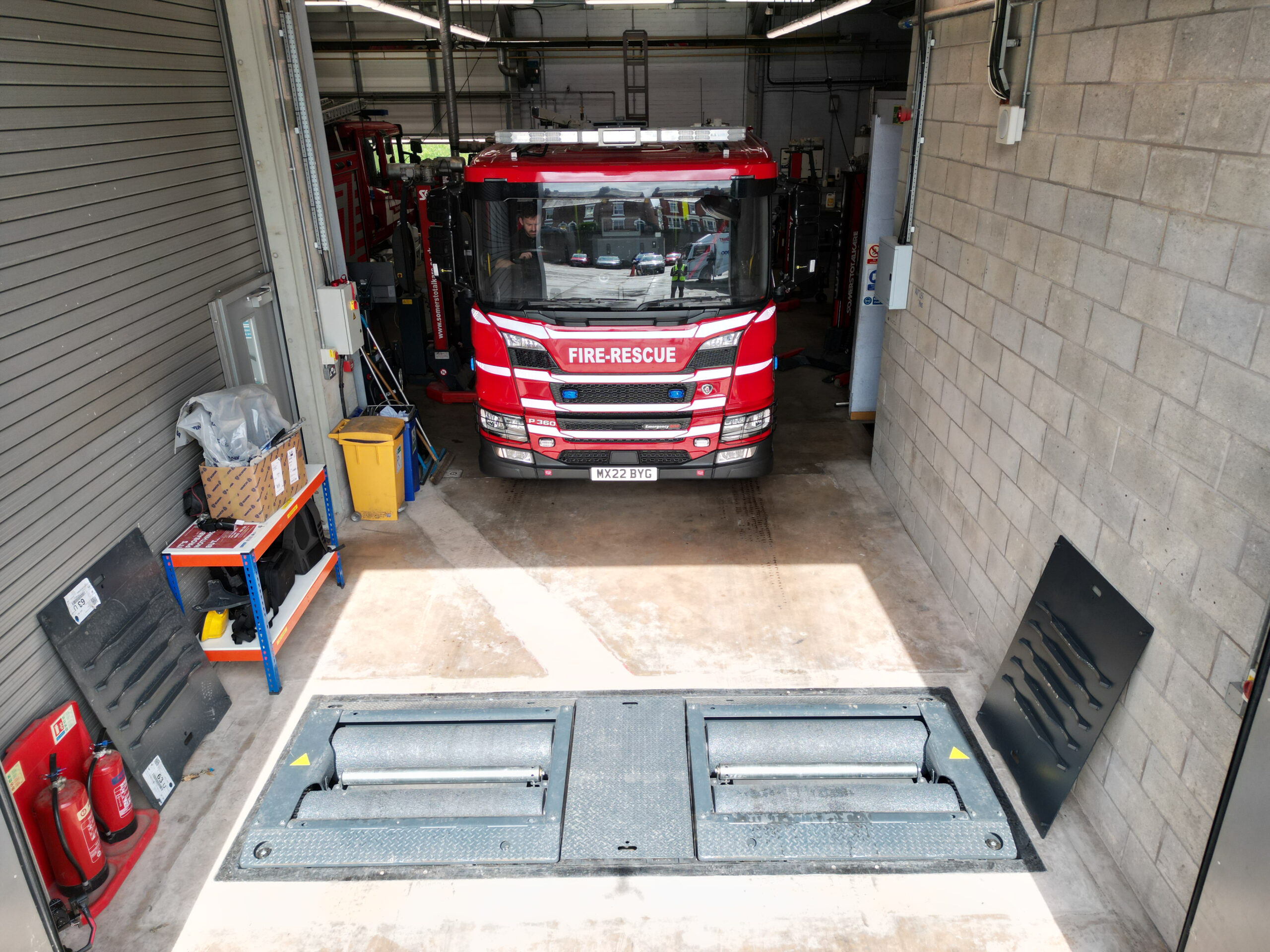
Which type of brake testing equipment do you need for your workshop?
Faster Vehicle Turnaround

Tips for faster vehicle turnaround in your workshop
calibrated equipment

How often should your workshop testing equipment be calibrated?
How to reduce equipment downtime when your workshop equipment fails

How to design a vehicle workshop layout that’s optimised for efficiency
equipment energy efficiency

The modern tech in equipment efficiency that keeps your workshop costs down

Les Searle Group goes for Totalkare pit lane install

How an inspection pit jack makes vehicle maintenance faster and safer
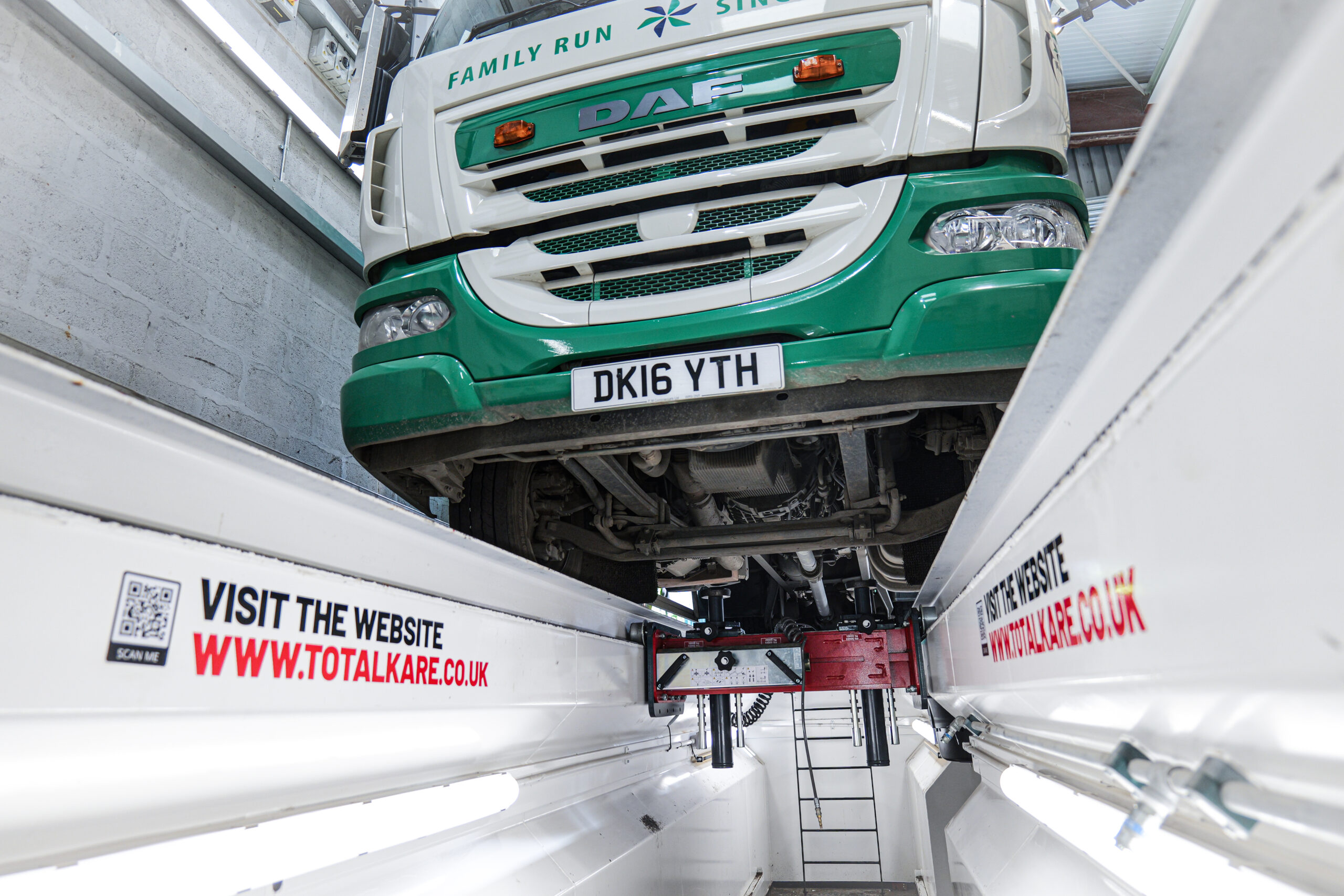
How sustainability is driving change in workshop equipment
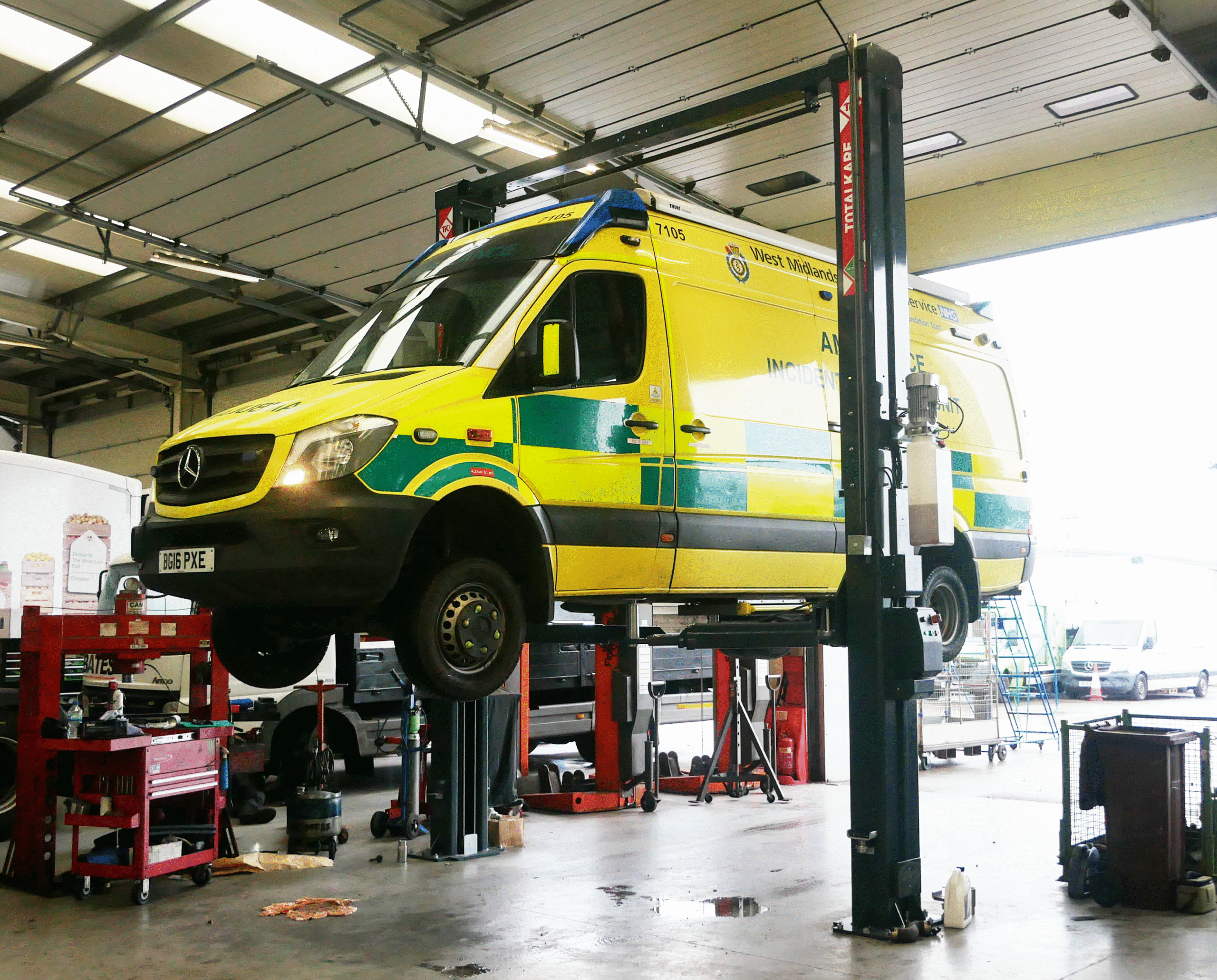
EMERGENCY SERVICE WORKSHOPS – THE IMPORTANCE OF MAINTAINING ‘BLUE LIGHT’ VEHICLE FLEETS IN AUTUMN AND WINTER

Mobile Column Lift

Is a mobile column lift system the best investment for your workshop?
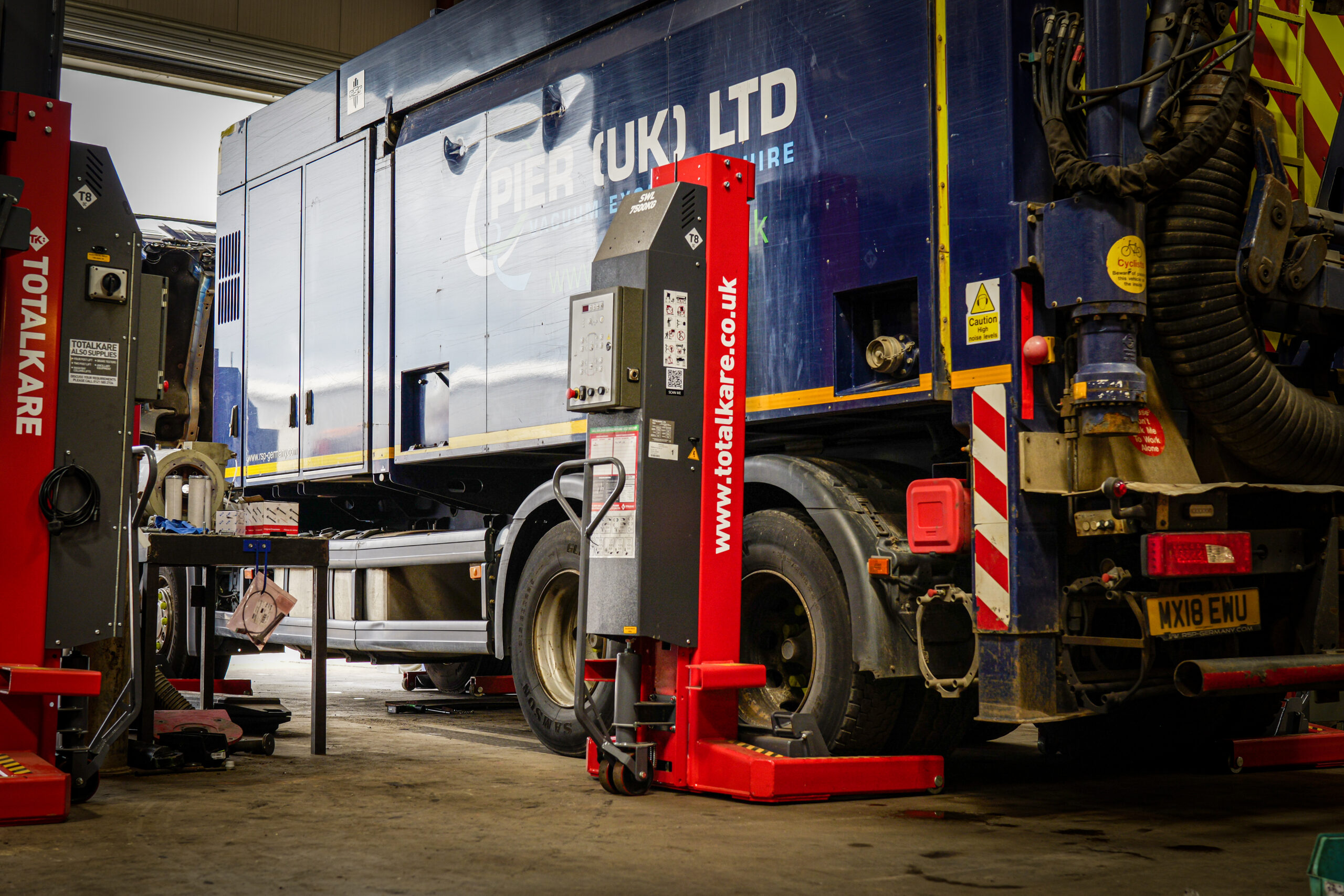
vehicle lift

The everyday practices that help you avoid repairs on your vehicle lifts
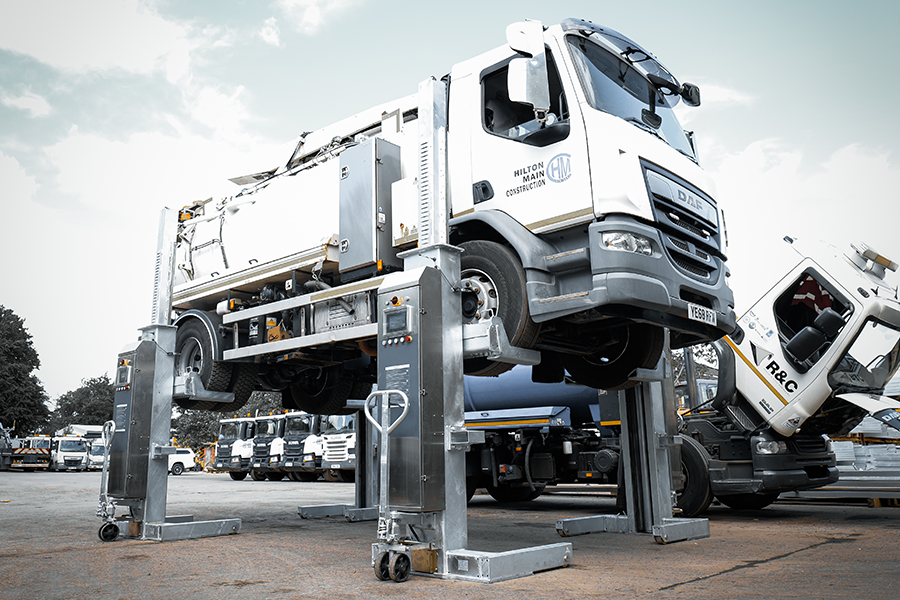
Can you install a vehicle lift outdoors?
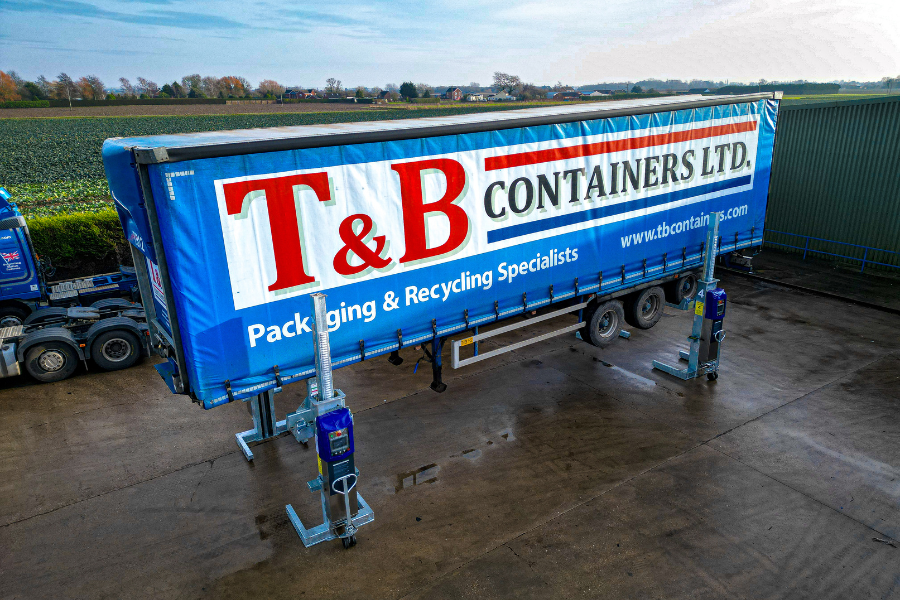
IP Rating: What does it mean for your workshop equipment?
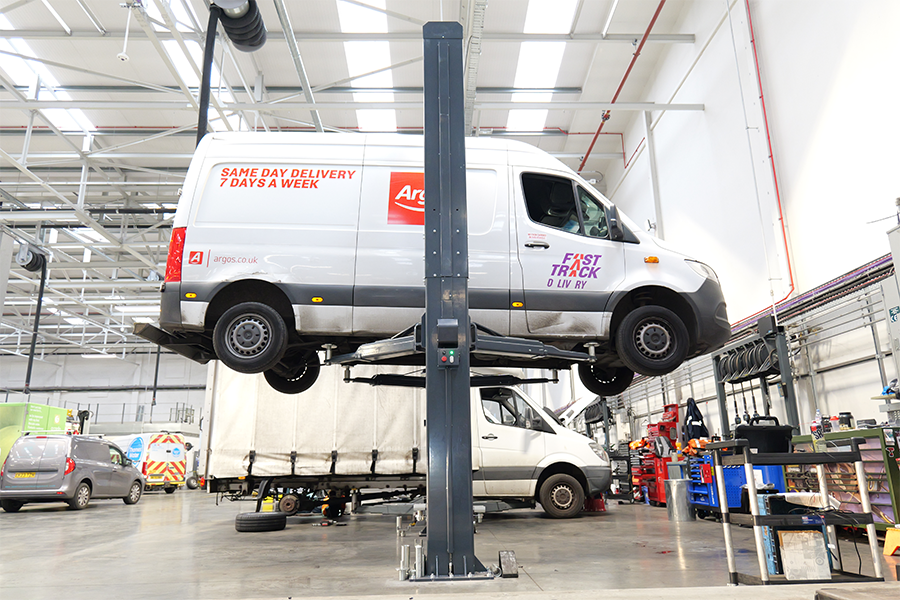
mot bay electric vehicle readiness

Is your MOT bay ready for electric commercial vehicles?

Workshop legislation

Workshop legislation: The 10 health and safety acts you need to know

2-post vs. 4-post lift: Which is right for your workshop?

Class 7 MOT requirements: What equipment do you need?

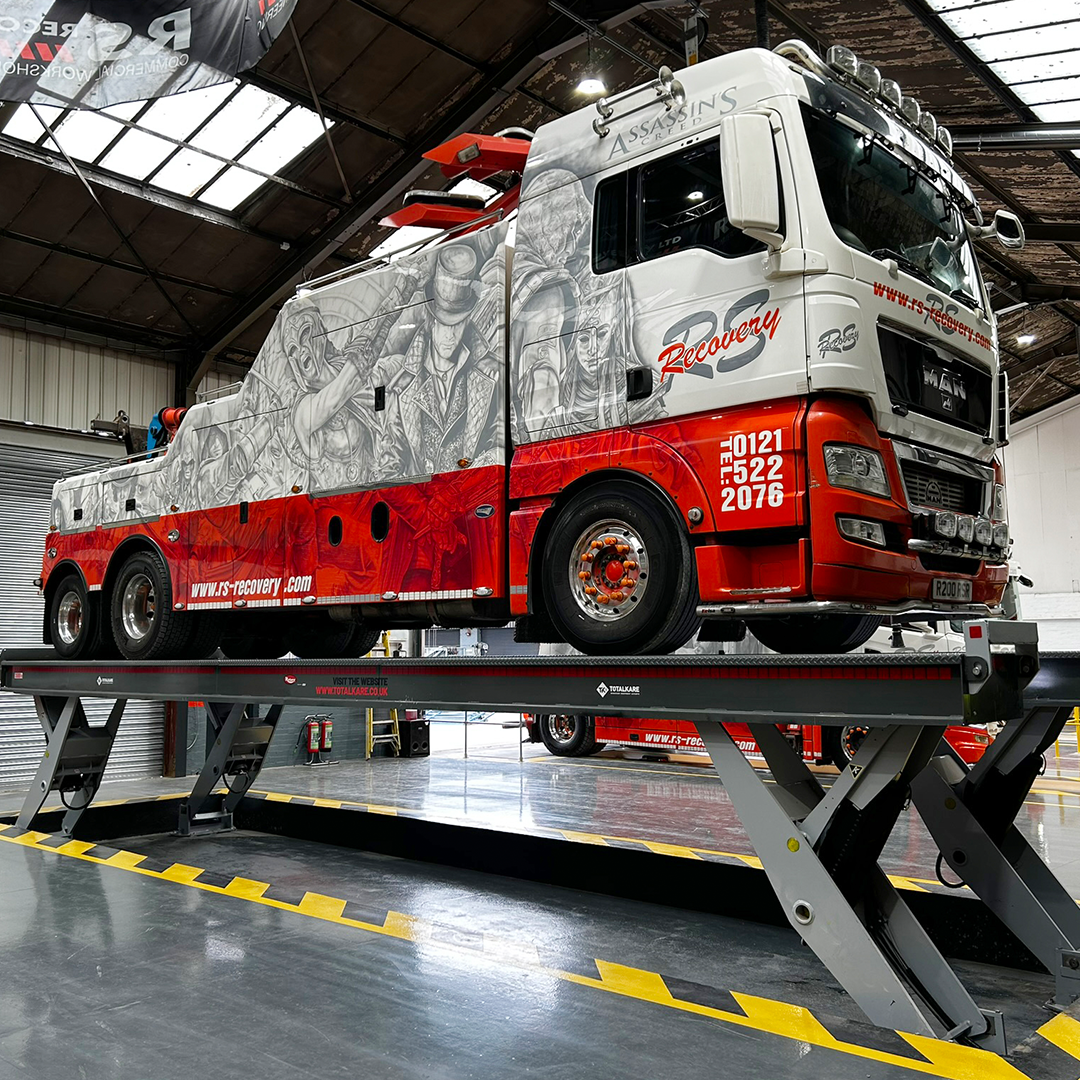
RS Recovery installs Totalkare equipment for workshop refit

5 workshop layout mistakes that are costing you time and money
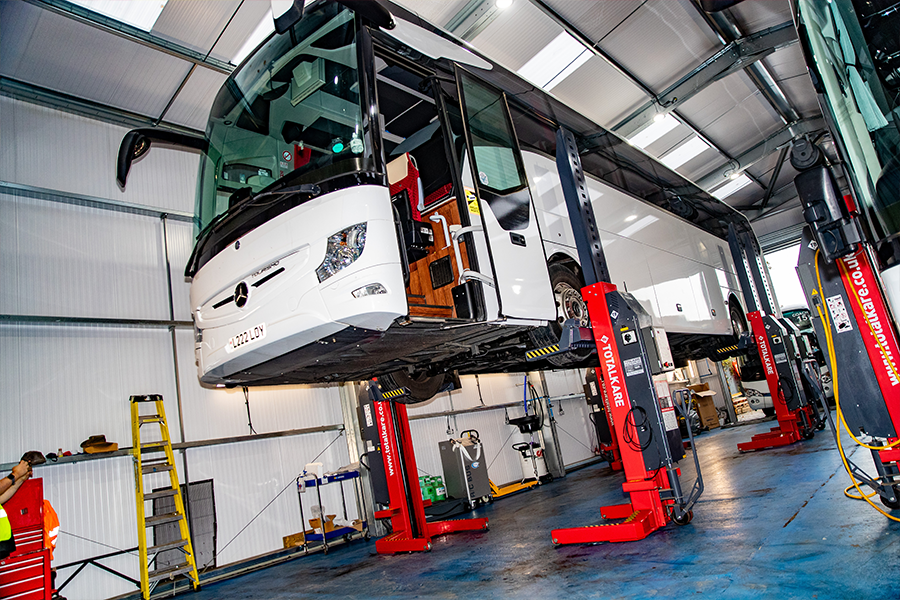
Top 5 compliance failures in workshop equipment testing (and how to avoid them)

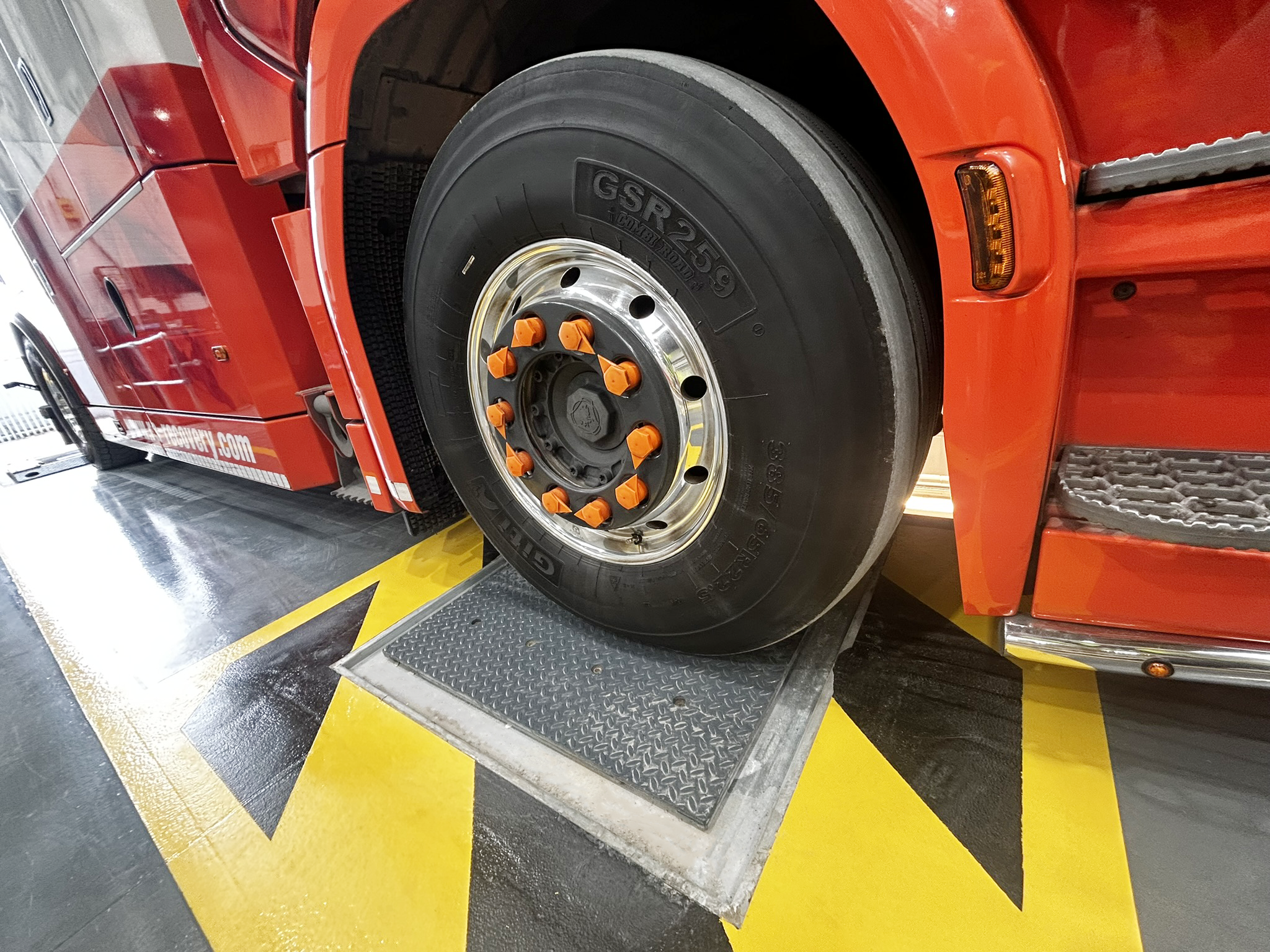
RS Recovery installs Totalkare equipment for workshop refit

5 signs your workshop needs an equipment upgrade

3 safety features to look for in your next hydraulic press

How to start using lean management in your workshop

WORKSHOP FITOUT FOR PRINTWASTE RECYCLING AND SHREDDING

How to prepare your workshop for annual vehicle inspections

3 areas of testing that new vehicles need before their first MOT
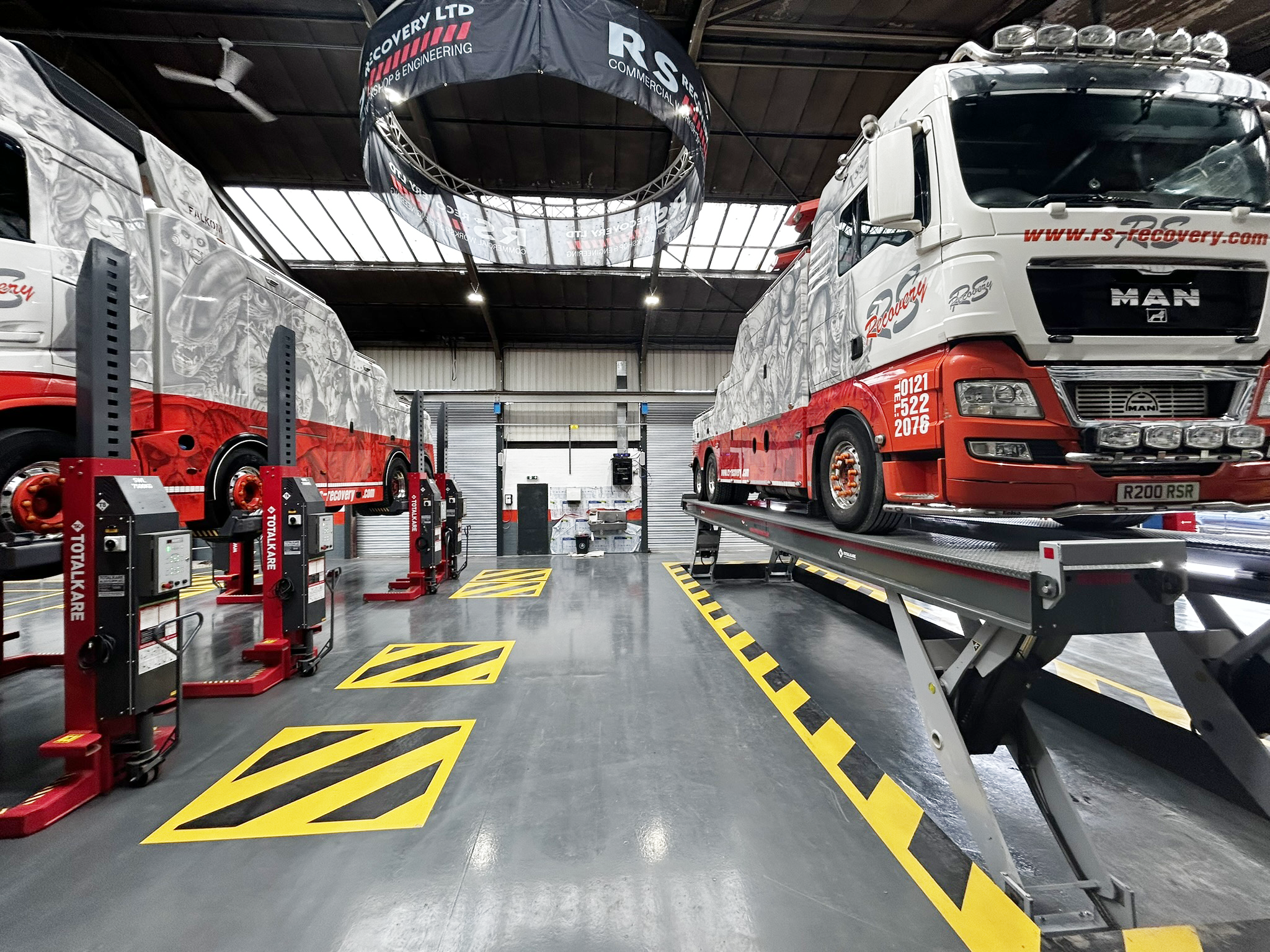
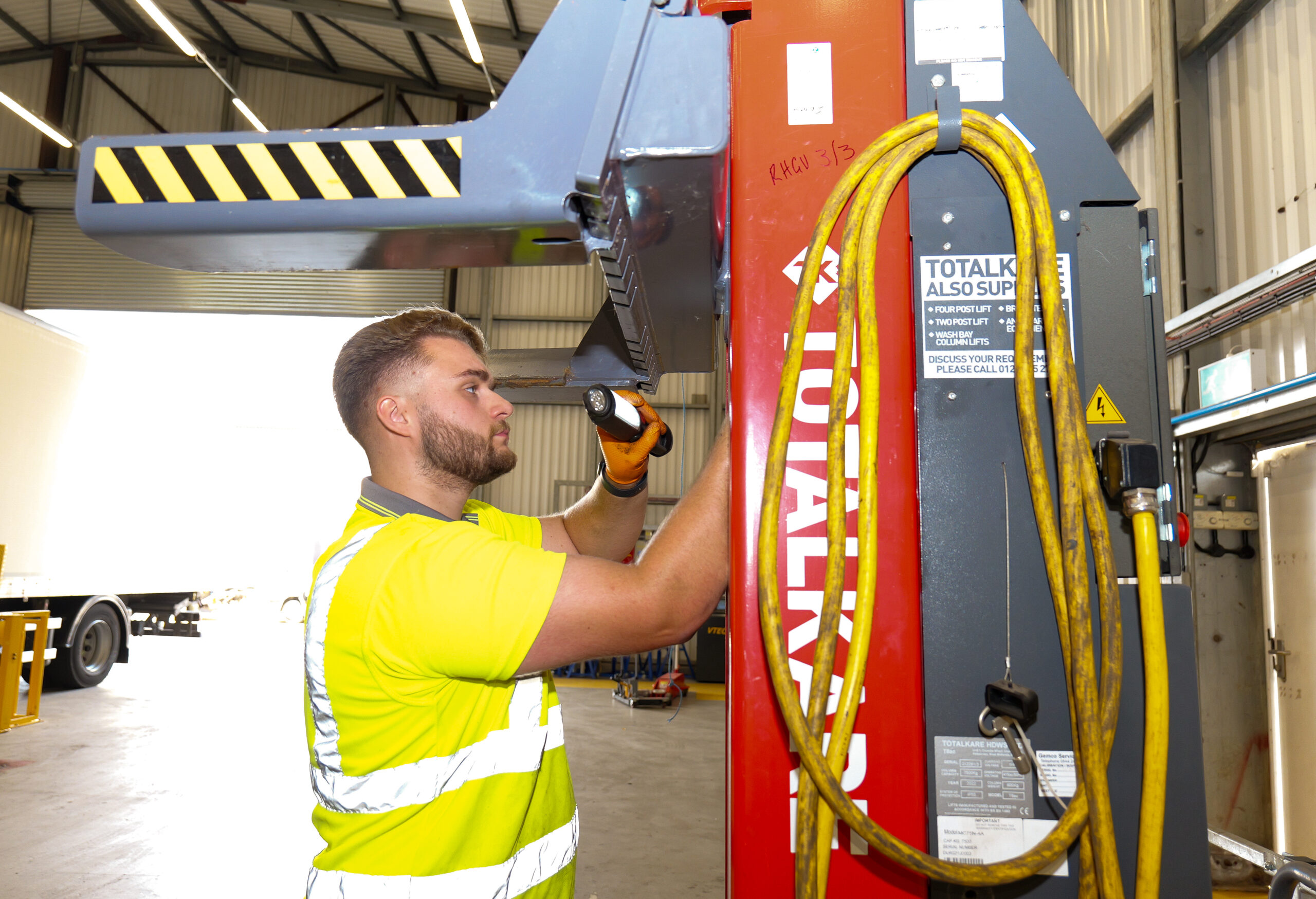
RS Recovery installs Totalkare equipment for workshop refit

5 questions to ask before you install resin workshop flooring

What’s the difference between in-ground and surface-mounted lifts?

Totalkare Returns to Stoneleigh Park for Road Transport Expo 2025

How DVSA requirements shape the dimensions of your Class 7 MOT bay

The 5 pillars of workshop safety you can’t afford to ignore

Mobile column lifts: the buyer’s guide

Totalkare announces partnership with Hunter Engineering Company for the UK supply of heavy duty wheel alignment equipment

Why wheel alignment matters for the lifespan of your vehicles

HGV axle weights: the UK limits explained
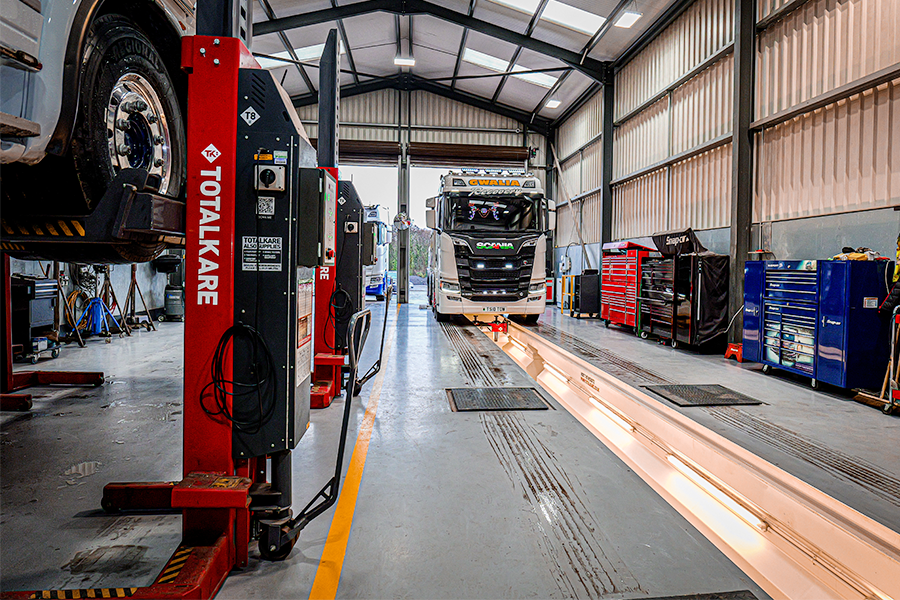
How to manage the costs of building a commercial vehicle workshop

E & JW Glendinning Enhances Workshop Efficiency with Totalkare Two Post Lift
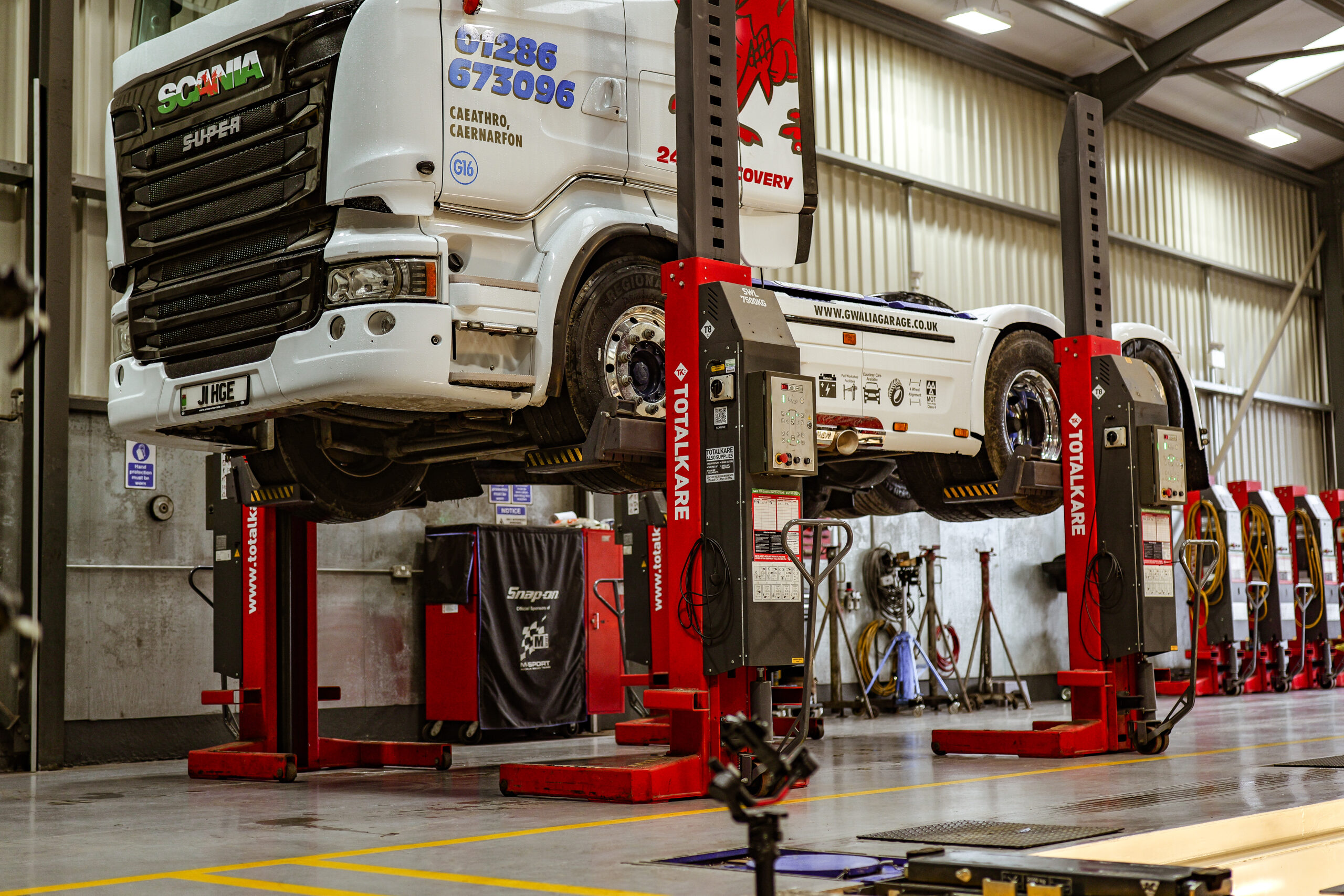
How to safely lift unusually shaped vehicles

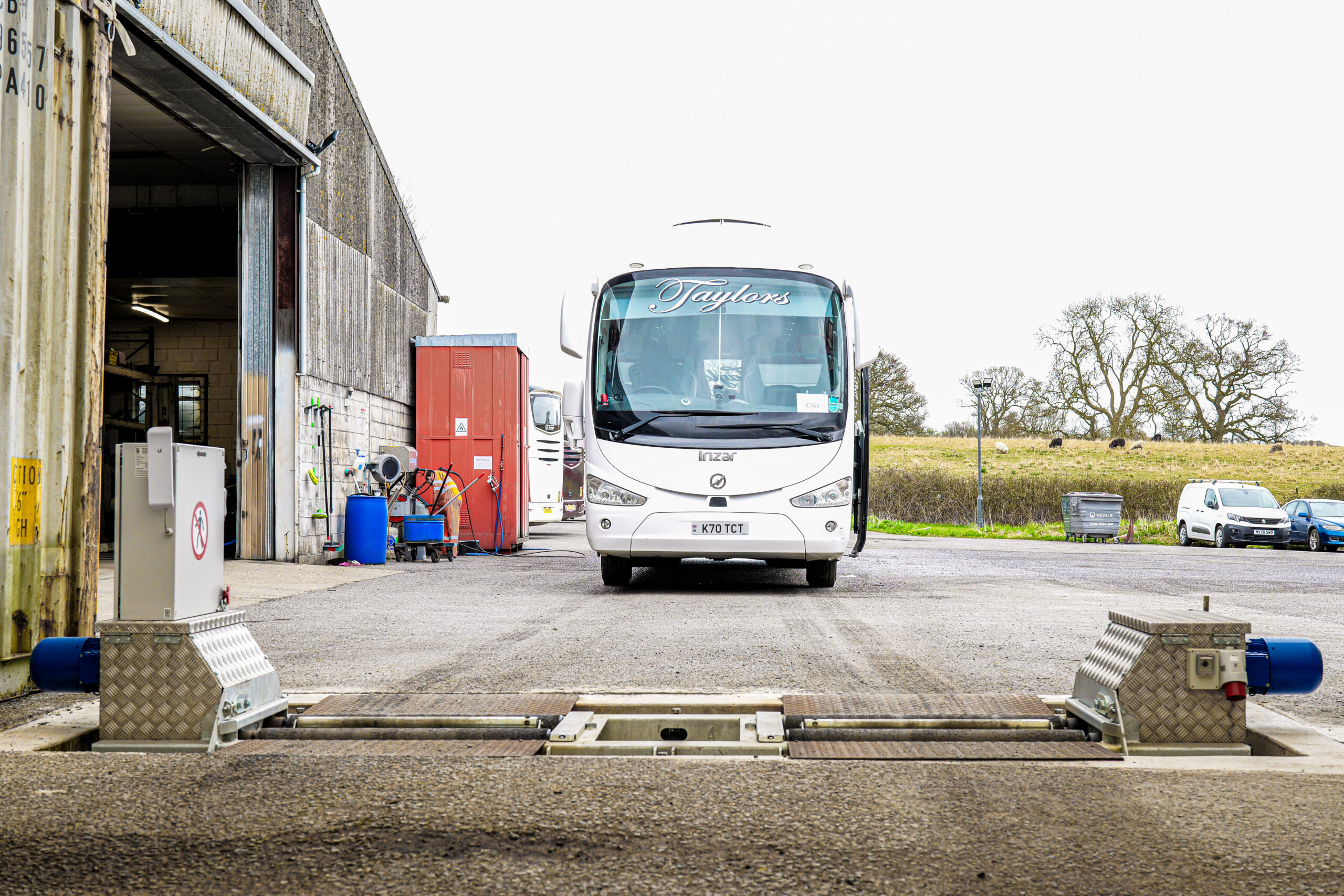
TAYLORS COACH TRAVEL EXPANDS WORKSHOP CAPABILITIES WITH MOBILE BRAKE TESTER

Which brake testing system is right for your workshop?

RS Recovery installs Totalkare equipment for workshop refit

The risks of neglecting equipment maintenance

How to handle emergency repairs on testing equipment

Why modular construction companies are swapping cranes for mobile column lifts

Pier UK Enhances Fleet Maintenance with Totalkare Equipment

Seasonal maintenance tips for your workshop equipment

Valentine Travel Solutions Upgrades Fleet Maintenance Solutions

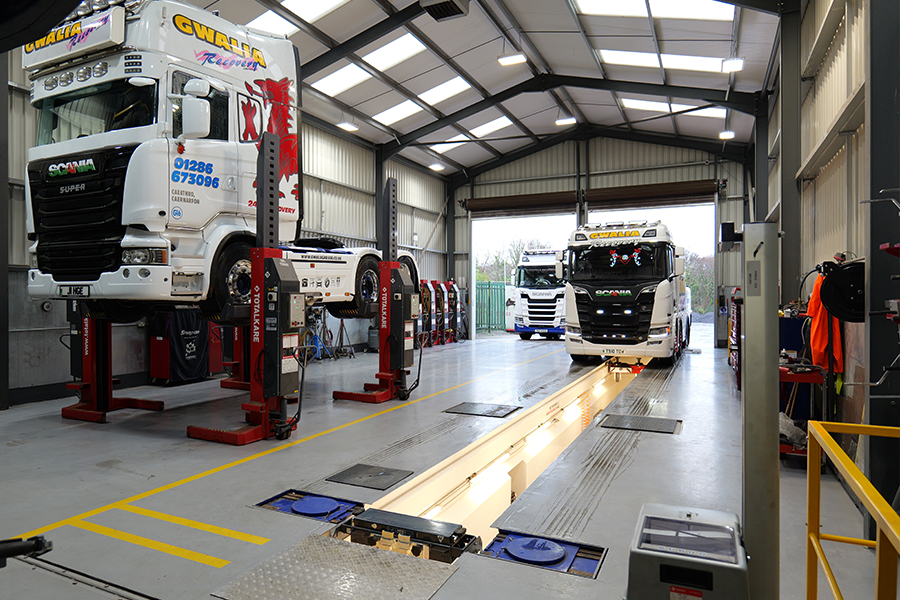
Vehicle Inspection Pit with HGV on the pit

Does your workshop need a dedicated inspection pit?

RS Recovery installs Totalkare equipment for workshop refit

How to prepare your workshop for high-volume seasons

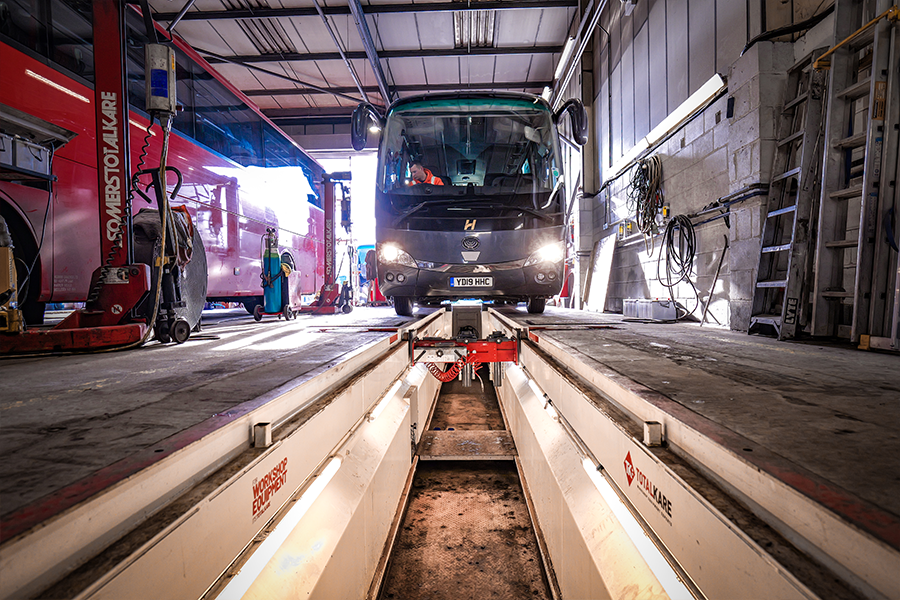
Gwalia Recovery Expands Capabilities with New Vehicle Inspection Pit from Totalkare
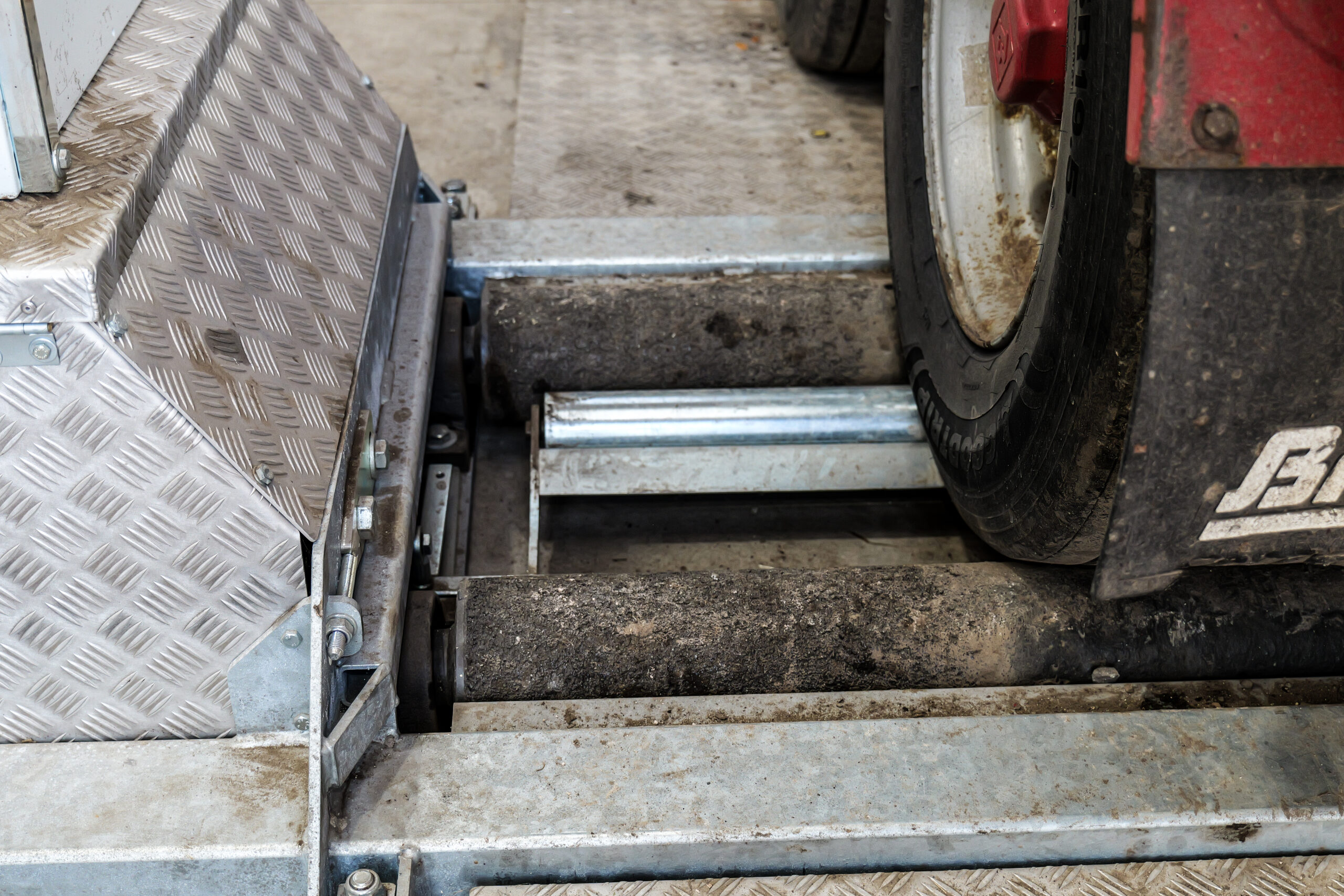
Why upgrading your testing equipment could be more eco-friendly than you think

Brake testing: How to choose the right load simulation system
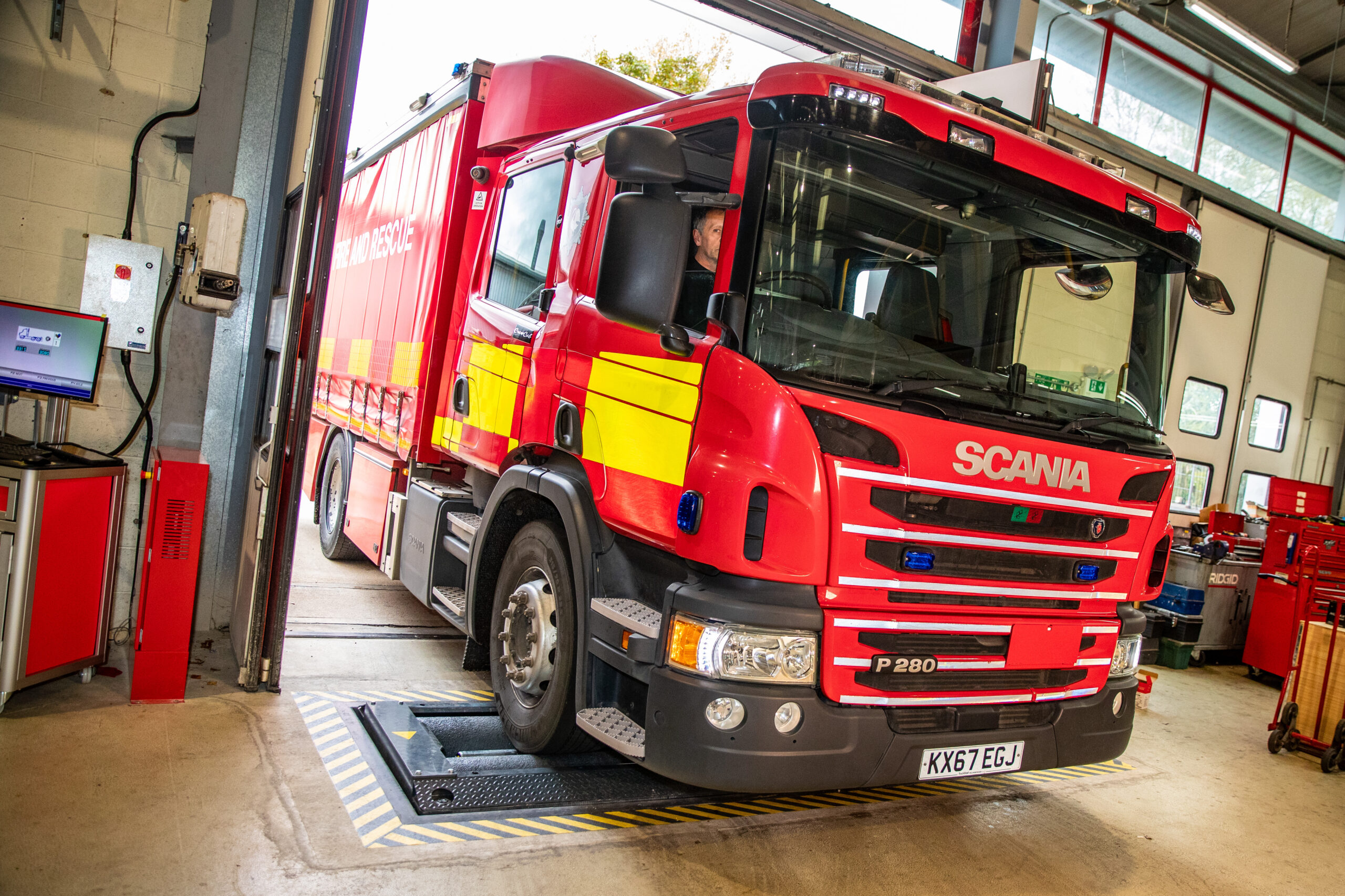
Fire engine on an in-ground brake tester

The essential workshop equipment for emergency vehicle fleets
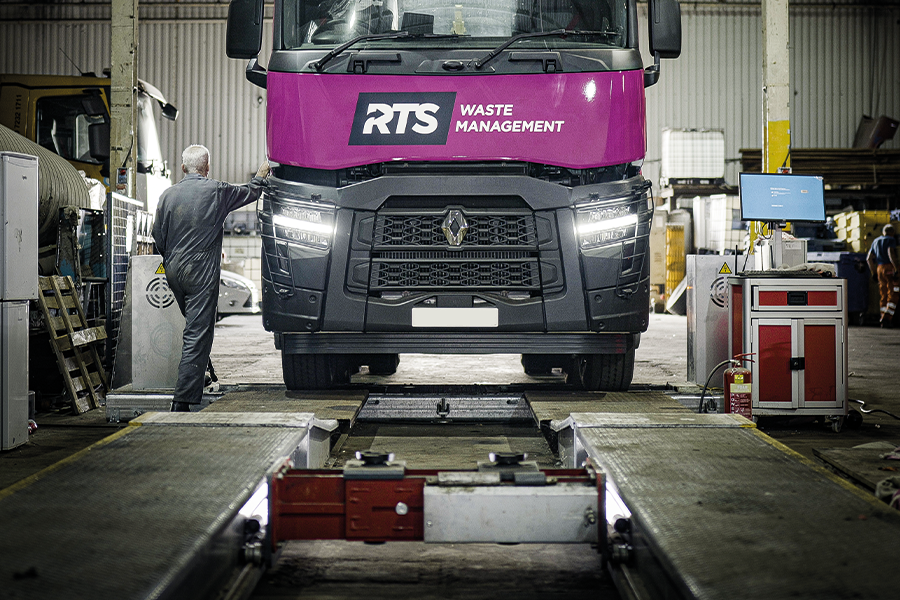
RTS WASTE MANAGEMENT UPGRADES WORKSHOP WITH TOTALKARE EQUIPMENT
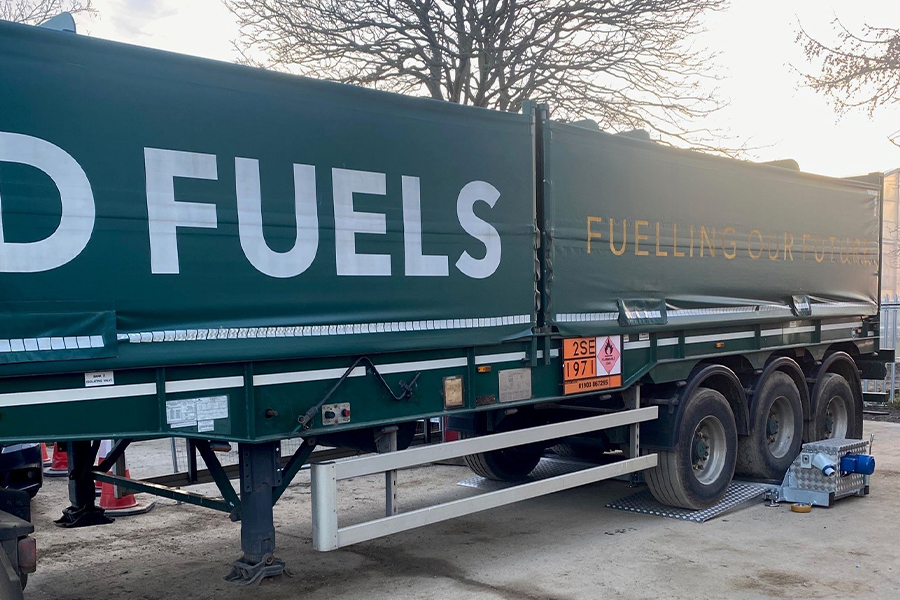
ADR vehicle on brake tester

How to safely inspect petrol transport vehicles

Lean management

The best heavy duty flooring for vehicle lifting areas

Les Searle Group goes for Totalkare pit lane install

Les Searle Group goes for Totalkare pit lane install

Headlamp tester in action

How does a headlight tester work?

Smoke Meter being used on a recovery truck

The future of emissions testing in commercial vehicle workshops

in house emissions testing

What Euro 7 means for the commercial transport industry

Dennis Eagle 2

How to train new technicians on your workshop testing equipment

RS Recovery installs Totalkare equipment for workshop refit

/

HOW TO CHOOSE THE RIGHT LIFT FOR DIFFERENT VEHICLE SIZES

Calculations being made on calculator

How to properly budget for the equipment you buy
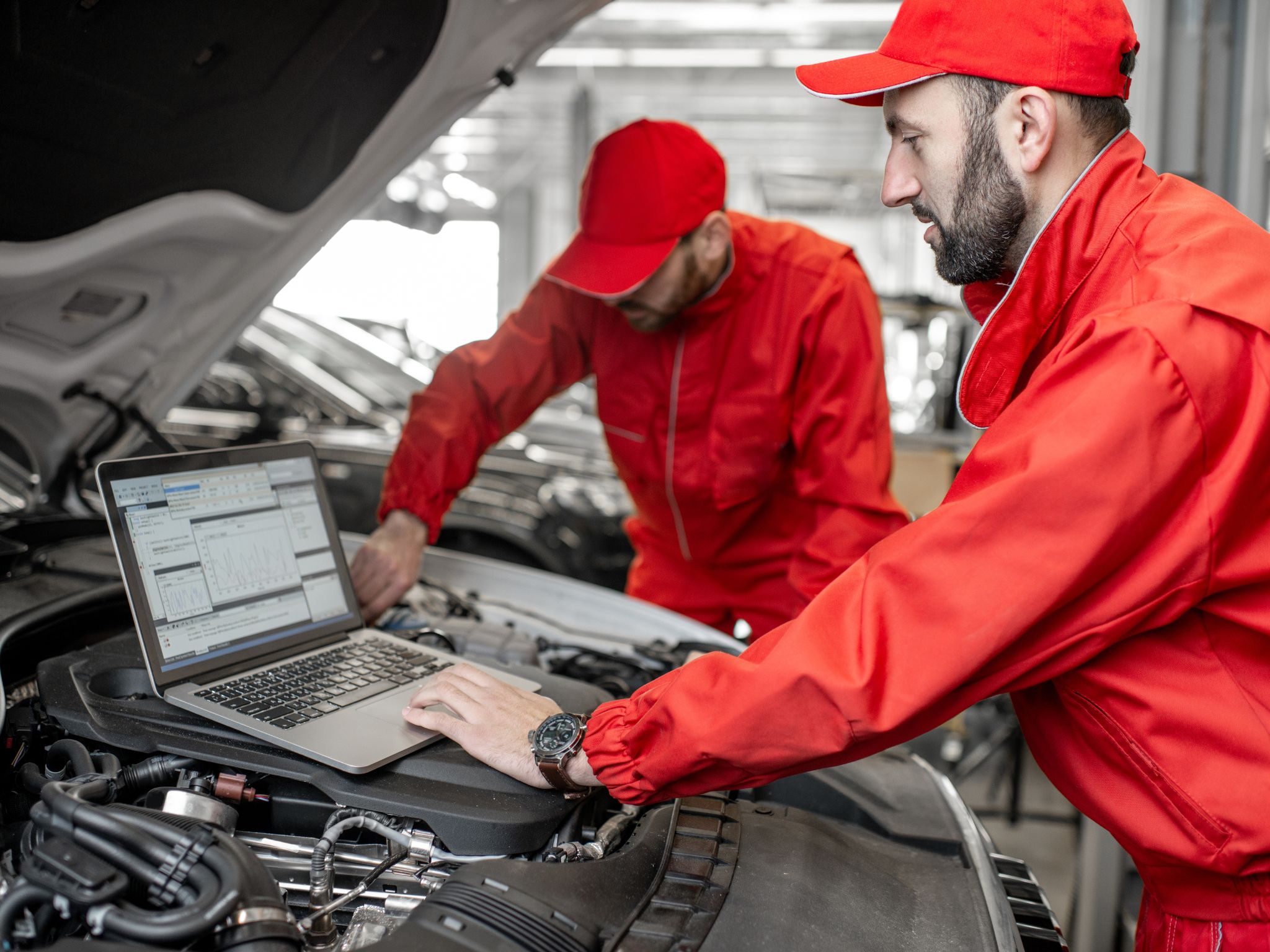
MOT test centre using computer whilst working on a vehicle

The new tech that’s shaping the future of vehicle testing
For workshop equipment it's totalkare decal in a pit

How upgrading your equipment boosts employee satisfaction

Man checking checklist for handling corrosive materials in a commercial vehicle workshop

How to handle corrosive materials in a vehicle workshop

Man working in the confined space of a vehicle pit

How to keep your teams safe when working in confined spaces

Online training shown on a tabley

Why smart workshops are skipping the classroom and taking their training online

How Mobile Column Lifts Solve a Modular Building Problem

Agri brake tester used in agri workshop

How agricultural workshops are changing — and what you should expect

/ / /

How Does Wheel Alignment Work?

Load simulation brake testing


The beginner’s guide to load simulation brake testing

Vehicle Inspection Pit with HGV on the pit


Brick vs prefab inspection pit: Which is best for your workshop?


Totalkare renews partnership with BTRC for 2024

G8AC in use

Does Your Workshop Need a Vehicle Wash Bay?

totalkare-office

/

How to Get More Efficiency from Your Workshop Air Compressors

/ / / / /

Workshop equipment finance options explained

Totalkare trailer beam

/

How to Lift a Trailer with a Mobile Column Lift

/

Why Every Workshop Needs a Hydraulic Press

/ / / /

Jacks and Jacking Beams: What Are Your Options?

/ / /

How an In-House Class 7 MOT Bay Saves You Money

Nicholsons takes agricultural brake tester from Totalkare

/ /

How Agricultural Brake Testers Help You Save Money and Stay Safe

/ /

The Workshop Equipment That Prevents Road Accidents

/

Vehicle Diagnostic Equipment: Your FAQs Answered

/ / /

How Does Load Simulation Brake Testing Work?

/ / / / /

Mobile Columns or Fixed Lifts? Here’s What You Need to Know

service pod


The Workshop Equipment You Might Have Missed

Wheel on brake tester

/ / /

5 Questions You Need to Ask Before Bringing Your Brake Testing In-House

Dennis Eagle uses Totalkare mobile column lifts

/ / /

How Many Mobile Column Lifts Do You Need?

/ / /

How Mobile Equipment Gives Your Workshop More Capacity

Request
Quote