Three Pieces of Workshop Equipment That Directly Reduce Road Accidents
Road safety conversations tend to focus on driver behaviour. Speed, distraction, fatigue. Those factors matter, but they are not the full picture.
The Department for Transport data on vehicle-related accidents points to something workshops and fleet operators can actually control: the condition of the vehicles leaving your bay. The right workshop equipment does not just keep you compliant, it keeps your drivers and everyone they share the road with safer.
Three categories of kit have the clearest link to accident prevention. This is what the evidence shows for each one.
Brake Testers
Defective brakes are the leading cause of road accidents in cases where the vehicle was a contributing factor, according to Department for Transport figures. That makes accurate, regular brake testing one of the most consequential things a fleet or commercial workshop can do.
The DVSA changed the rules around brake testing for annual inspections in 2023. Vehicles now need to pass their tests at the correct laden weight, which means brake testers with load simulation have moved from a useful feature to a requirement. The DVSA guidance on brake testing for annual tests sets out exactly what examiners expect to see.
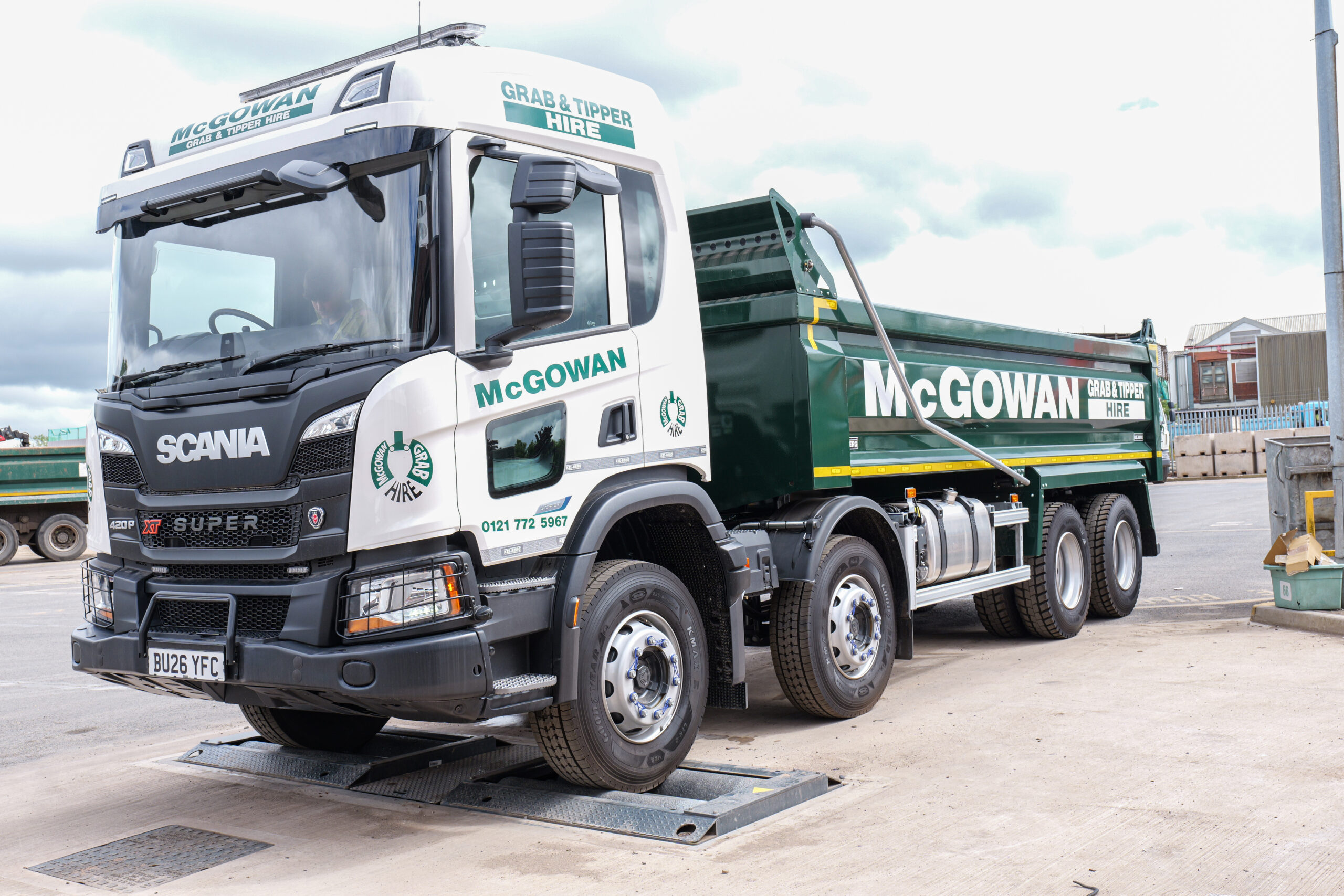
For workshops that test a range of vehicle types, the Totalkare In-Ground Brake Tester supports three load simulation methods: Chassis, Dynamic, and Hydraulic. Choosing the right method for your vehicles gives you results that reflect real-world performance, not a lighter, unrepresentative test. That matters both for compliance and for catching genuine brake issues before a vehicle goes back on the road.
Good workshop equipment in this category also reduces reliance on outsourced testing. Workshops that bring brake testing in-house can test more vehicles more often, rather than scheduling around third-party availability.
Headlamp Testers
Over four million road users drive with defective headlamps. A separate survey found that 12% of road users admitted to driving with broken or damaged lights. Fleets and commercial operators tend to maintain higher standards than that, but the scale of the problem shows how easy it is for headlamp faults to go unnoticed.
The MOT data underlines the point. For Class 7 vehicles, 24% of failures relate to lamps, reflectors, and electrical equipment, making it one of the most common reasons a vehicle does not pass its annual test.
A dedicated headlamp tester in your workshop means your technicians can check alignment and output as part of a routine inspection, rather than waiting for a fault to show up on the road or at the test centre. Adjusted incorrectly, headlamps either dazzle oncoming drivers or fail to light the road adequately. Both situations increase accident risk. Both are avoidable with the right workshop equipment.
Bringing headlamp testing in-house also removes the cost of outsourcing checks that take a matter of minutes to carry out properly.
Wheel Alignment Systems
Poor wheel alignment affects fuel consumption, tyre wear, and vehicle handling. The handling issue carries the most serious safety implications. A vehicle pulling to one side creates constant correction work for the driver, and sustained correction over a long journey contributes to driver fatigue.
Driver fatigue is a factor in up to 20% of all vehicle crashes. Fleets running long-haul routes are particularly exposed. A vehicle drifting due to misalignment compounds the fatigue risk on every trip it makes.
Workshops investing in wheel alignment workshop equipment can check vehicles quickly and catch alignment issues before they become a safety problem. The Totalkare Quick-Check Wheel Alignment System uses laser measurement to assess both alignment and tyre tread in a single unmanned drive-through test. Technicians get an instant result on two safety-critical checks without taking a vehicle off the bay for a manual inspection.
For fleet operators, that speed matters. A pre-departure check on alignment is practical with a system that takes minutes rather than a process that requires scheduling. Vehicles with known alignment issues can be corrected before a long run rather than after.
The Common Thread
Brake testing, headlamp testing, and wheel alignment all share the same logic: catching a fault before it becomes an incident costs far less than dealing with the consequences after one. The right workshop equipment in each category gives your team a reliable, repeatable process for doing that.
There is a compliance argument for all three. The DVSA requirements around brake testing alone make investment in that area straightforward to justify. The safety argument is stronger still.