
Emergency Services & Local Authority
Workshop Equipment
Emergency and municipal fleets support critical services every day, from response vehicles to operational transport.
Workshops must ensure vehicles remain safe, compliant and consistently available for frontline use.
What Public Sector Fleet Workshops
Actually Need
Unlike commercial operators, emergency services and council fleets operate under defined inspection policies, duty-of-care obligations and internal safety procedures. Equipment must support verifiable inspections, safe working practices and dependable maintenance processes.
- Consistent safety checks: reliable inspection processes across multiple vehicle types
- Duty-of-care compliance: equipment supporting safe maintenance procedures
- Mixed operational fleets: support cars, vans, specialist transport and heavy duty vehicles
- Clear inspection records: maintenance activities that can be confidently documented
- Safe working environments: stable access and controlled lifting for technicians
- Long-term reliability: dependable equipment suited to daily operational use
- Expert guidance: an involved workshop design process to maximise space and resources
The workshop must support structured maintenance programmes while ensuring frontline vehicles remain available.
Recommended Workshop Equipment
for Emergency & Municipal Fleets
Public sector workshops prioritise safe access and repeatable inspection routines, followed by lifting capability and supporting service equipment.
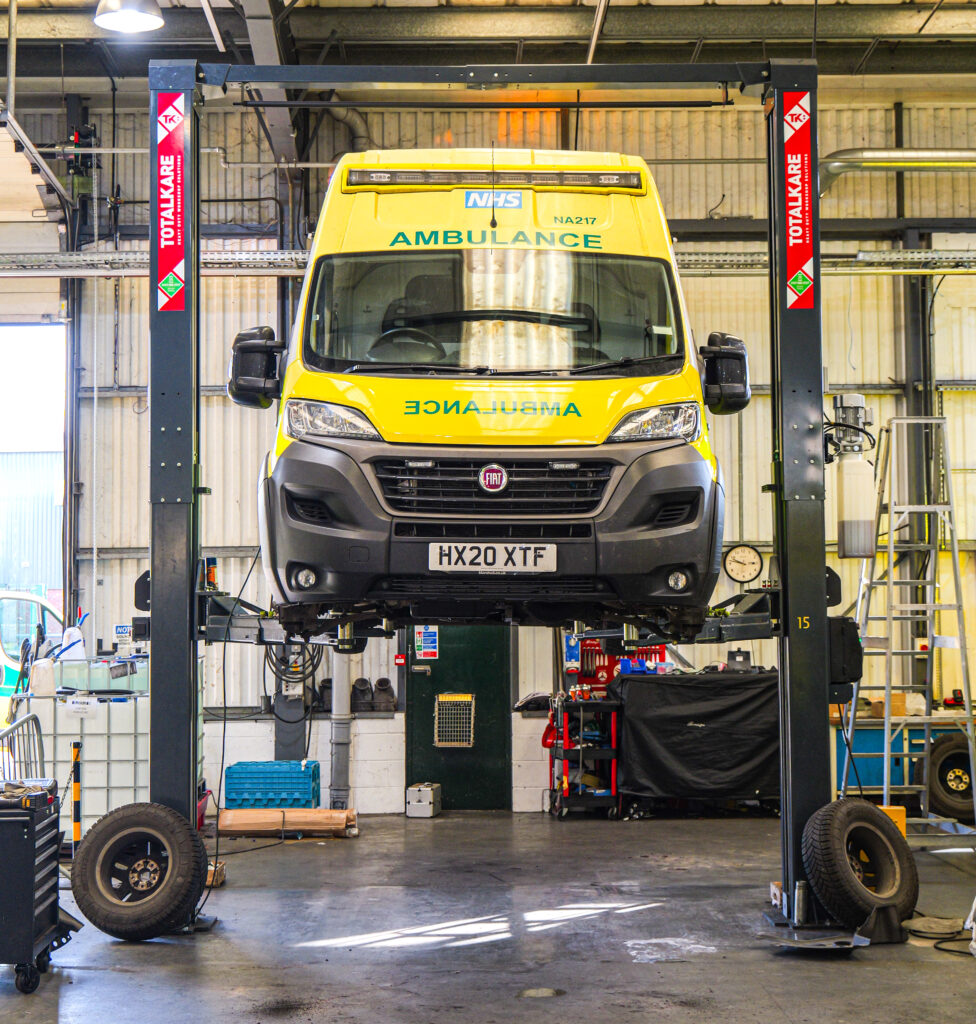
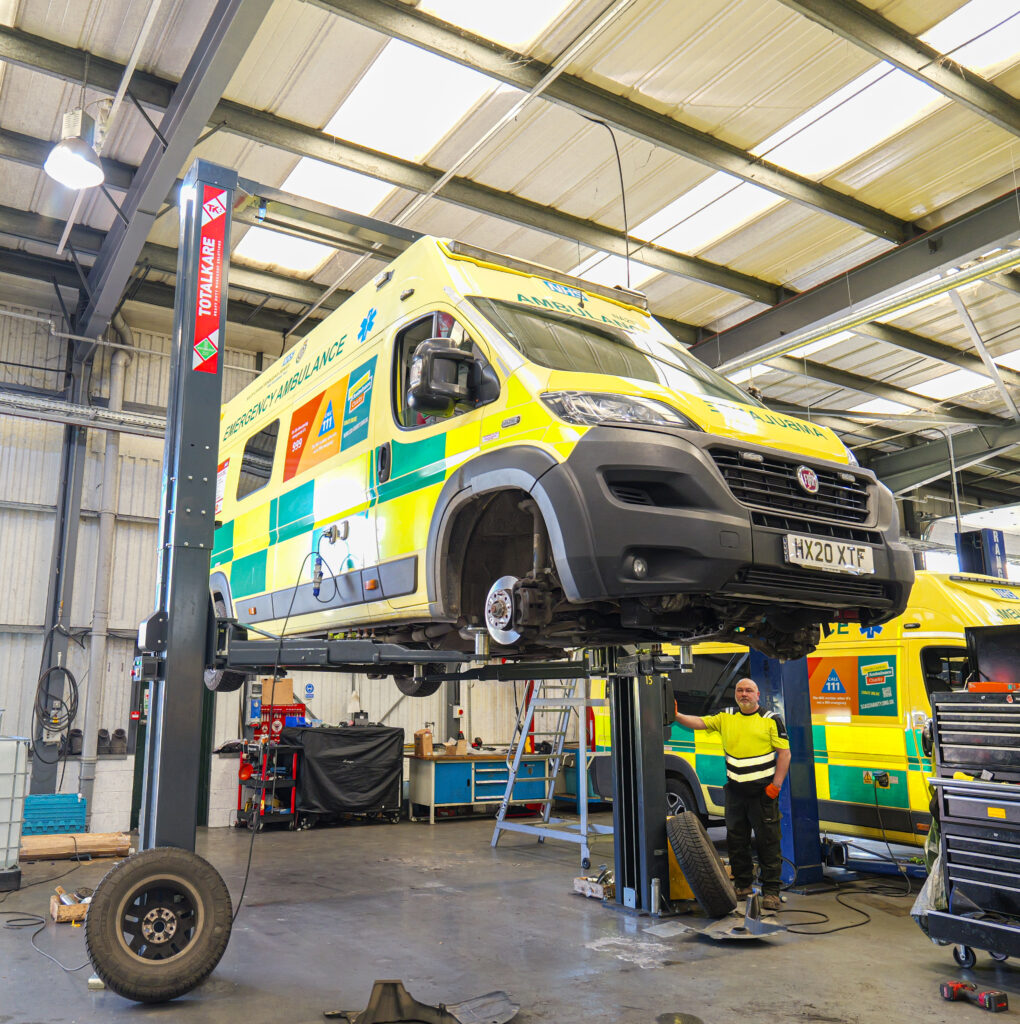
- Two Post Lift – a fast lifting solution suitable for cars and vans used in response and support roles
- Y-MECH Lift – a galvanised scissor lift for heavier municipal vehicles such as fire engines
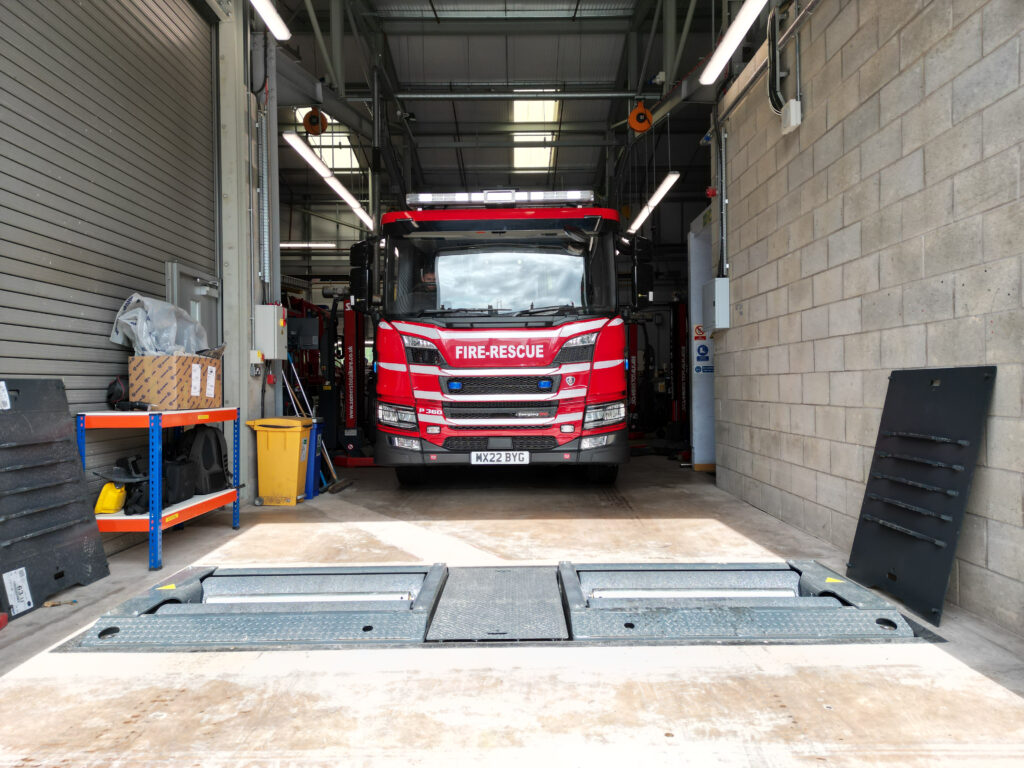
- In-Ground Brake Tester – fixed brake testing installation for higher-volume depot operations
- HLA DL & DLC Headlamp Tester – headlamp alignment testing for fleet safety checks
- Play Detectors – steering and suspension wear detection during scheduled inspections
- TR23 Tyre Changer – manage heavy tyres quickly with minimal risks
- Compressors – compressed air supply for workshop tools and tyre inflation

T8DC Cable Free Column Lift

T8AC Cabled Mobile Column Lifts
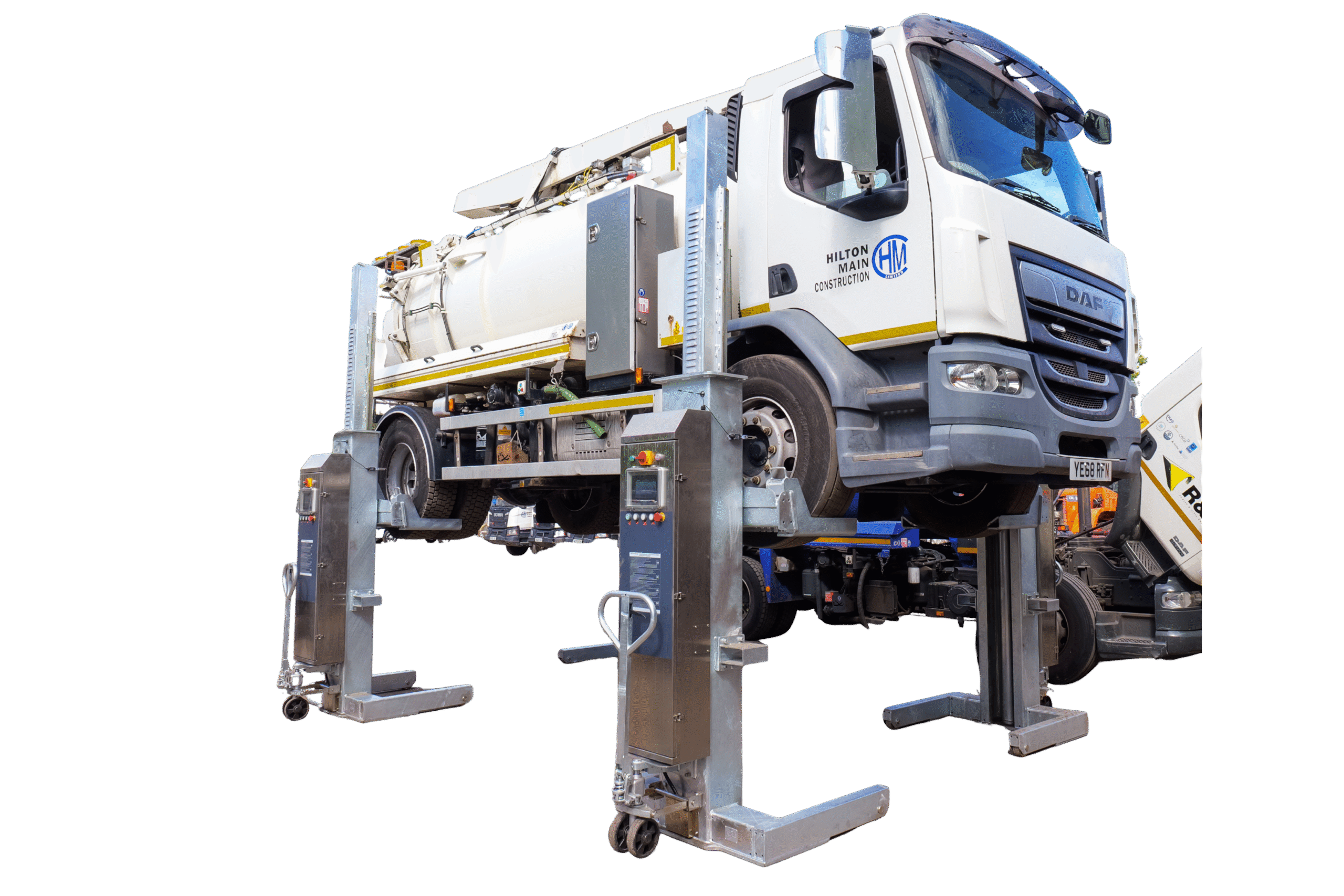
G9DC Washbay Mobile Column Lift

Heavy Duty Four Post Lift
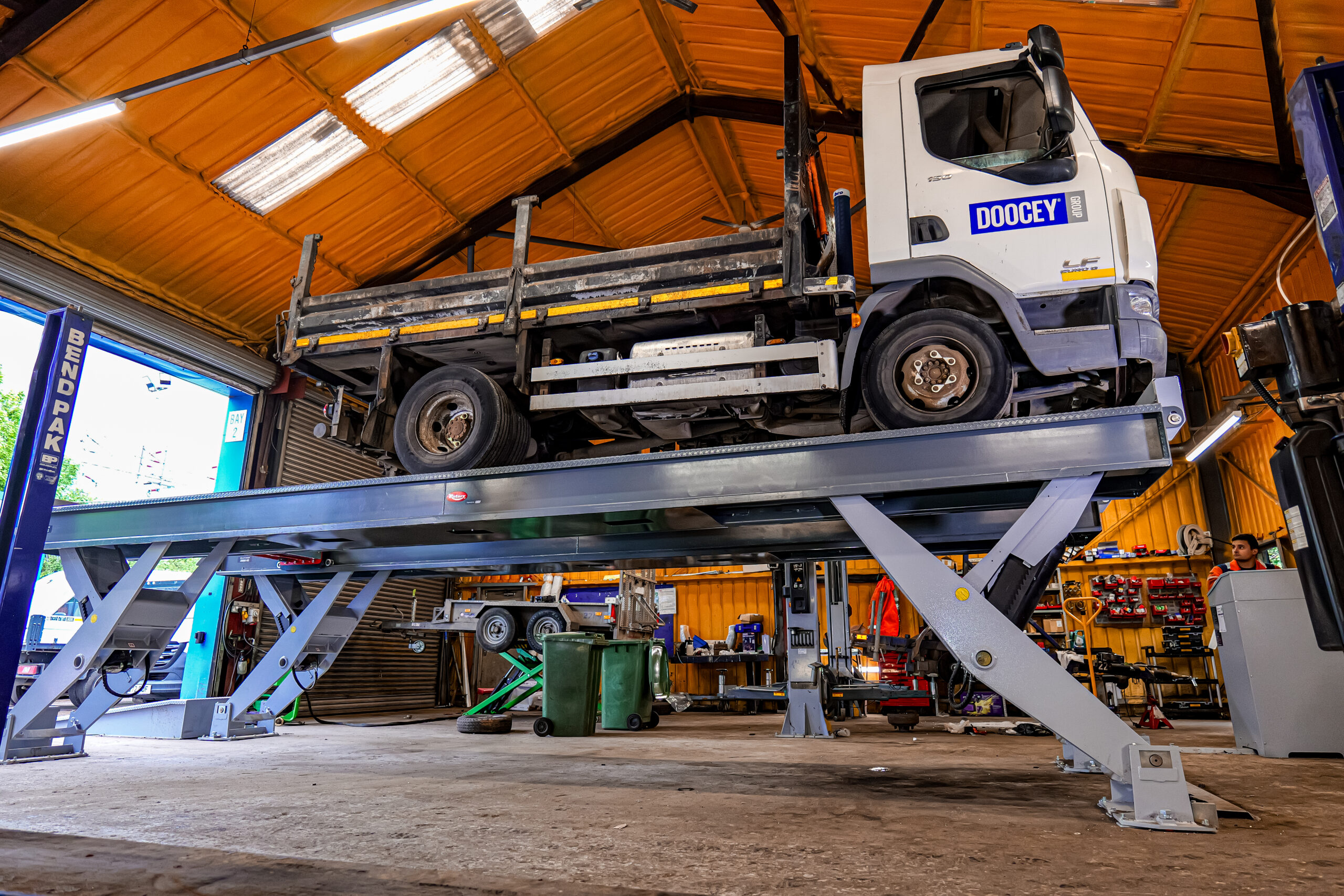
Heavy Duty Y MECH Lift

In-Ground Vehicle Lift

Pre-Owned Mobile Column Lifts
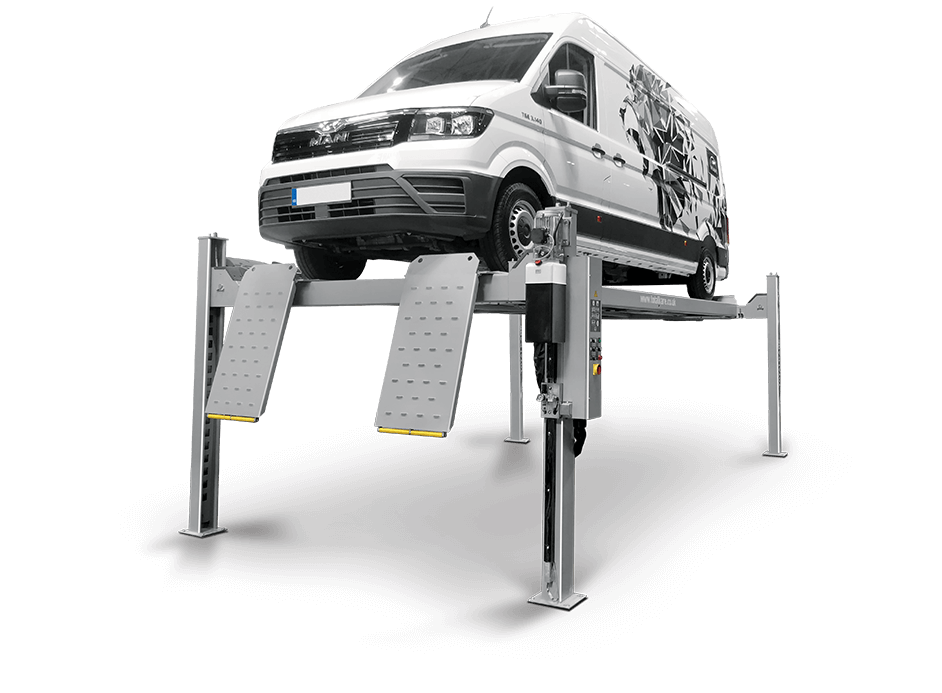
Light Commercial Four Post Lift
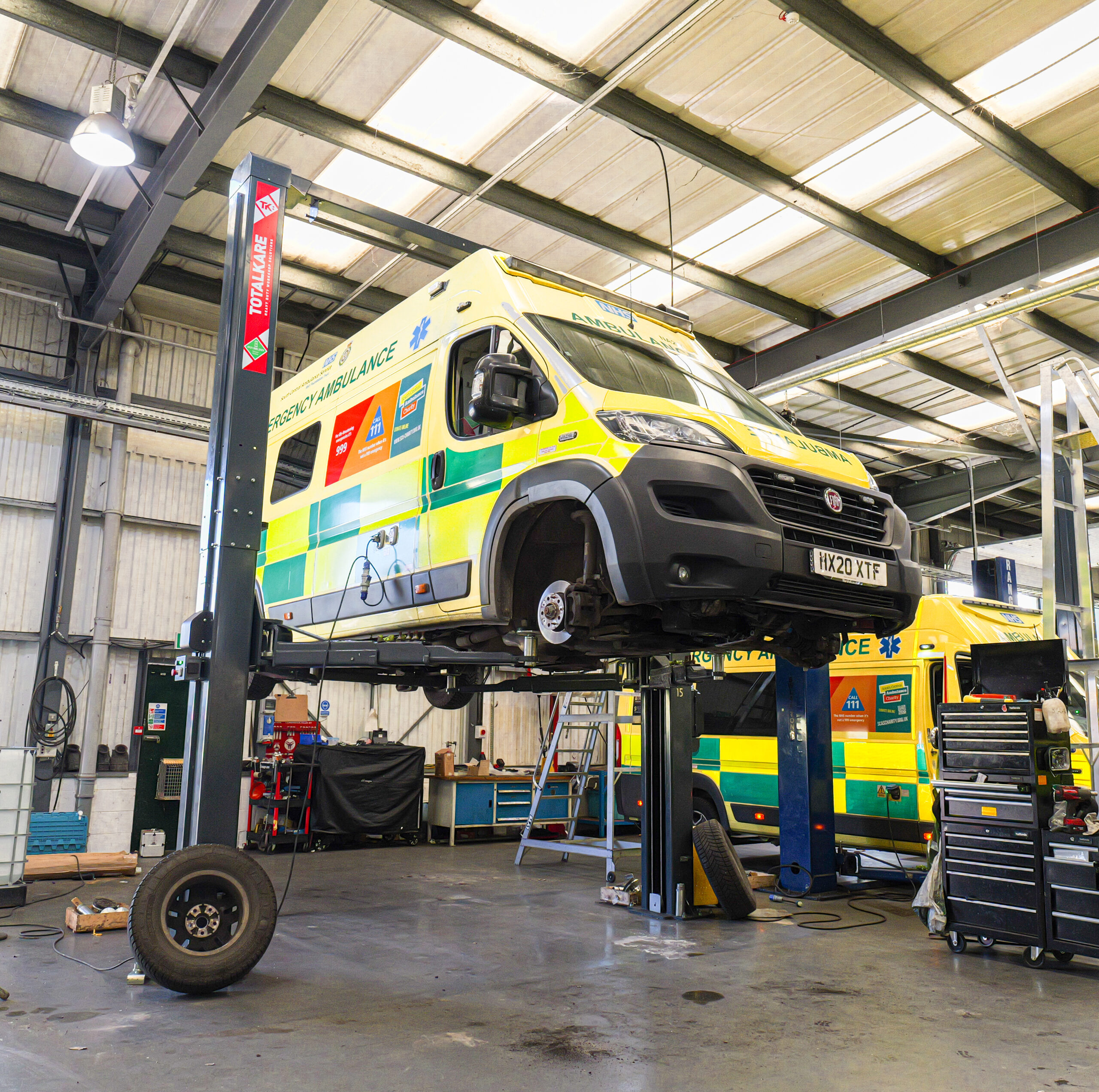
Two Post Lift (LCV)
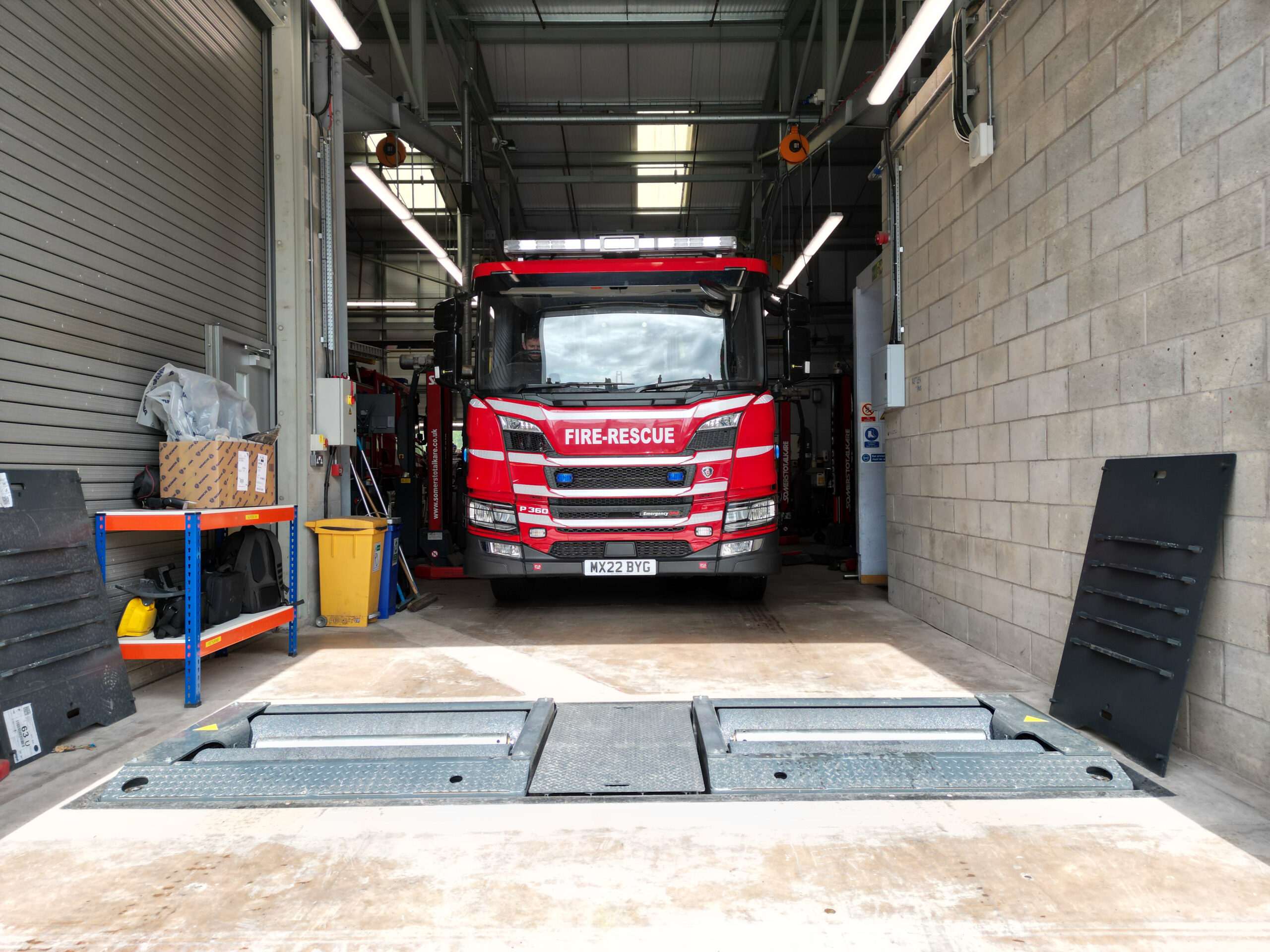
Mobile Brake Tester
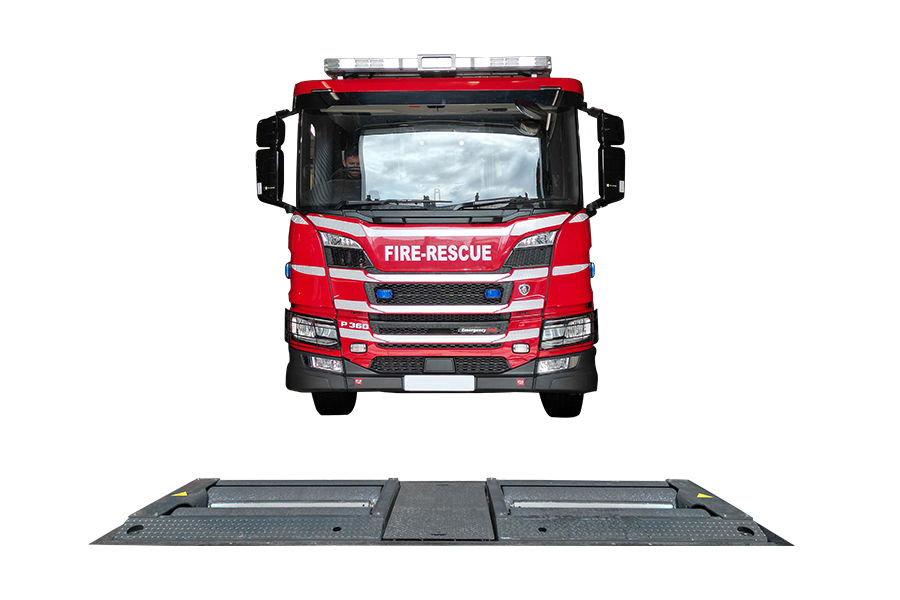
In-Ground Brake Tester
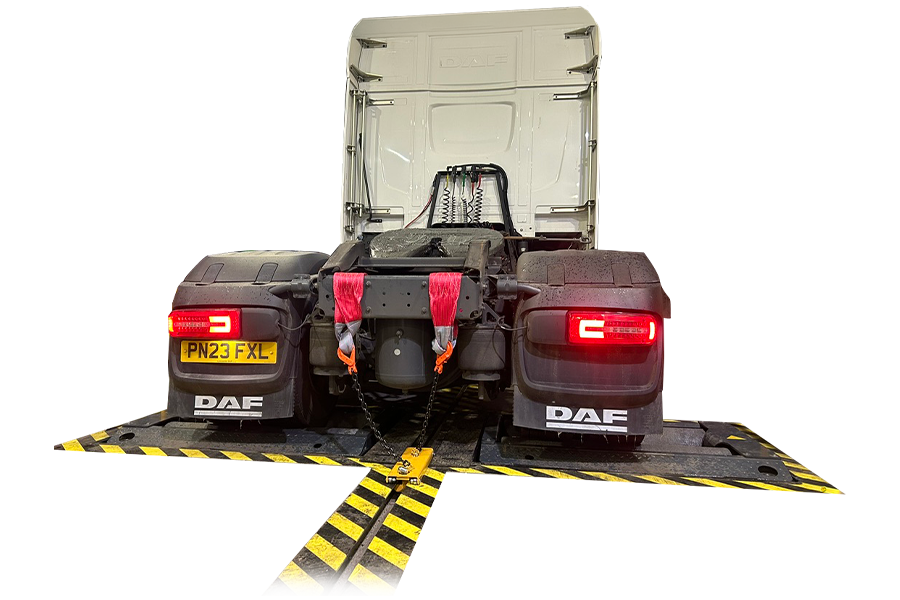
Load Simulation Brake Tester
Typical Public Sector Workshop Configurations
-
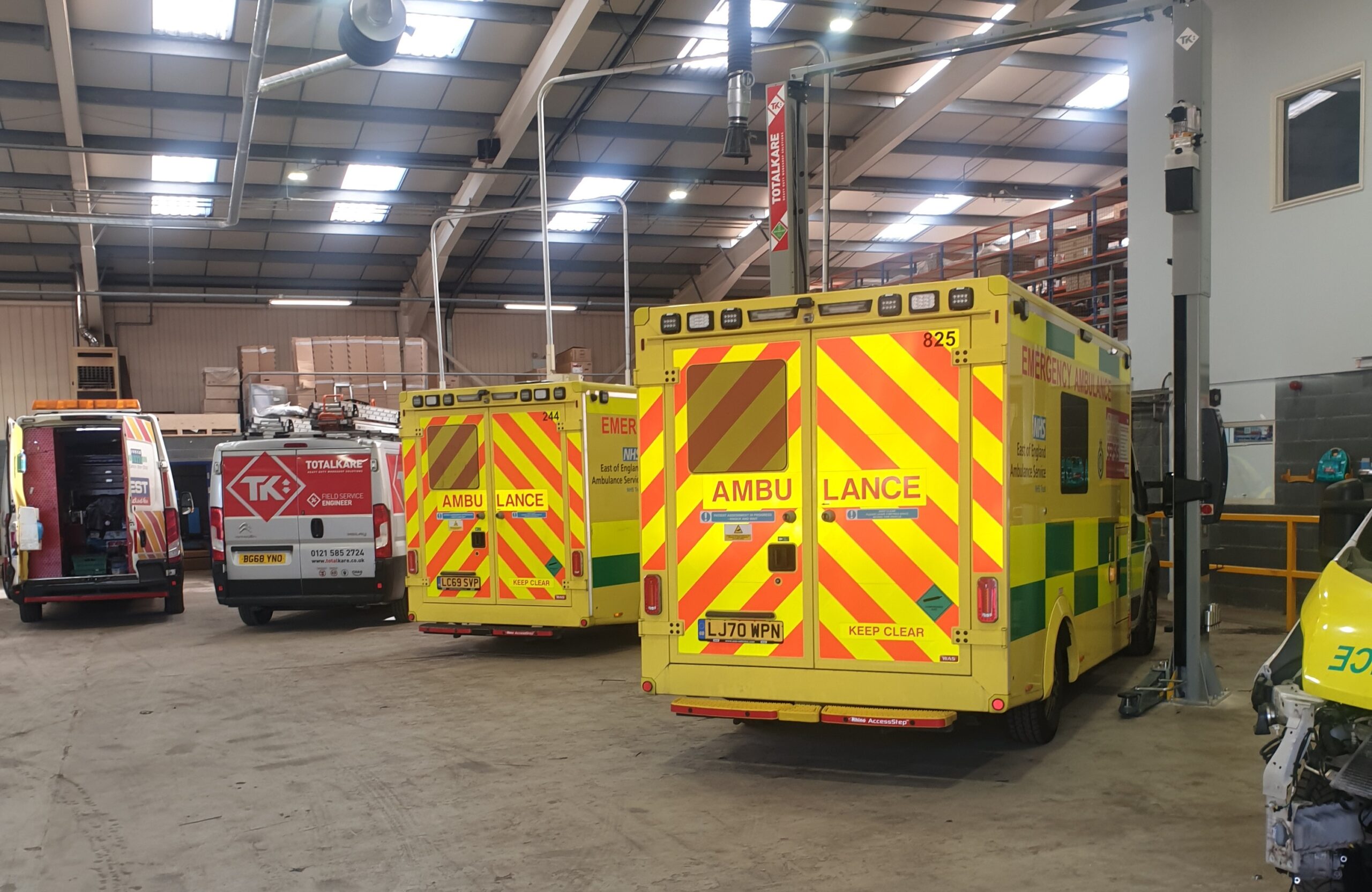
Response Fleet Maintenance Setup
Facilities supporting routine inspection and maintenance of specific operational response vehicles such as ambulances or police vehicles. -
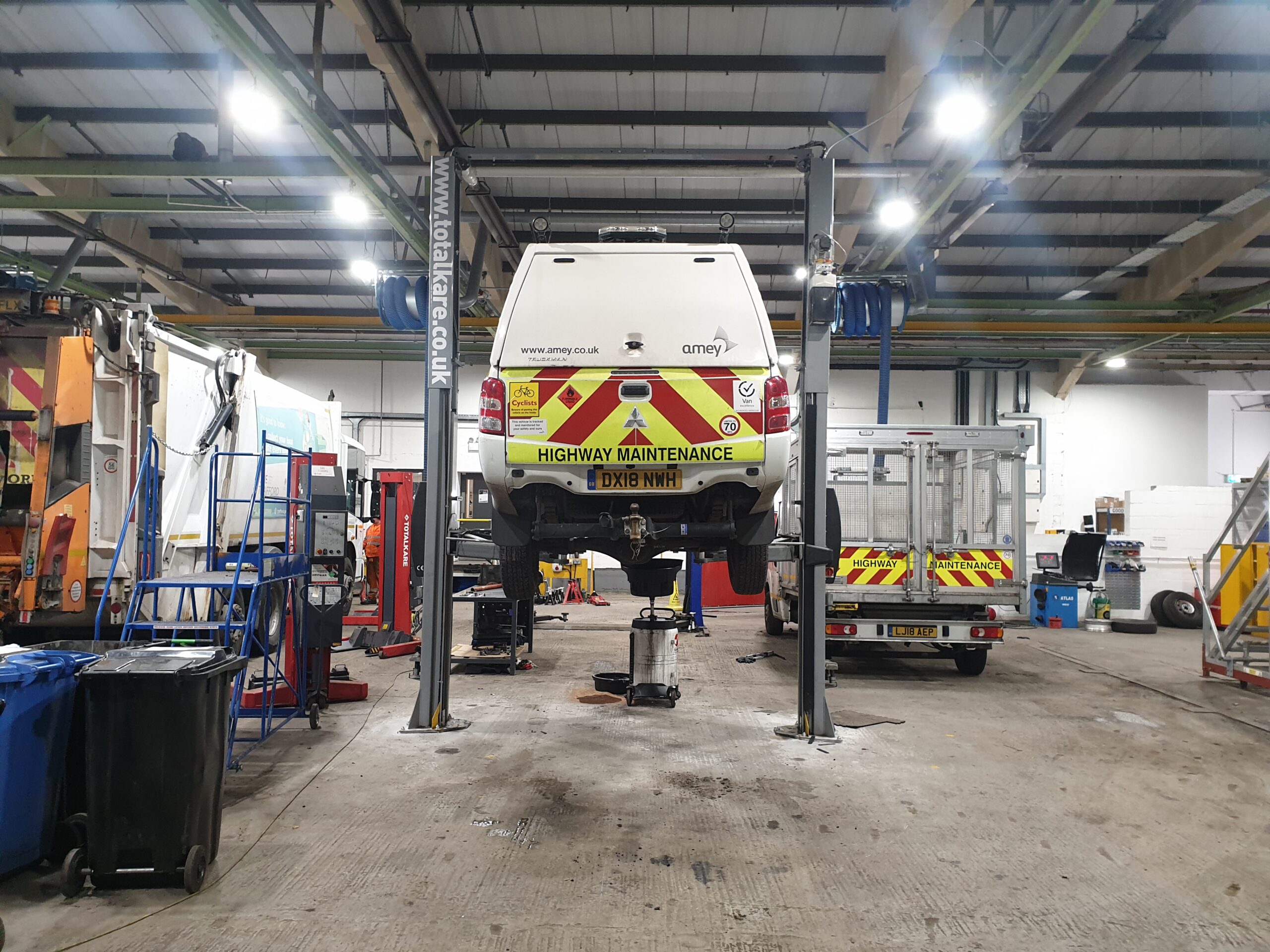
Contractor Workshop
An external workshop environment catering to emergency service fleets and other vehicles cared for by the local authority. -
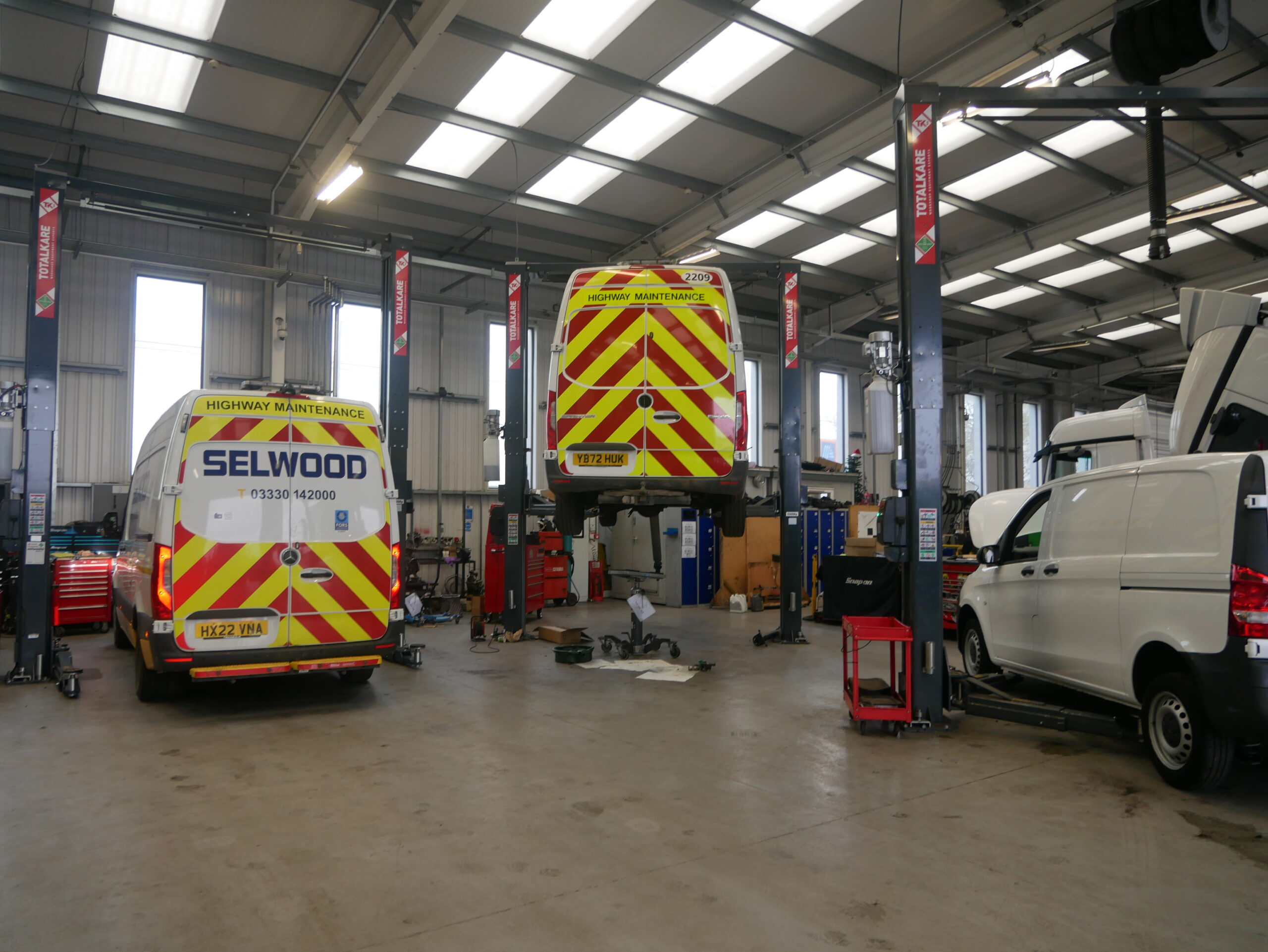
Mixed Service Authority Workshop
Flexible workshops supporting varied vehicle types across different departments within a single maintenance location.
Local Authority Workshop Equipment FAQs
What equipment is required to maintain emergency service vehicles?
Maintaining emergency service vehicles requires workshop equipment that supports safe inspections, routine servicing and reliable maintenance processes. Typical equipment includes vehicle lifting systems for cars and light commercial vehicles, four-post lifts for inspection and maintenance work, brake testing equipment, headlamp testers, inspection pits or safe access systems, and general workshop service equipment. This allows technicians to maintain response vehicles safely while ensuring they remain ready for frontline use.
Do local authority workshops need brake and headlamp testing equipment?
Yes, brake and headlamp testing equipment is commonly used in local authority workshops. These systems allow technicians to verify that vehicles meet required safety standards during routine inspections and servicing. Reliable testing equipment also helps ensure vehicles remain compliant with operational safety requirements.
How do public sector workshops manage mixed vehicle fleets safely?
Public sector workshops often maintain a range of vehicles including cars, vans and specialist service vehicles. Flexible lifting equipment, structured inspection procedures, and organised workshop layouts enable technicians to safely maintain a range of vehicle types while following consistent maintenance processes.
Why is inspection documentation important for municipal fleets?
Inspection documentation provides a clear record of maintenance activities, safety checks and repairs carried out on operational vehicles. For municipal fleets, this helps demonstrate a duty of care, maintain compliance with internal safety procedures, and ensure vehicles are inspected and maintained according to defined schedules.
Do you provide installation, commissioning and ongoing servicing support?
Yes, installation, commissioning, and ongoing servicing support are typically provided to ensure that workshop equipment is installed correctly and maintained to the required safety standards. Regular servicing also helps ensure that lifting and inspection equipment continues to operate reliably within busy public-sector workshops.
What lifting equipment is commonly used in emergency service workshops?
Four-post lifts and other vehicle lifting systems designed for cars and light commercial vehicles are commonly used in emergency service workshops. These allow technicians to safely carry out inspections, servicing and maintenance tasks on response vehicles and operational fleet vehicles.
Can public sector workshops maintain vehicles from multiple departments?
Yes, many municipal workshops support vehicles from different departments such as highways, housing services and environmental teams. Flexible workshop layouts and adaptable lifting equipment allow technicians to safely maintain a wide range of vehicles within a single facility.
How do WELL-EQUIPPED workshops help keep frontline vehicles available?
Well-equipped workshops allow technicians to carry out inspections, servicing and repairs efficiently without sending vehicles to external service providers. This helps reduce downtime and ensures emergency and municipal vehicles remain available for daily operational duties.