Bus & Coach
Workshop Equipment
Keep buses and passenger fleets on schedule, reduce vehicle downtime, and maintain safety compliance with heavy-duty lifting and testing equipment designed for high-utilisation transport depots.
What Bus & Transport Depots
Really Require
Bus maintenance is about volume, repetition and timing. Vehicles return nightly. Inspections are routine. Brake performance is critical. Equipment must withstand daily use without creating bottlenecks.
- Speed: systems that ensure fast turnaround of safe vehicles between shifts
- Reliability: lifting designed for constant daily use with minimal downtime
- Confidence in Safety: reliable in-house testing of brakes and other systems to protect passengers
- Throughput efficiency: flexible layouts that prevent bay congestion and unused space
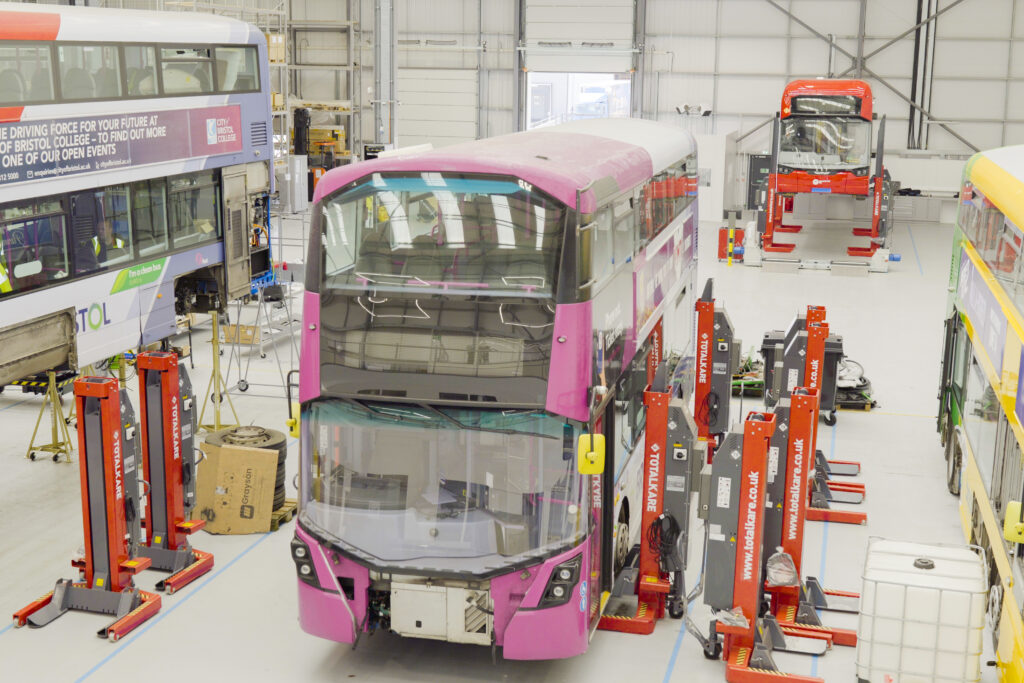
- Fleet variation: support for single deck, double deck and electric vehicles
- Predictable routines: fast and easy-to-use equipment that can withstand heavy use
Core Equipment for
Bus & Public Transport Workshops
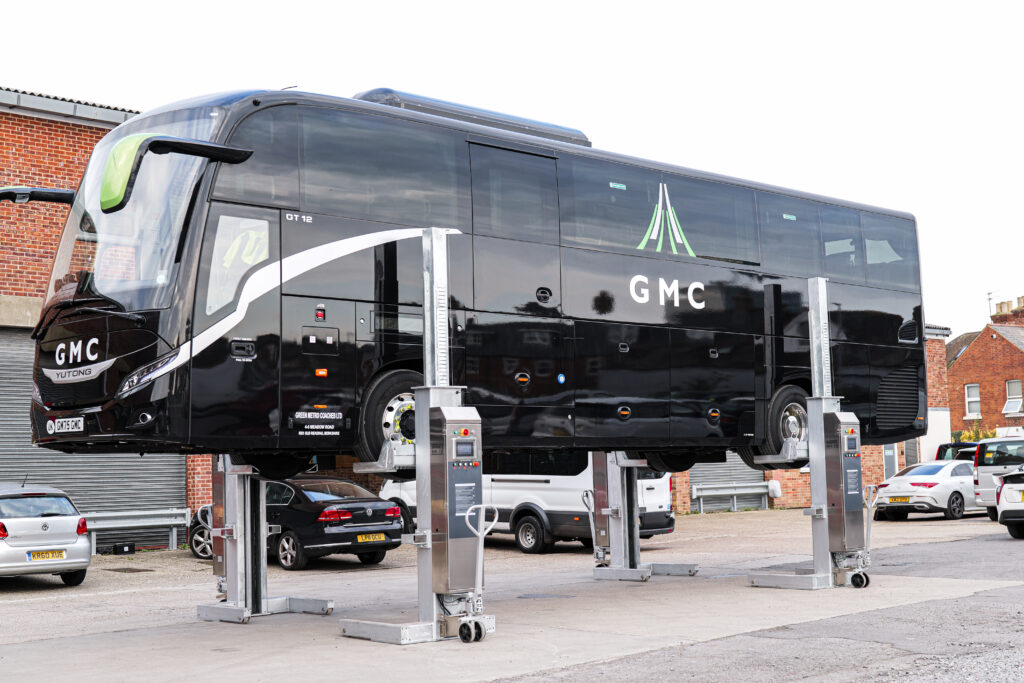
- Mobile Column Lifts – flexible lifting for a variety of vehicle lengths
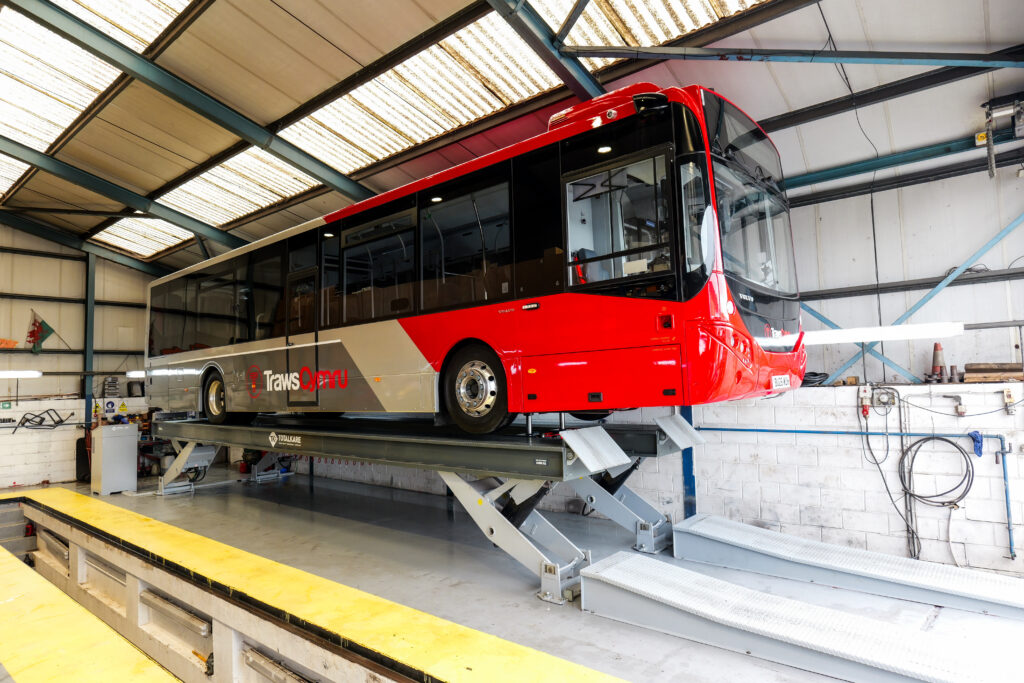
- In-Ground Lift – permanent lifting for high-throughput depot bays
- In-Ground Brake Tester – fixed roller brake testing for routine safety inspections
- Play Detectors – steering and suspension wear detection during routine inspections
- Vehicle Inspection Pits – safe under-vehicle access for inspections and servicing
- TR23 Tyre Changer – manage heavy tyres quickly with minimal risks
- Mobile Bus Wash – wash vehicles quickly and easily to stay looking presentable

T8DC Cable Free Column Lift

T8AC Cabled Mobile Column Lifts
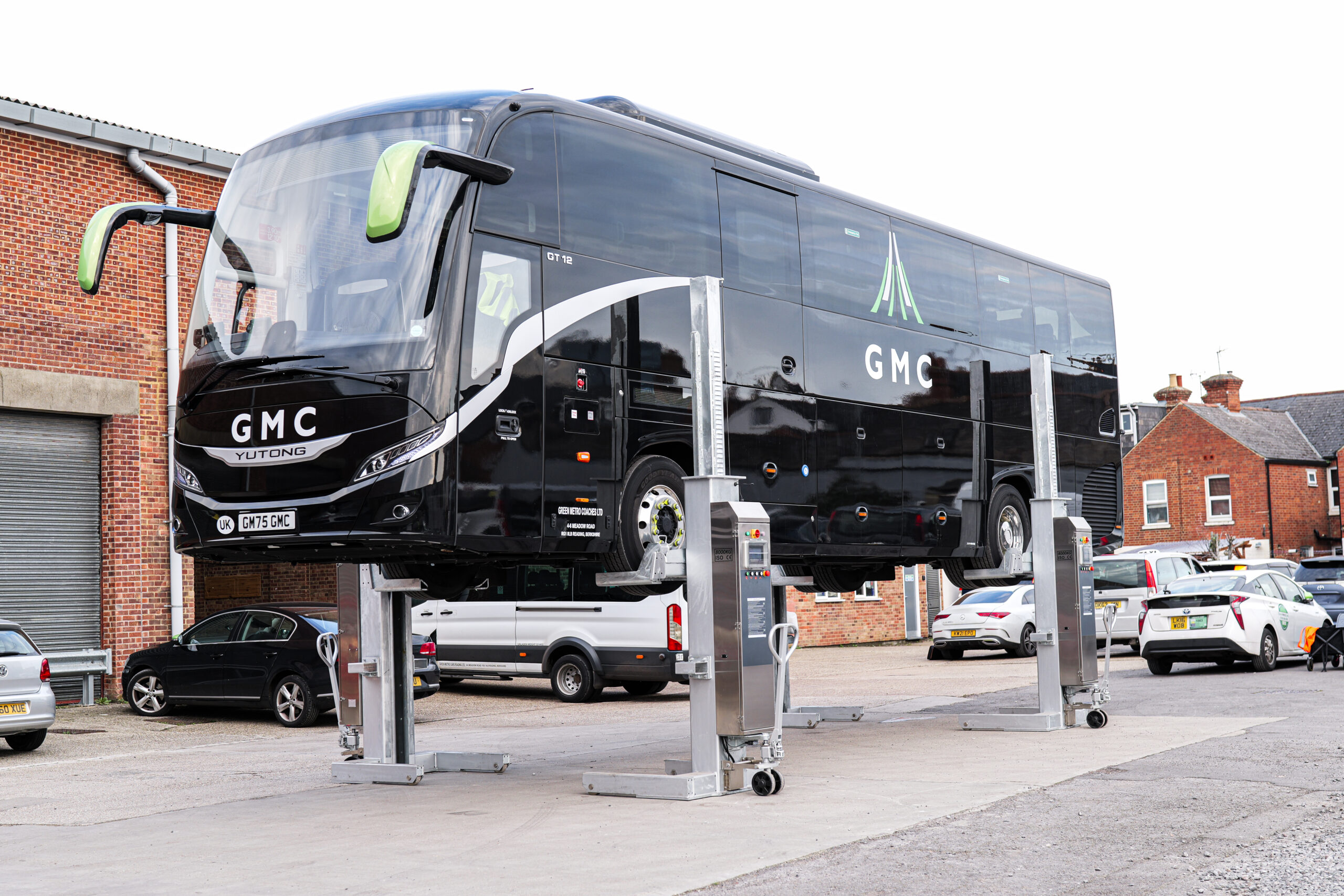
G9DC Washbay Mobile Column Lift
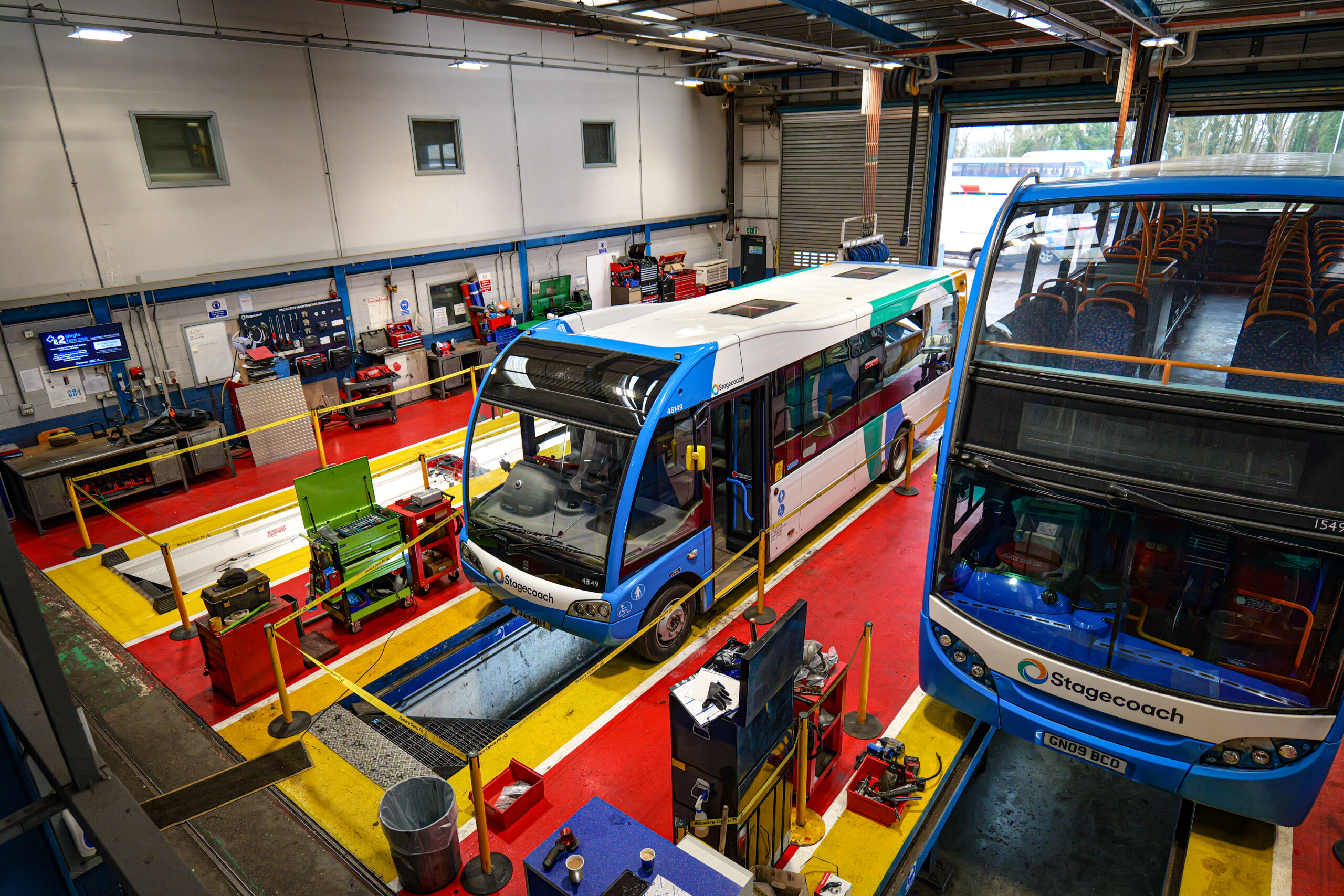
Vehicle Inspection Pits
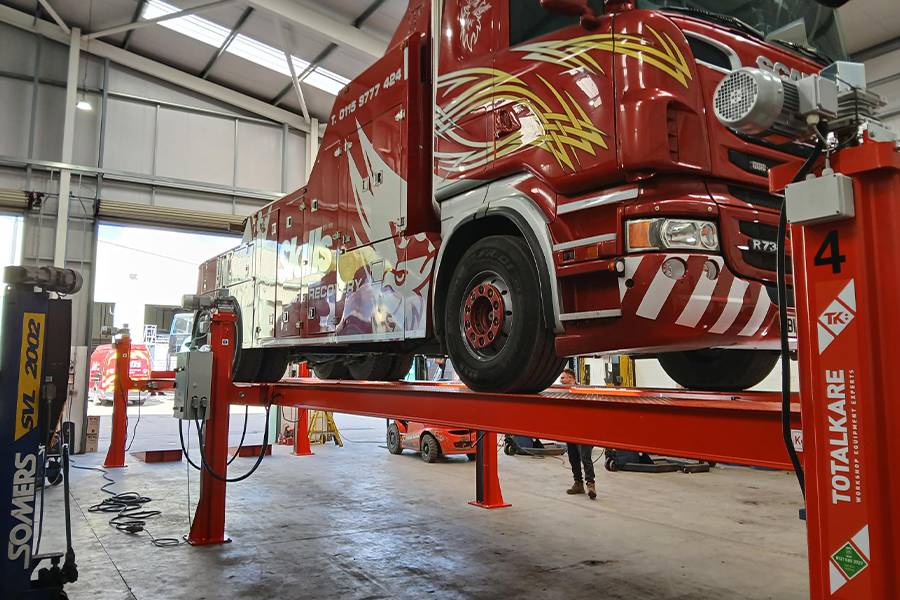
Heavy Duty Four Post Lift
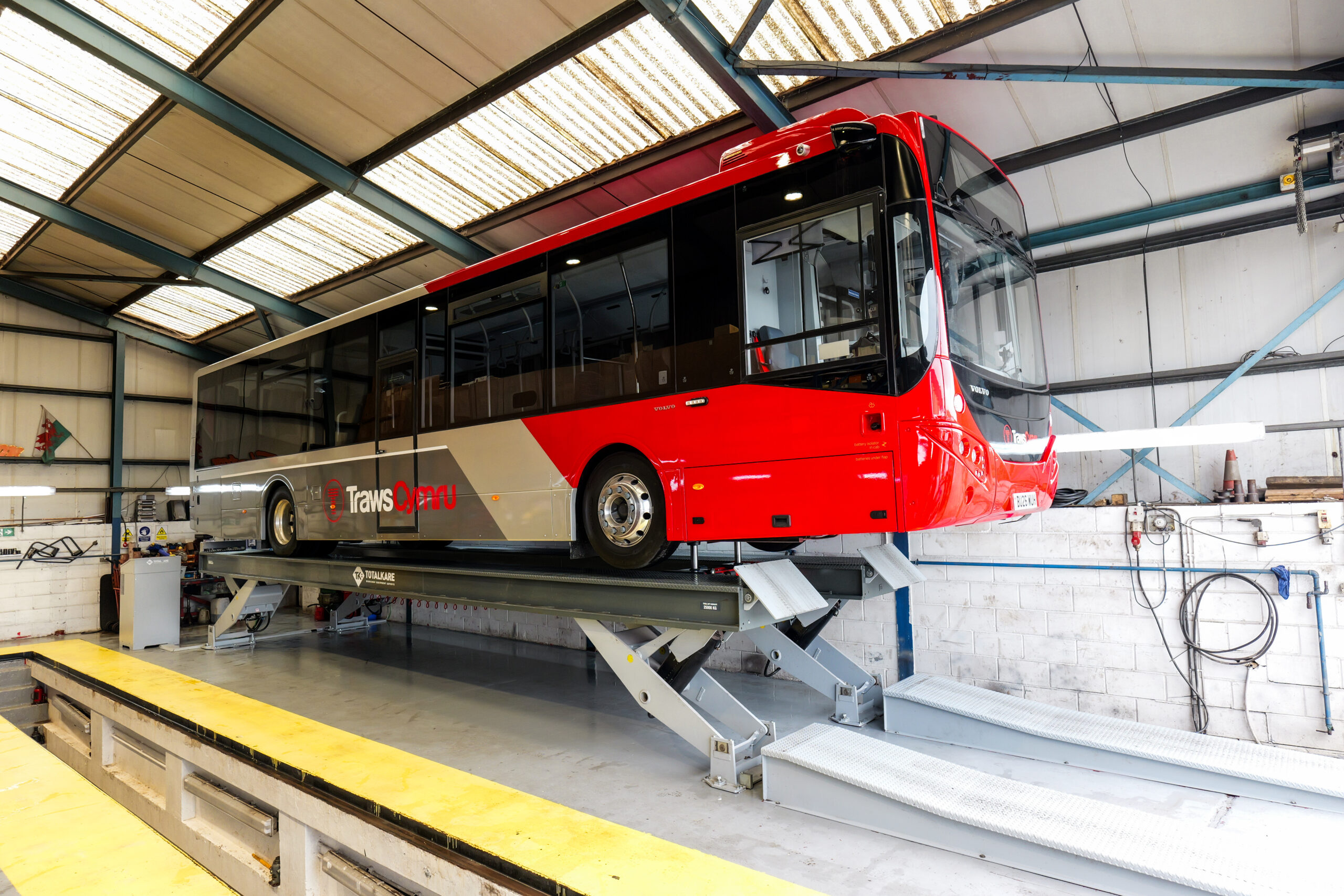
Y-MECH Lift
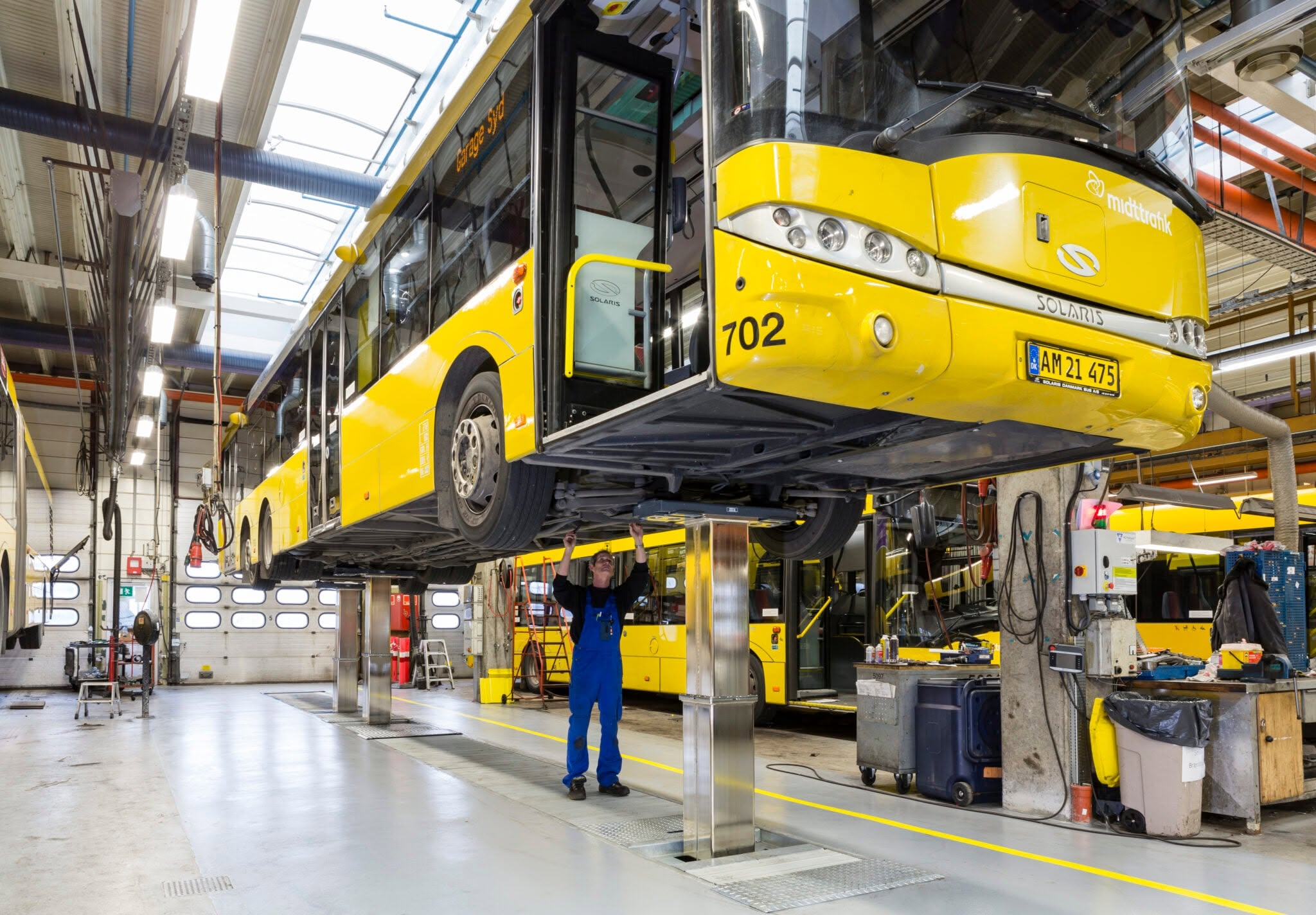
In-Ground Vehicle Lift
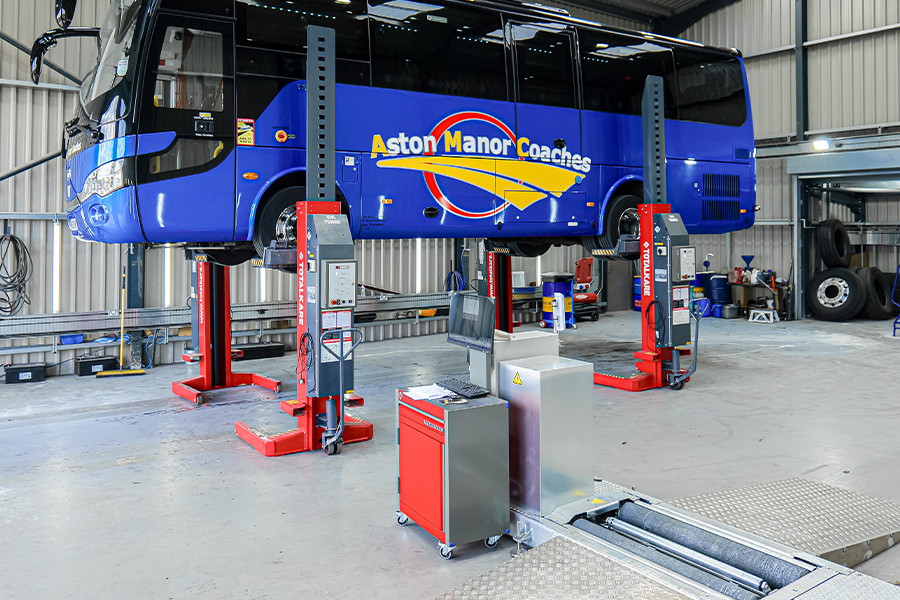
Pre-Owned Mobile Column Lifts
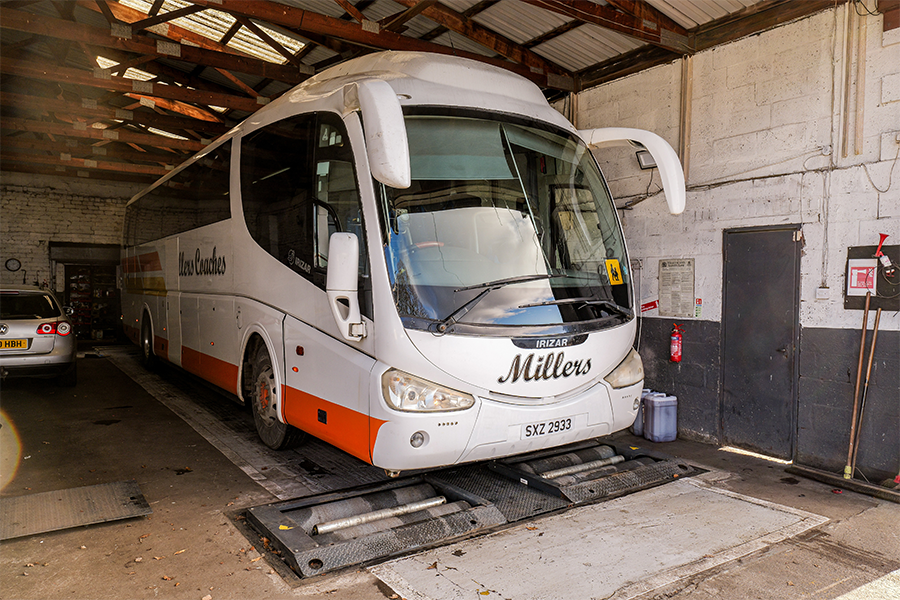
In-Ground Brake Tester
Typical Bus Depot Infrastructure Setups
-
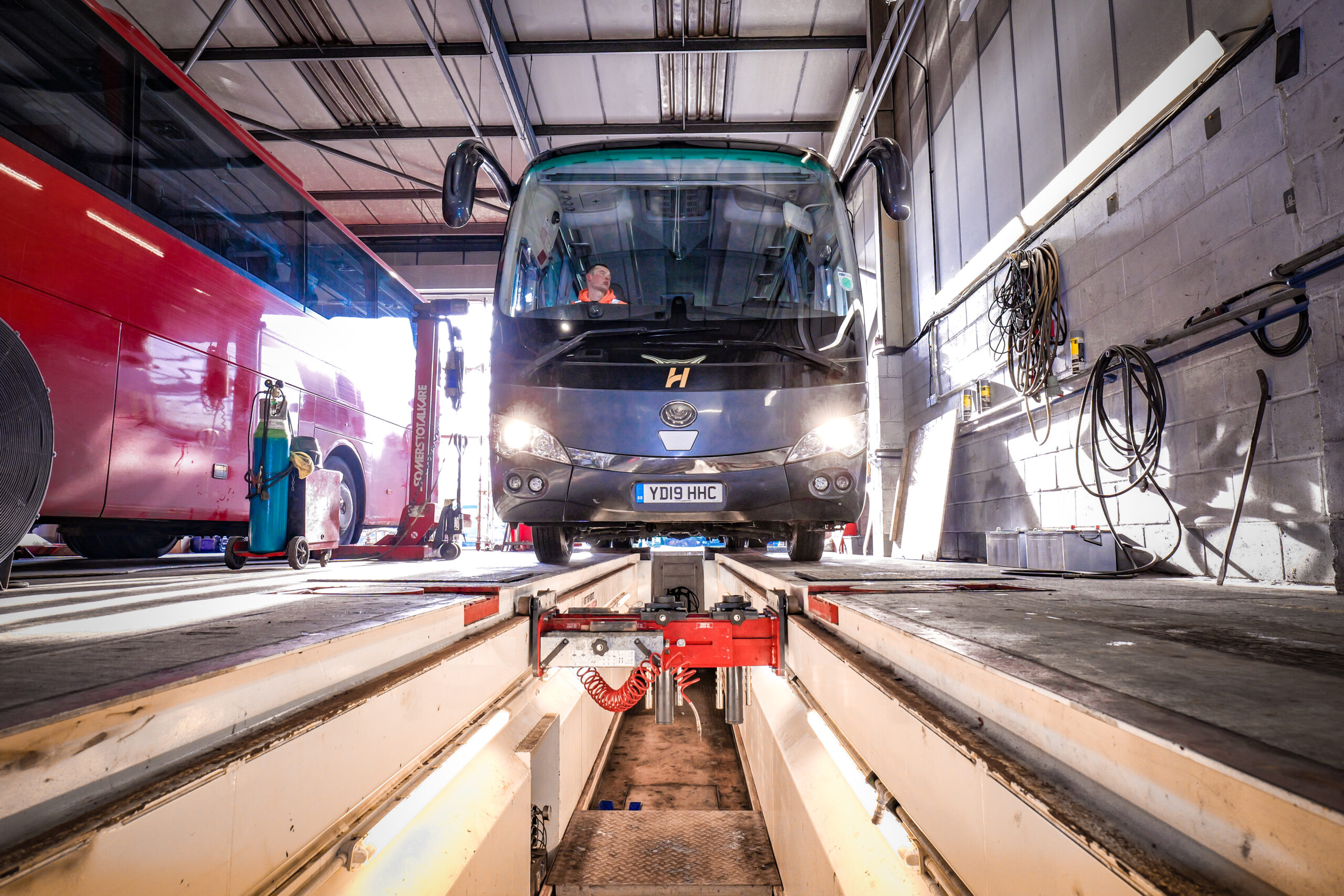
Nightly Inspection Facility
Drive-through lifting bays paired with brake testing systems to manage routine safety checks across returning vehicles. -
Fleet Operator Engineering Depot
Comprehensive lifting, brake testing and diagnostic infrastructure supporting refurbishment programmes, compliance checks and large contract fleets. -
Manufacturing Centre
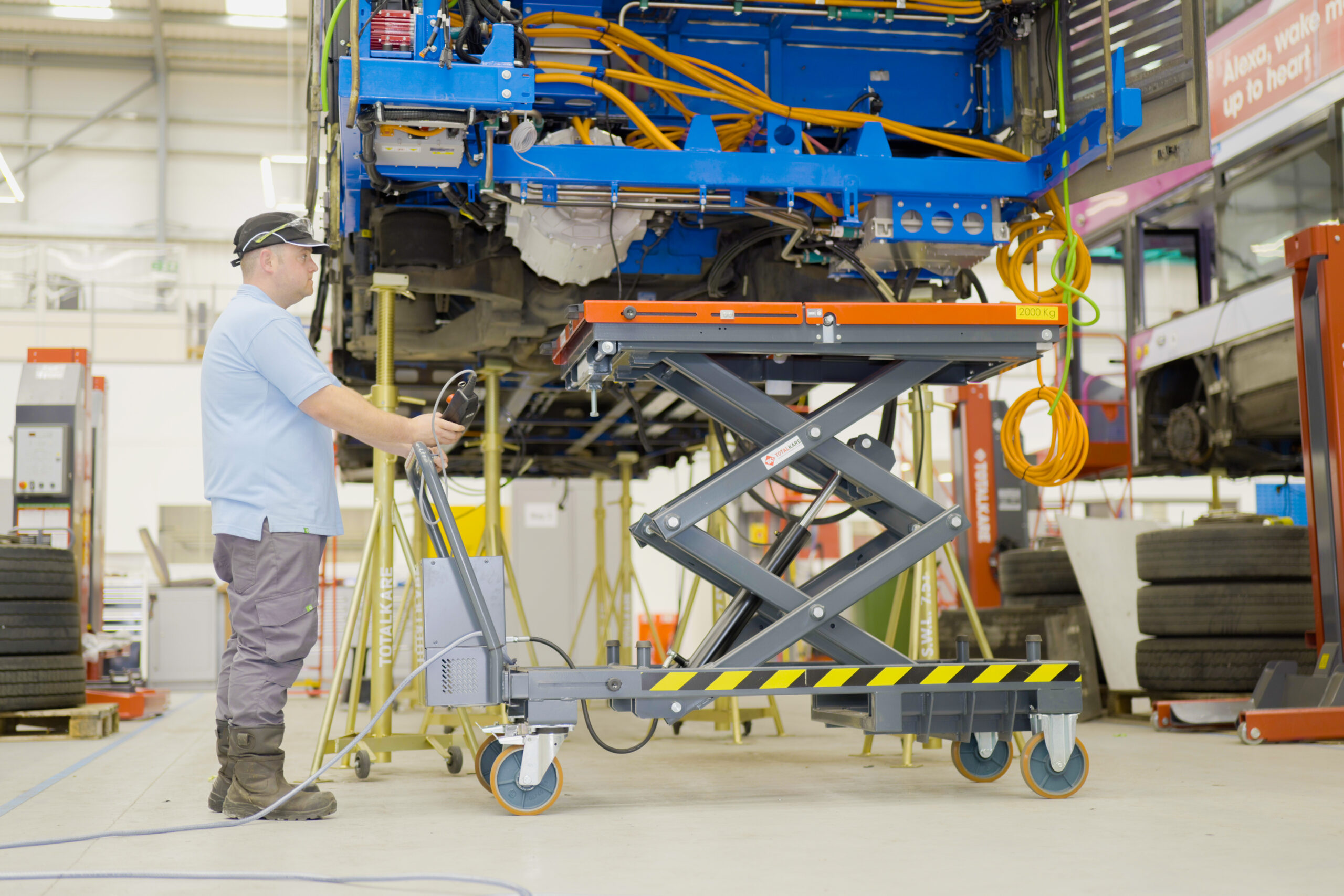
Final checks on vehicles before sale or services and repairs on customer vehicles.
Bus & Transport Workshop FAQs
What equipment do UK bus depots need for routine maintenance?
Core equipment includes mobile column lifts or in-ground lifting systems, in-ground brake testers, tyre changers and play detectors.
Is mobile lifting suitable for high frequency bus fleets?
Yes, mobile column lifts are widely used in bus depots because they offer flexible lifting capability for different vehicle sizes and configurations. These systems are designed for repeated daily use and allow operators to lift single- and double-deck buses safely while maintaining efficient workshop workflows.
Should brake testing be carried out in house?
In-house brake testing is strongly recommended for bus operators because brake performance is critical to passenger safety. Roller brake testers allow technicians to verify braking efficiency during routine inspections before an MOT or as part of an ATF lane.
How does DVSA compliance apply to bus workshop equipment?
Bus operators must ensure vehicles are maintained to the appropriate safety and compliance standards set by the DVSA. Workshop equipment such as brake testers, inspection pits and lifting systems helps support routine inspections and maintenance procedures, allowing operators to demonstrate that vehicles are regularly checked and maintained to the required standards.
Can Totalkare design and install complete depot layouts?
Yes, Totalkare can support the design and installation of complete workshop layouts including lifting systems, brake testing equipment, inspection areas and supporting workshop infrastructure.
What lifting systems are commonly used in bus workshops?
Bus workshops commonly use heavy-duty four-post lifts, mobile column lifts, and in-ground lifting systems. These lifting solutions provide stable support for large passenger vehicles and allow technicians to safely carry out inspections and servicing work.
Can one depot maintain different bus types safely?
Yes, well-designed depot workshops can safely maintain different bus types, including single-deck, double-deck, and electric vehicles. Flexible lifting systems and adaptable workshop layouts allow technicians to work across a range of vehicle sizes and configurations within the same facility.
How do well-equipped depots reduce fleet downtime?
Well-equipped depots allow operators to carry out inspections, servicing and repairs efficiently within their own facility, reducing travel time and reliance on external service providers.