Recovery Vehicle
Workshop Equipment
Recovery operators rely on vehicles being ready to respond at any time. When a recovery truck is unavailable, response times are affected and operational commitments become difficult to meet.
An appropriately designed workshop allows operators to inspect, maintain and safely return recovery vehicles to service without relying on external facilities.
What Recovery Vehicle Workshops
Really Require
Recovery workshops must support unpredictable return times, safety checks and mixed vehicle types rather than scheduled servicing.
Operators typically need:
- Immediate inspection capability after callouts
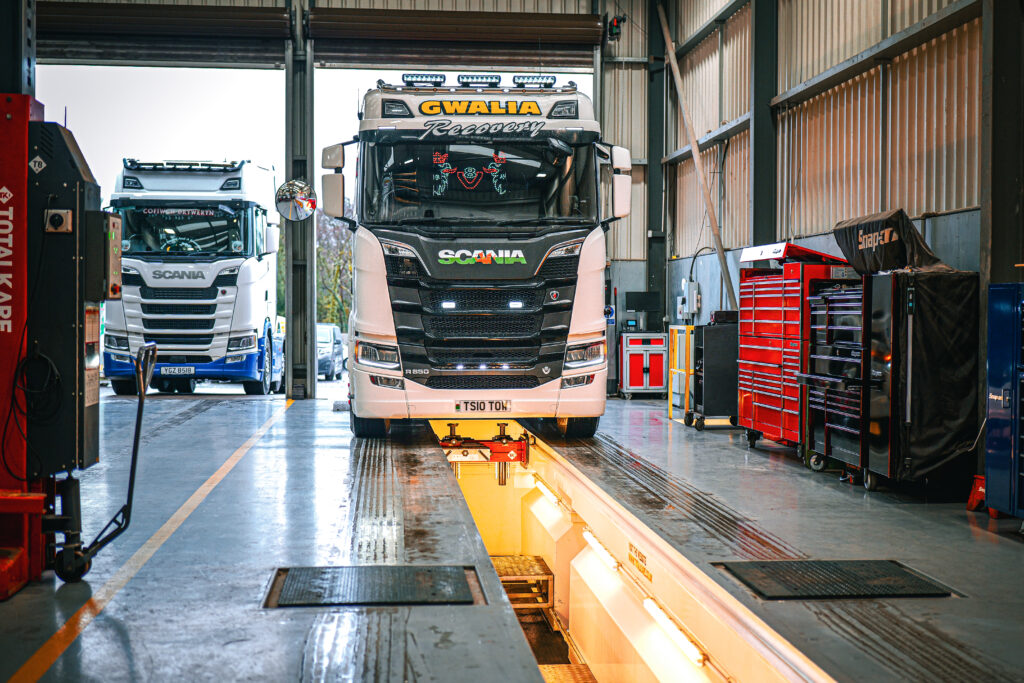
- Safe and fast under-vehicle access
- The ability to work outside normal workshop hours
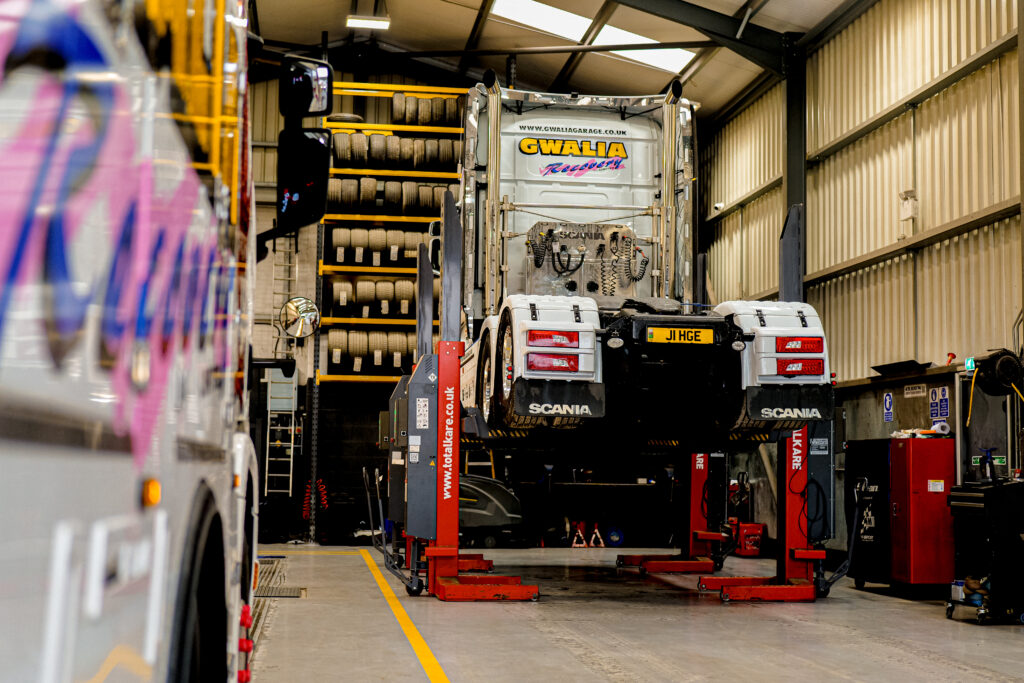
- Safe handling of vehicles carrying towing or lifting equipment
- Flexibility for mixed fleets (heavy recovery trucks, transporters and vans)
- Wolrkshop flexibility to cope with unpredictable fluctuations throughput
The workshop must prioritise readiness and safe working rather than high-volume servicing.
Core Equipment for
Recovery Workshops
Recovery workshops require equipment suited to uneven weight distribution, heavy rear loads and frequent safety inspections.
- Heavy-Duty Four Post Lift – stable fixed lifting for heavy recovery trucks and transporters
- Mobile Column Lifts – flexible lifting for varying recovery vehicle sizes and wheelbases
- Mobile Brake Tester – flexible, space-saving brake testing for immediate safety checks
- TR23 Tyre Changer – manage heavy tyres quickly with minimal risks
- Vehicle Inspection Pits – safe, convenient under-vehicle access for chassis inspection
- Axle Stands – safe access to wheels when using mobile column lifts
- Jacking Beams – supplementary lifting across vehicle wheelbases for fixed lifts
This allows vehicles to be inspected quickly and returned to operational use safely.
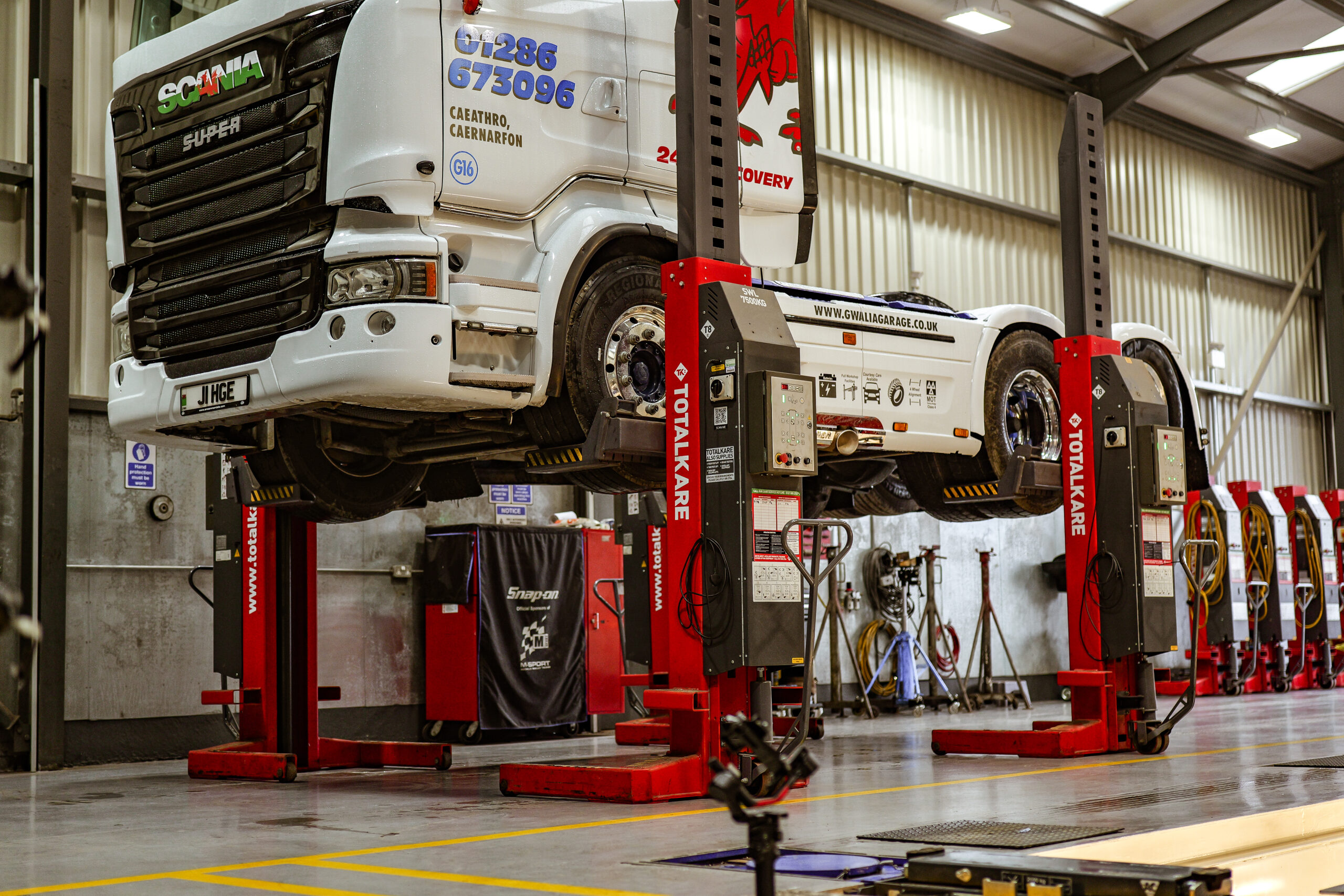
T8DC Cable-Free Mobile Column Lift
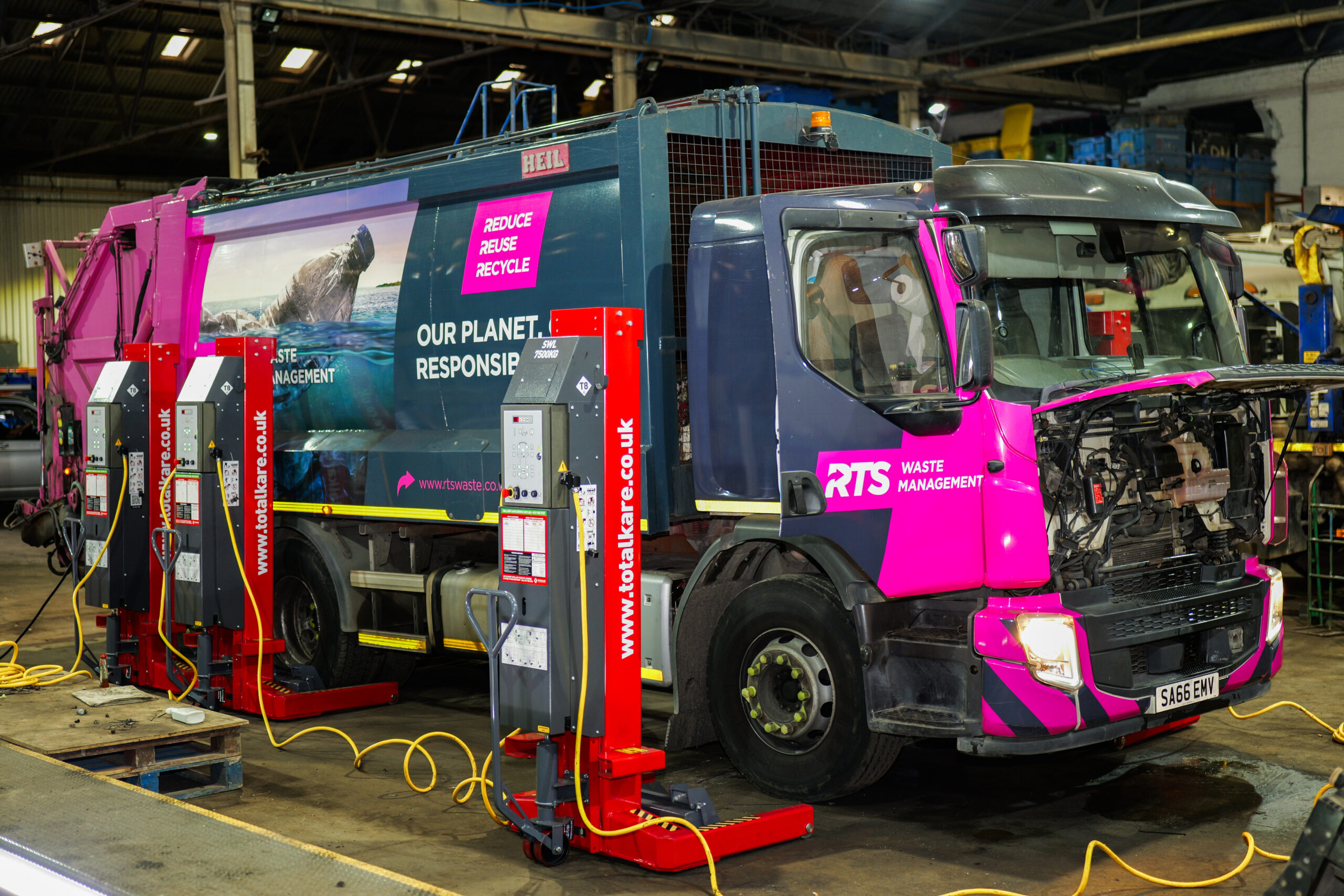
T8AC Cabled Mobile Column Lift
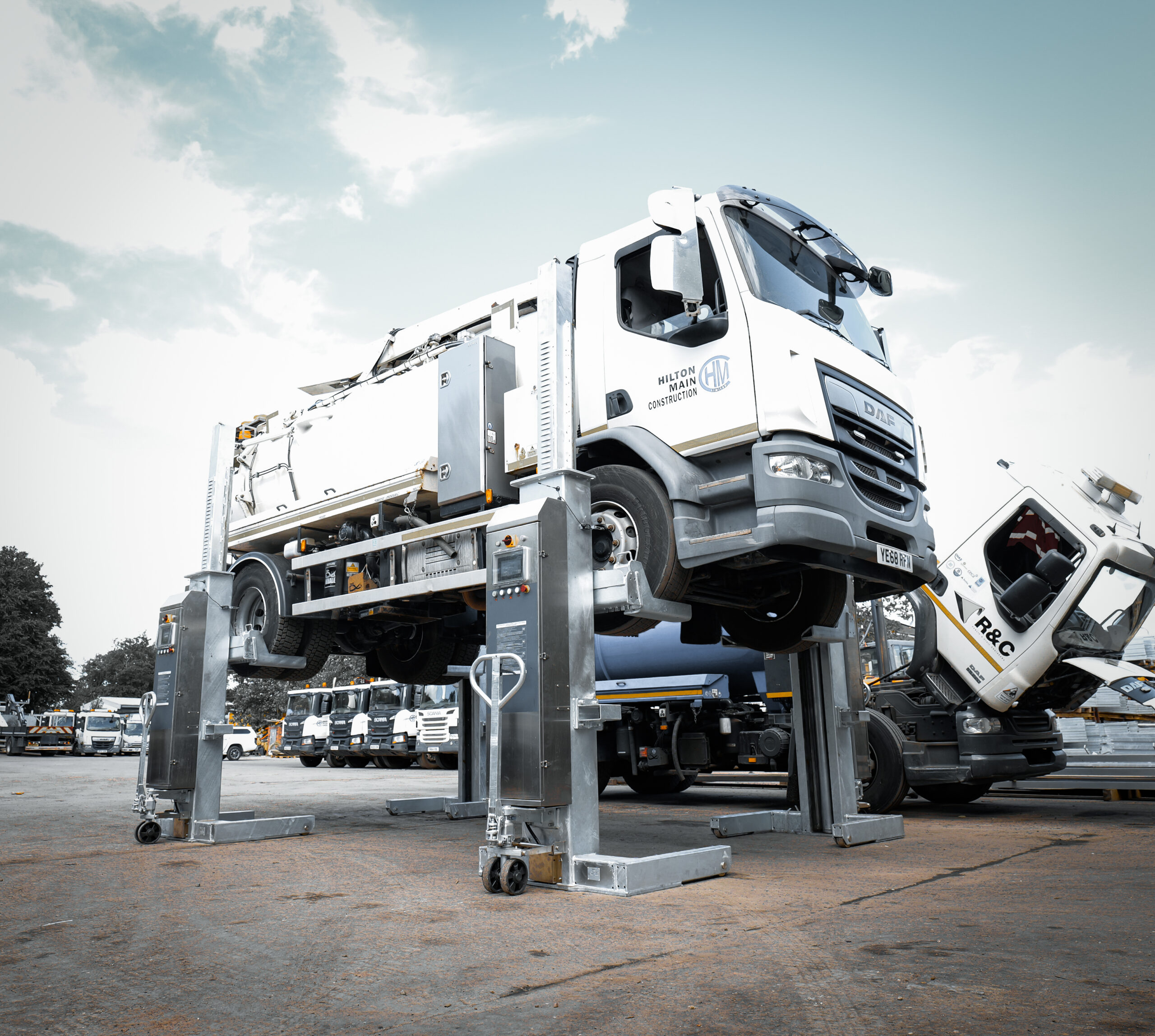
G9DC Washbay Mobile Column Lift
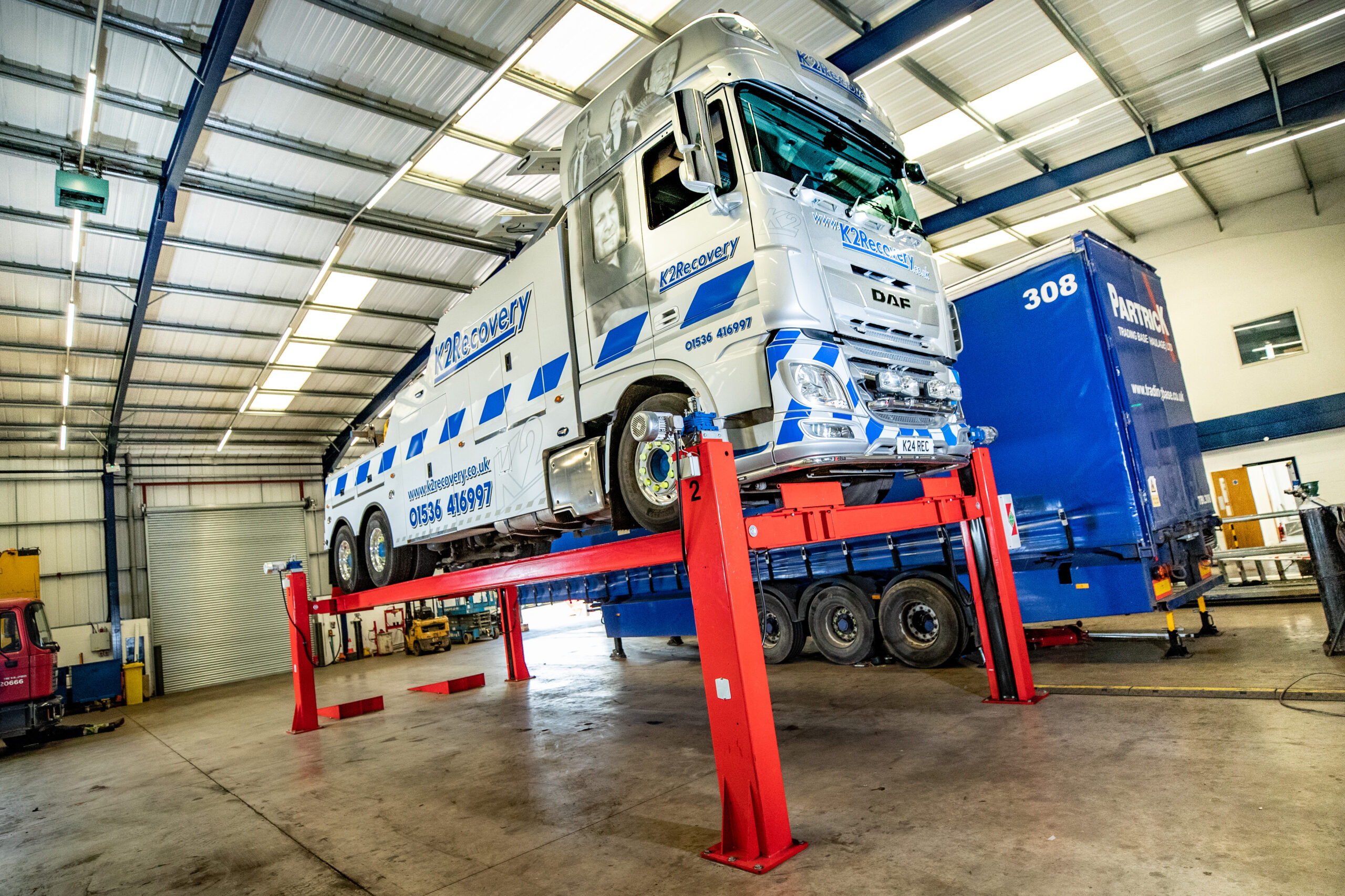
Heavy Duty Four Post Lift
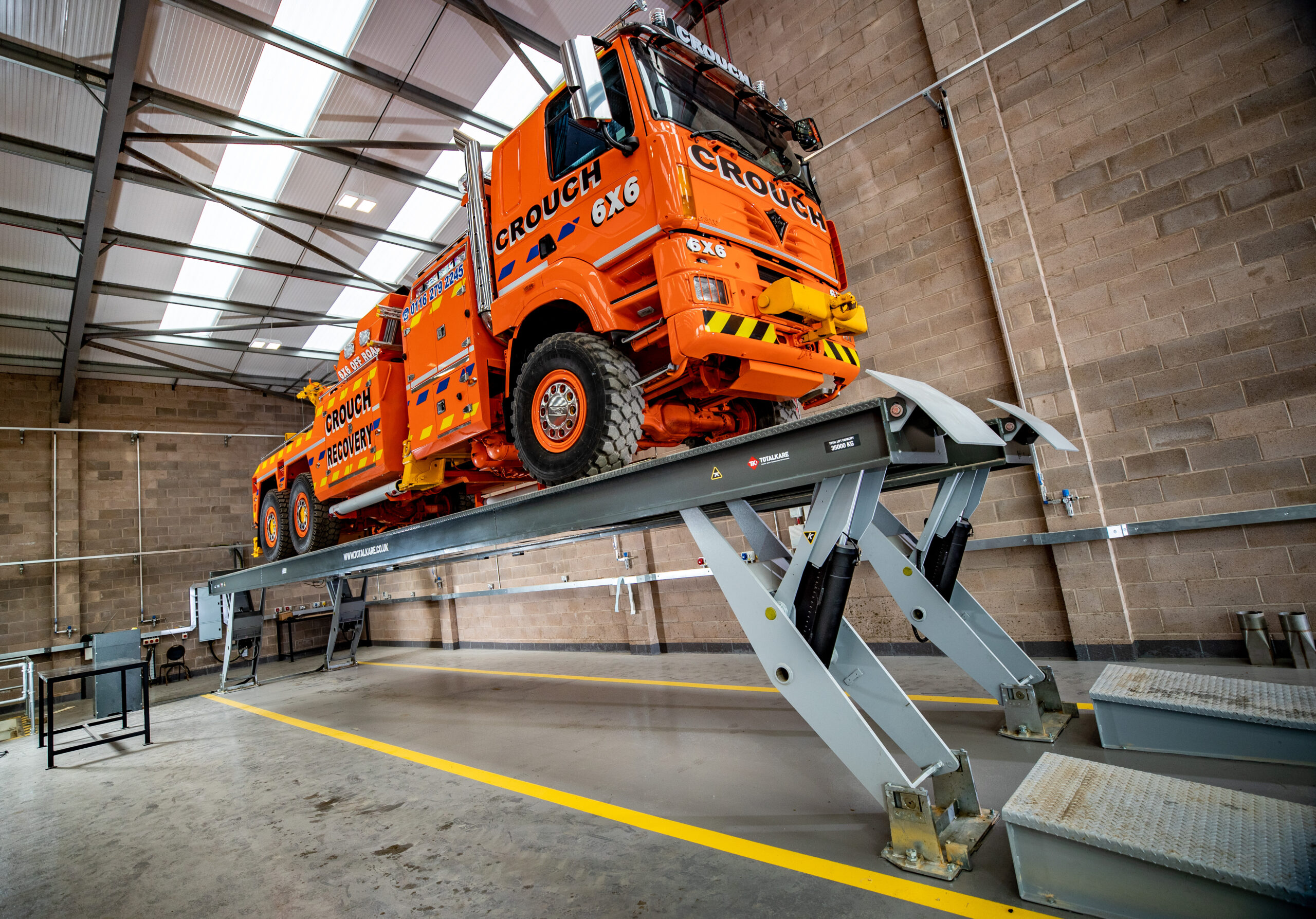
Y-MECH Lift
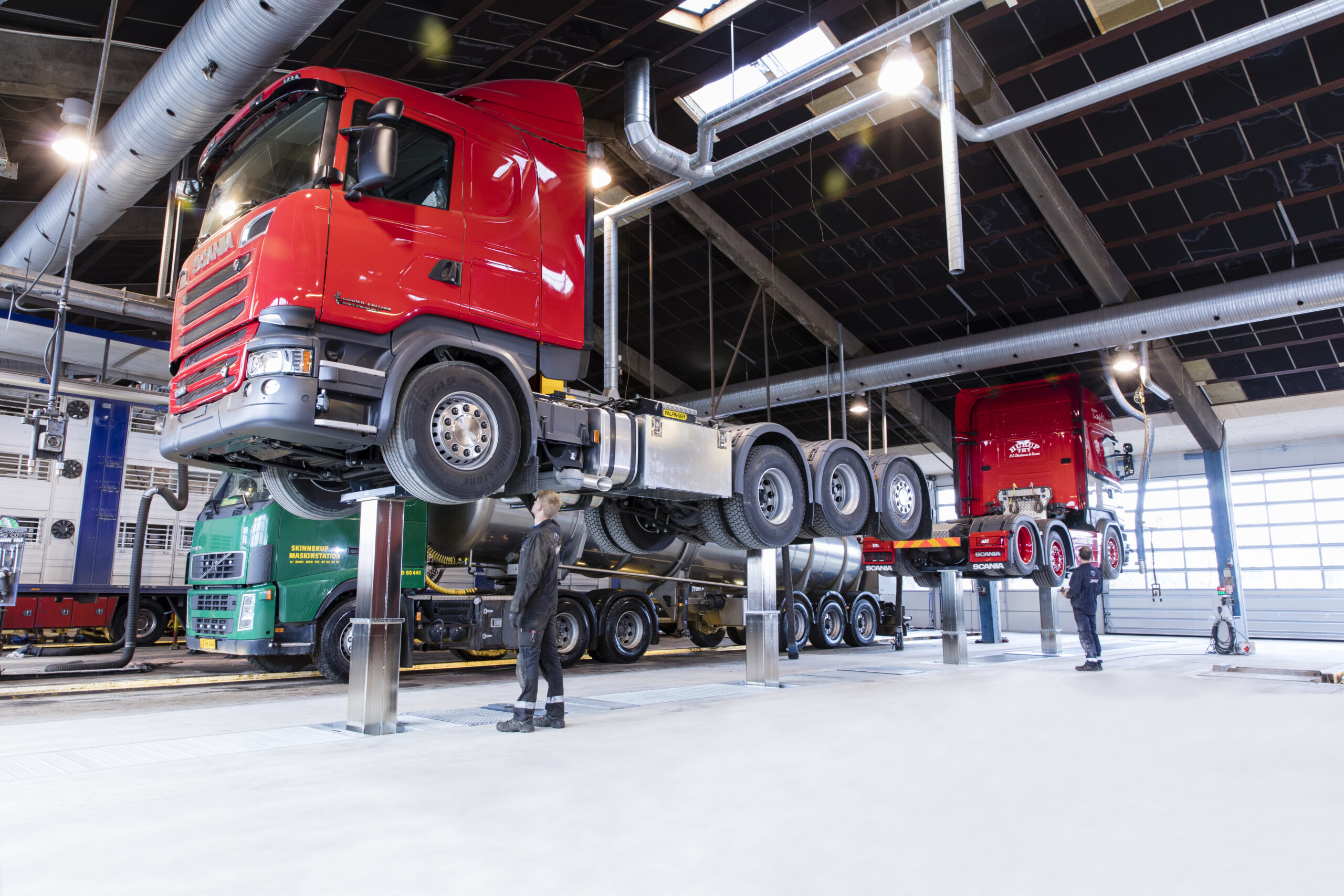
In-Ground Vehicle Lift
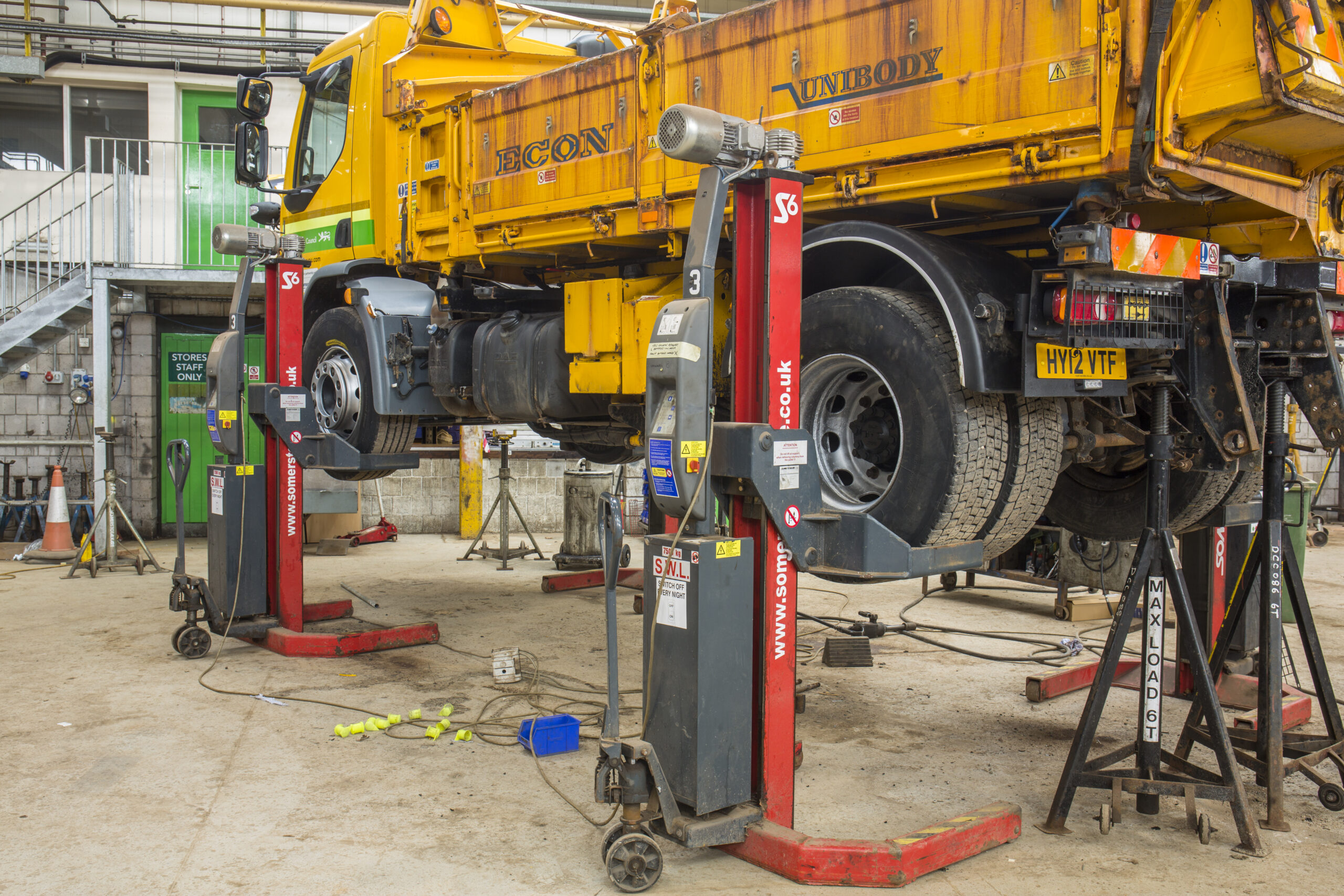
Pre-Owned Mobile Column Lifts
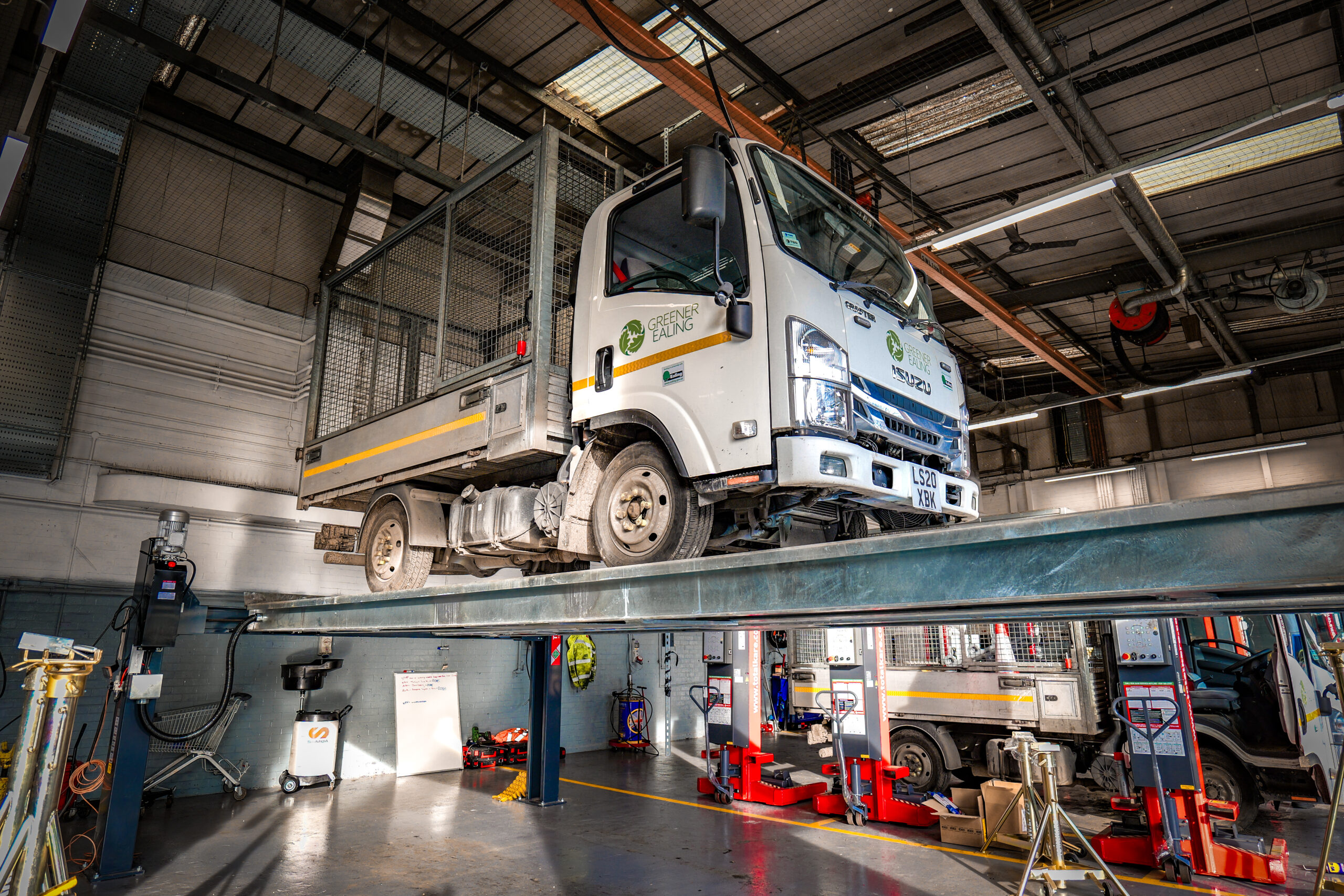
Light Commercial Four Post Lift
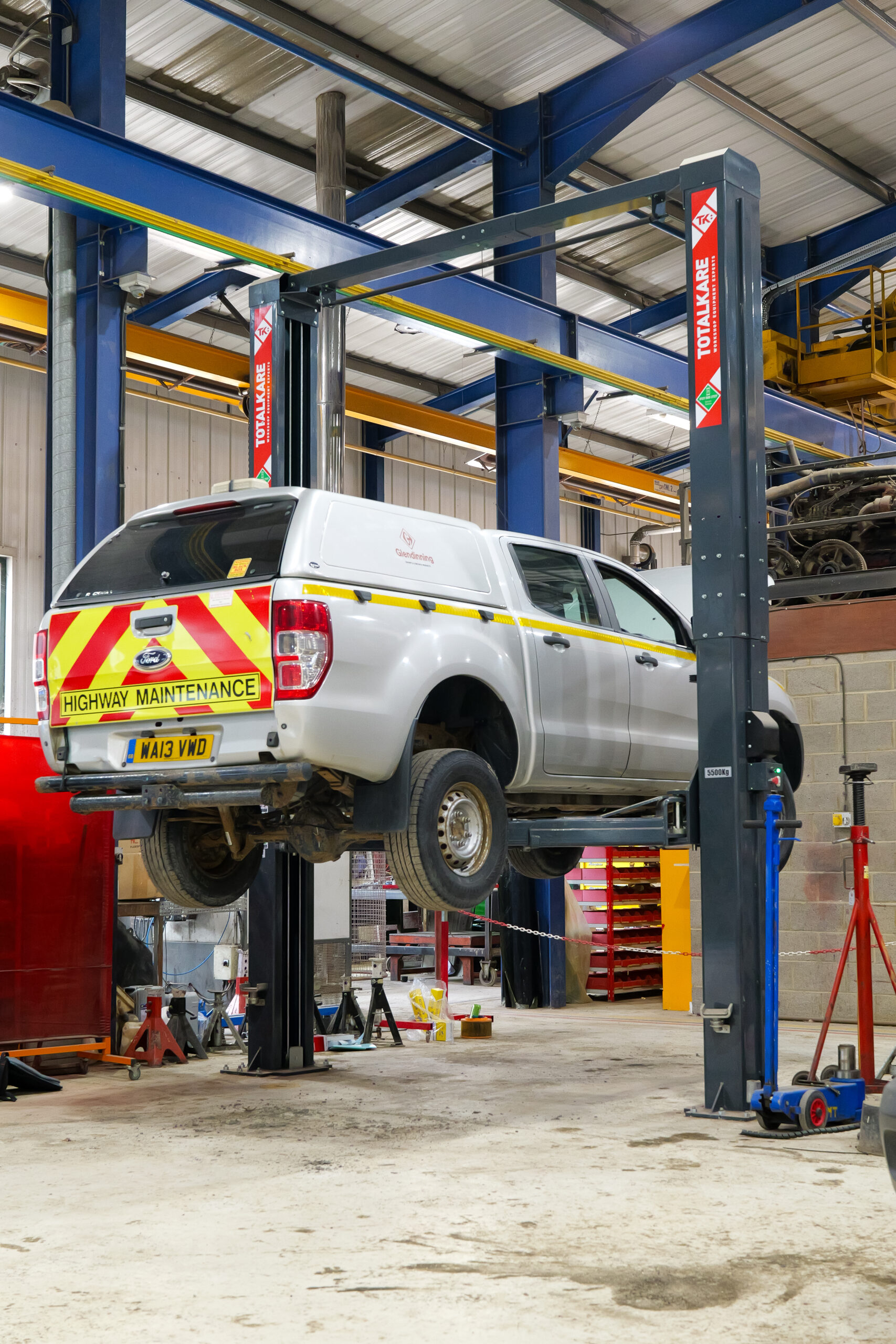
Two Post Lift (LCV)
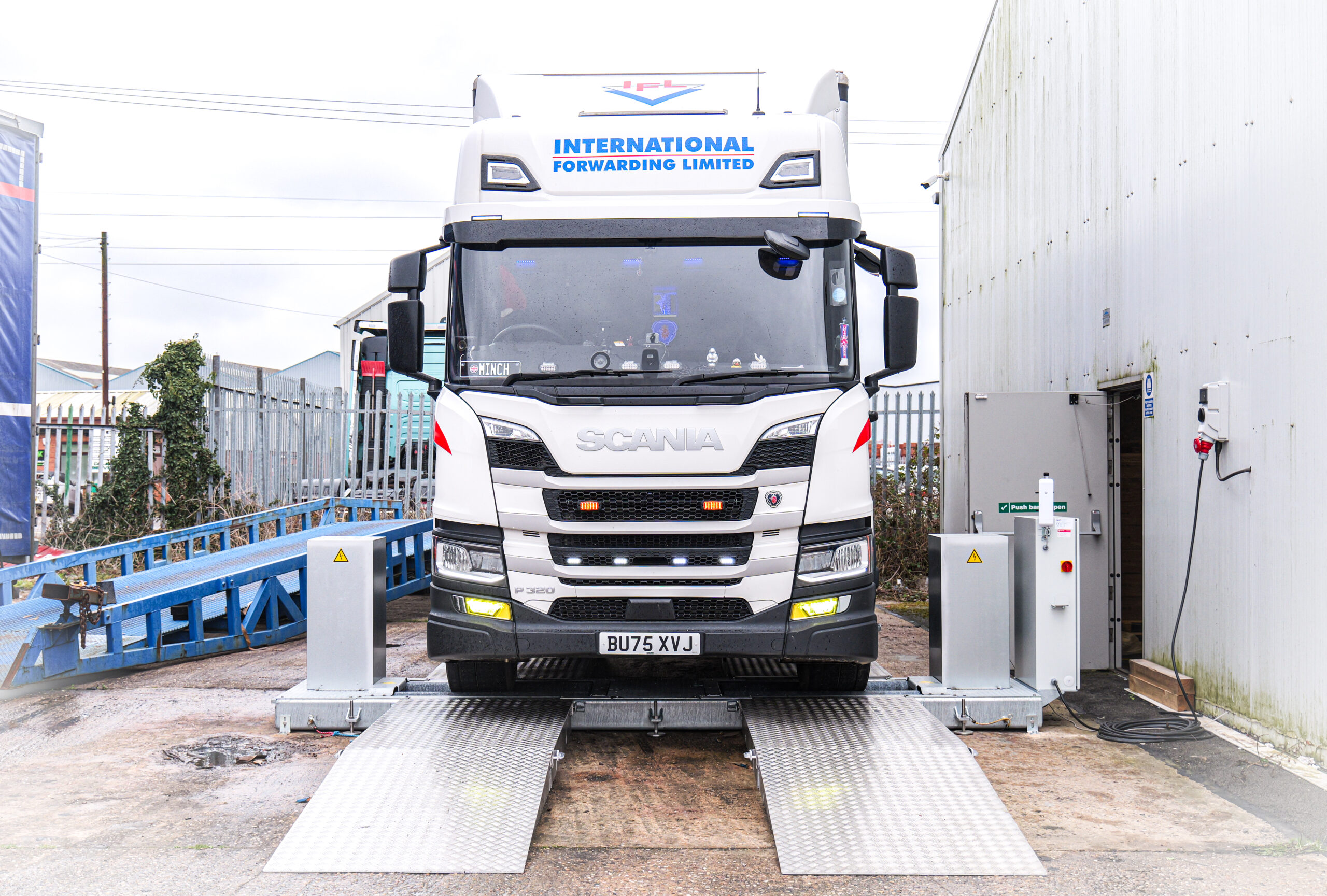
Mobile Brake Tester
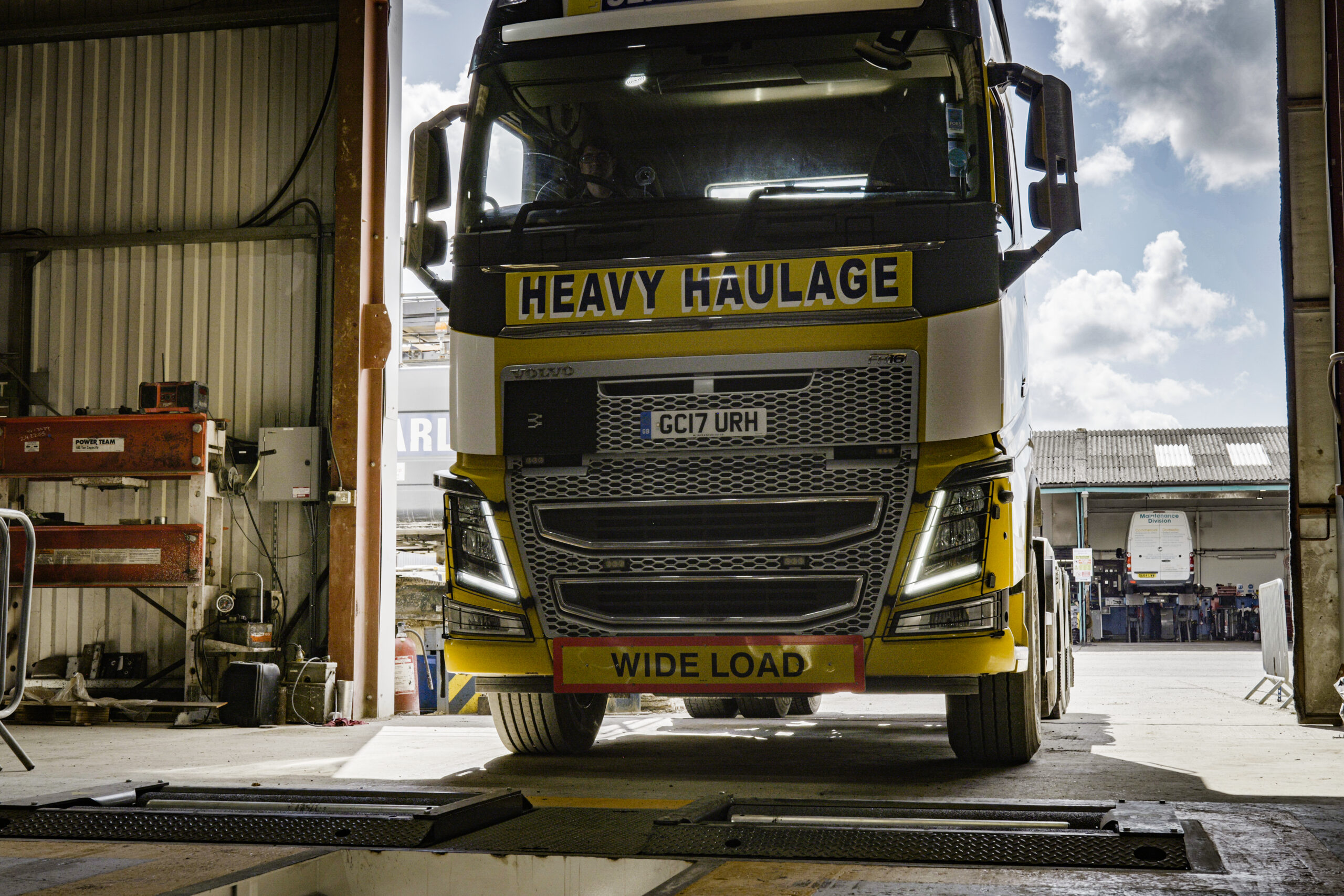
In-Ground Brake Tester
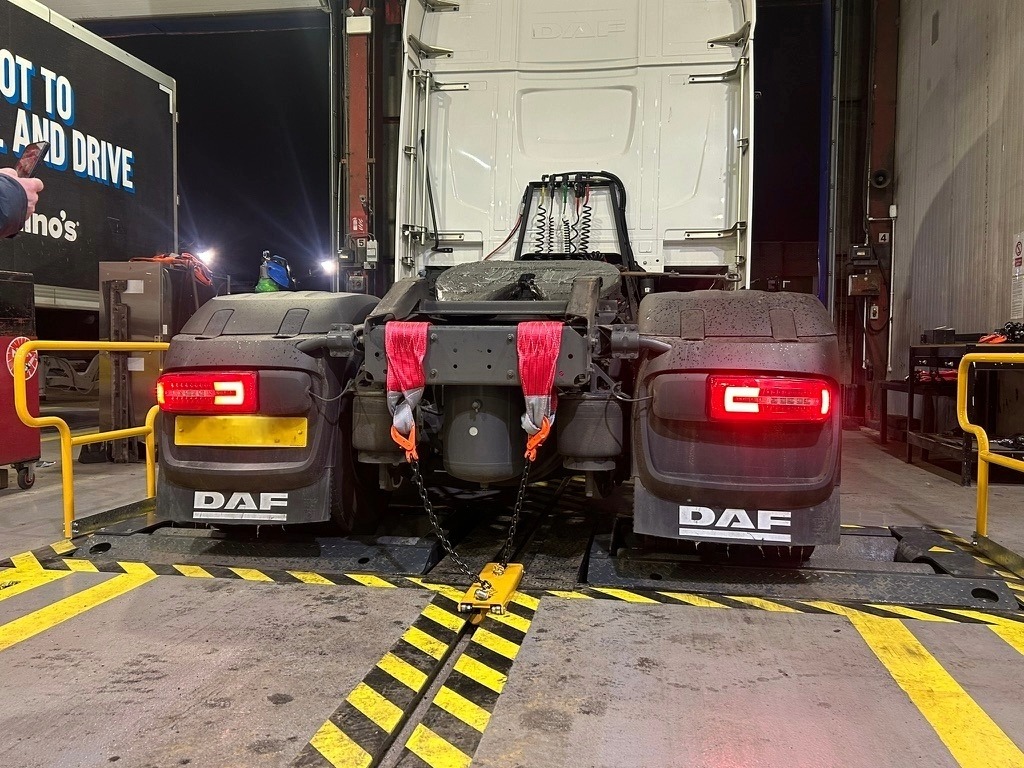
Load Simulation Brake Tester
Typical Recovery Workshop Configurations
-
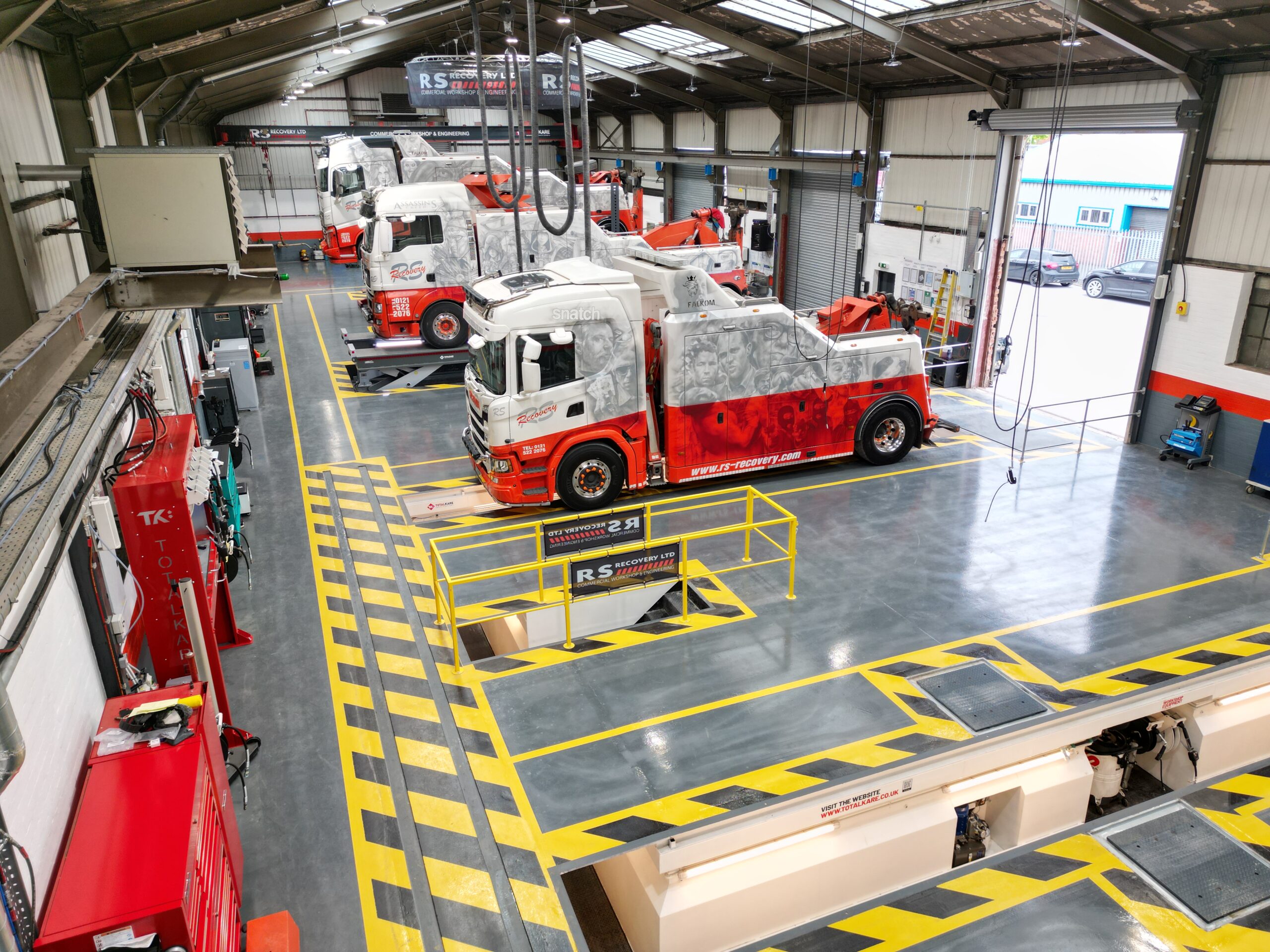
Response-ready depot setup
A workshop designed for immediate safety checks when vehicles return from callouts, allowing operators to confirm roadworthiness before the next deployment. -

Mixed fleet recovery operator setup
A flexible workshop handling heavy recovery trucks, transporters and support vans, enabling safe inspection across different vehicle sizes without complex setup changes. -
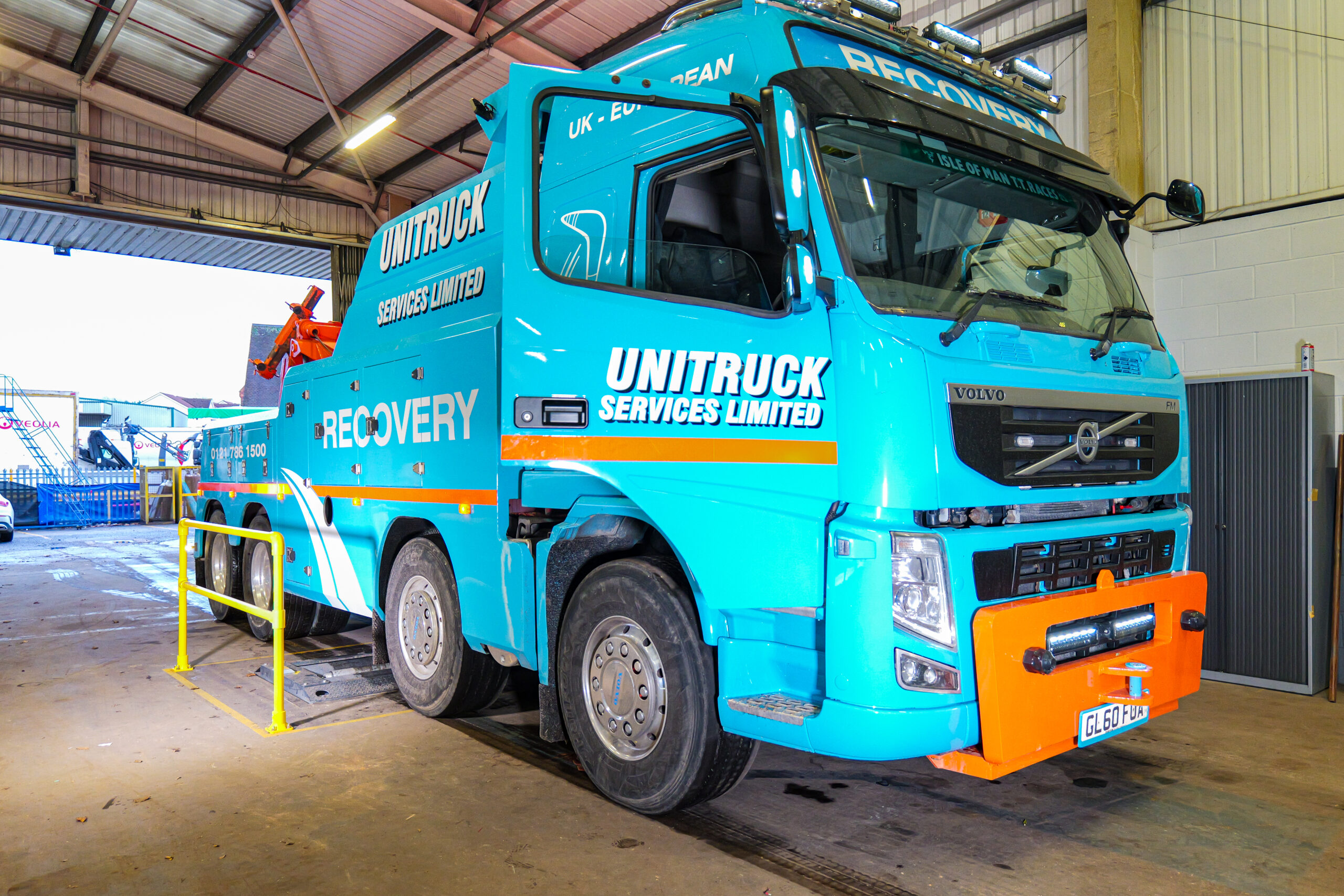
Independent recovery yard setup
A compact workshop supporting a smaller operator where space is limited but safe access and inspection capability remain essential.
Recovery Workshop FAQs
What equipment is required to maintain recovery vehicles IN-HOUSE?
Typical equipment includes heavy-duty four-post lifts, mobile column lifts, vehicle inspection pits, tyre changers, and compressors.
Why do recovery vehicles need specialist lifting considerations?
Recovery vehicles often carry heavy towing equipment, winches and lifting gear which can create uneven weight distribution. Specialist lifting systems are designed to safely support these vehicles while providing stable access to chassis components.
Can recovery vehicles be safely inspected without a dedicated workshop?
Basic visual checks can be carried out in operational yards, but a dedicated workshop provides a safer and more controlled environment for inspections and maintenance. Proper lifting equipment, inspection access systems and safe working areas allow technicians to carry out thorough safety checks and repairs before vehicles return to service.
Do recovery operators need brake testing equipment?
Yes, recovery trucks regularly operate under heavy loads when towing or transporting vehicles, so reliable brake performance is essential. Routine brake testing confirms vehicles remain safe and roadworthy.
Do you provide installation, commissioning and ongoing support?
Yes, installation, commissioning and ongoing servicing support is typically provided to ensure workshop equipment is installed correctly and maintained to the required safety standards. Regular servicing also helps ensure lifting systems and inspection equipment continue to operate reliably within demanding workshop environments.
What lifting equipment is commonly used in recovery vehicle workshops?
Heavy-duty vehicle lifting systems and mobile column lifts are commonly used because they allow technicians to safely lift large recovery trucks and transporters. These systems provide stable lifting capability and safe access for inspections and maintenance.
Can recovery workshops support both heavy trucks and smaller recovery vans?
Yes, many recovery operators maintain mixed fleets that include heavy recovery trucks, transporters and smaller support vans. Flexible lifting equipment and adaptable workshop layouts allow technicians to safely inspect and maintain vehicles of different sizes within the same facility.
How does an IN-HOUSE workshop improve recovery operator performance?
It allows operators to inspect and repair vehicles immediately after returning from callouts, reducing reliance on external service providers and improving operational readiness.