Waste Management
Workshop Equipment
Waste collection fleets operate on fixed daily routes where vehicle availability is essential.
Workshops must allow safe inspection and maintenance of refuse vehicles to keep collection services running reliably.

What Waste Fleet Workshops
Actually Need
Refuse vehicles carry heavy loads, operate frequently in stop-start conditions and rely on hydraulic lifting systems. Workshop facilities must support safe access, dependable inspections and routine maintenance without disrupting collection schedules.
- Reliable vehicle availability: stay on schedule by keeping vehicles operational
- Safe under-vehicle access: inspect lifting gear, bodies and mechanical components
- Hydraulic system checks: maintain bin lifting and compaction equipment
- Frequent inspections: identify wear caused by heavy use and repeated loading to minimise accidents and risks
- Flexible equipment: ability to maintain collection trucks alongside smaller support vehicles or skip loaders
- Reliable routines: organised bays, optimised for regular servicing
The workshop must support both safety and daily operational reliability.
Recommended Workshop Equipment
for Waste Operations
Waste fleet workshops are designed around safe inspection first, followed by lifting capability and supporting service equipment.
- Mobile Column Lifts – flexible lifting for refuse collection of varying wheelbase
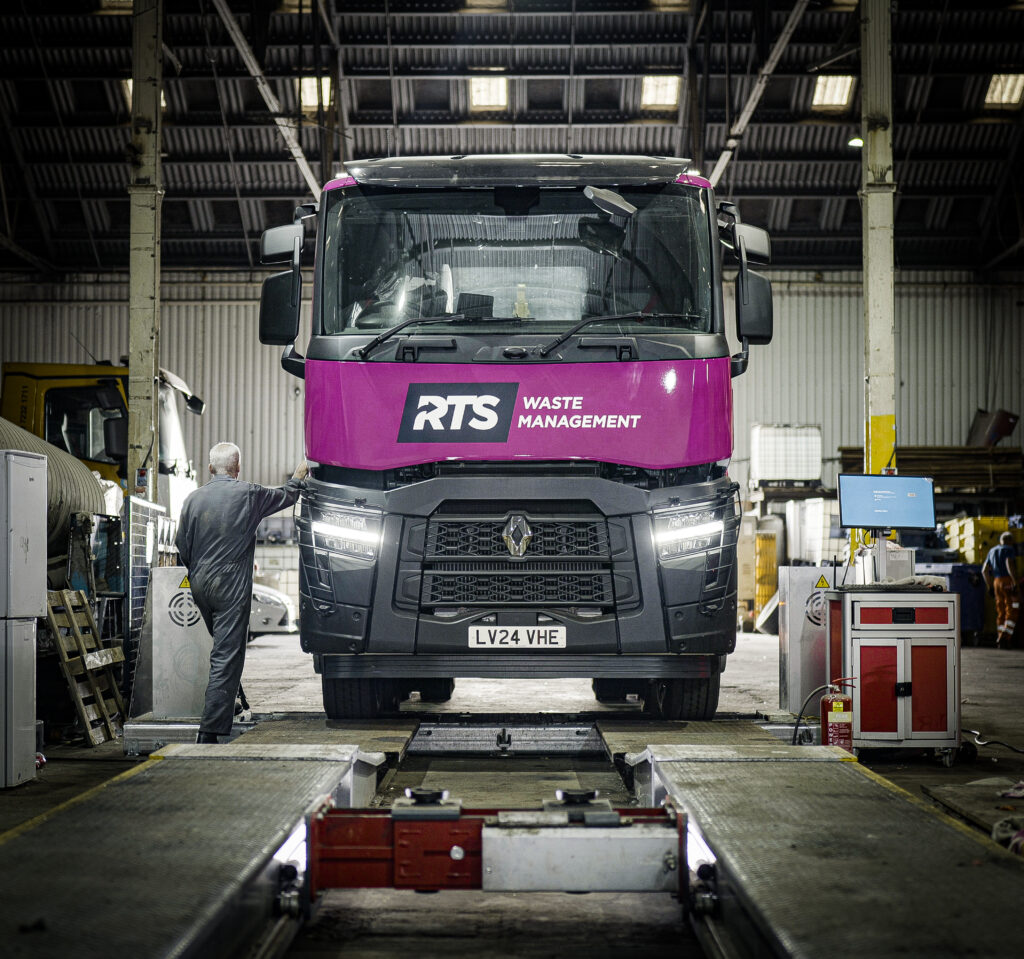
- In-Ground Brake Tester – fixed brake testing for high-volume fleet inspection programmes
- Vehicle Inspection Pits – quick and easy under-vehicle access for servicing and chassis inspection of all vehicle types
- Axle Stands – wheel access and chassis support during servicing and inspection
- TR23 Tyre Changer – manage heavy tyres quickly with minimal risks
- Compressors – compressed air supply for pneumatic workshop tools
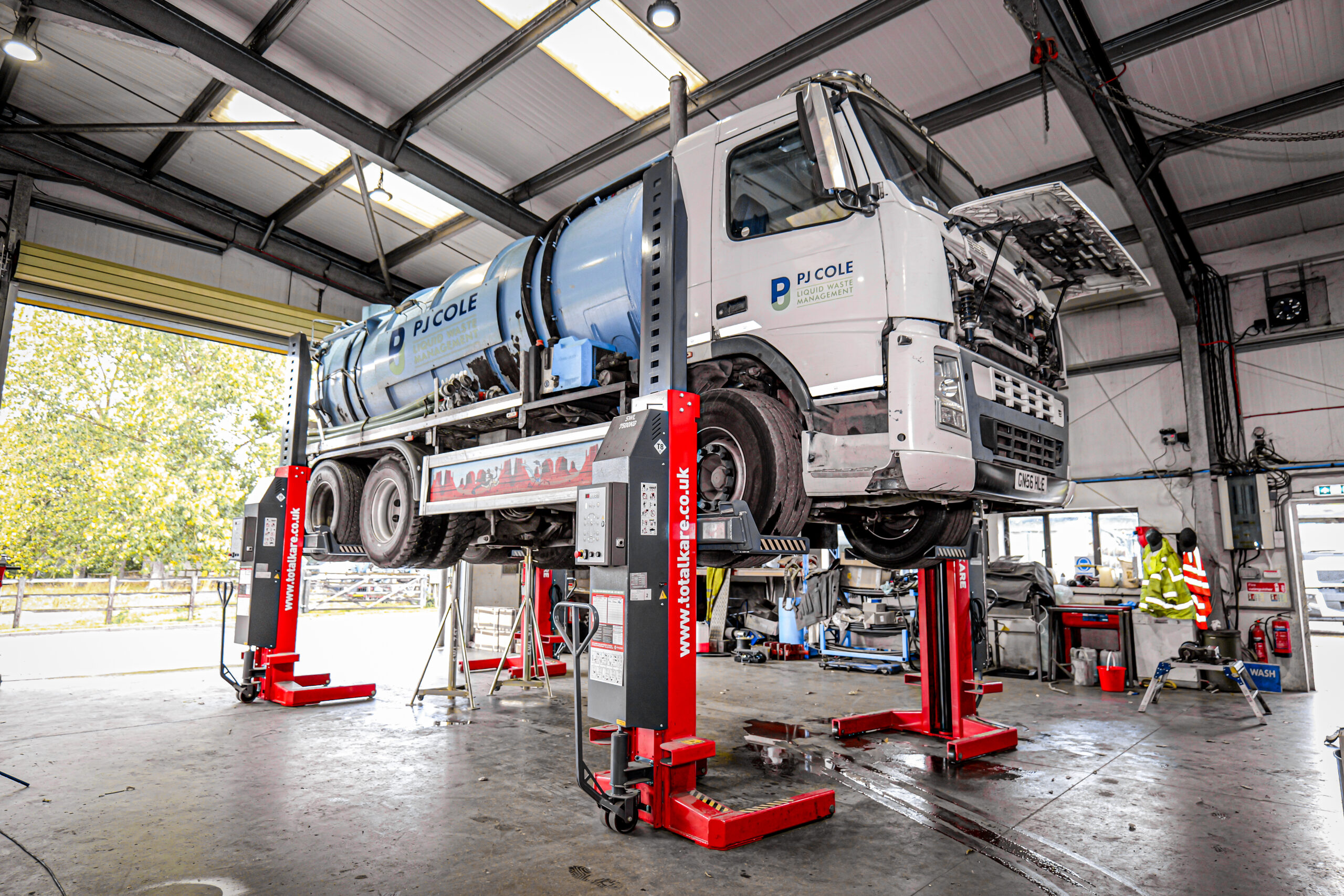
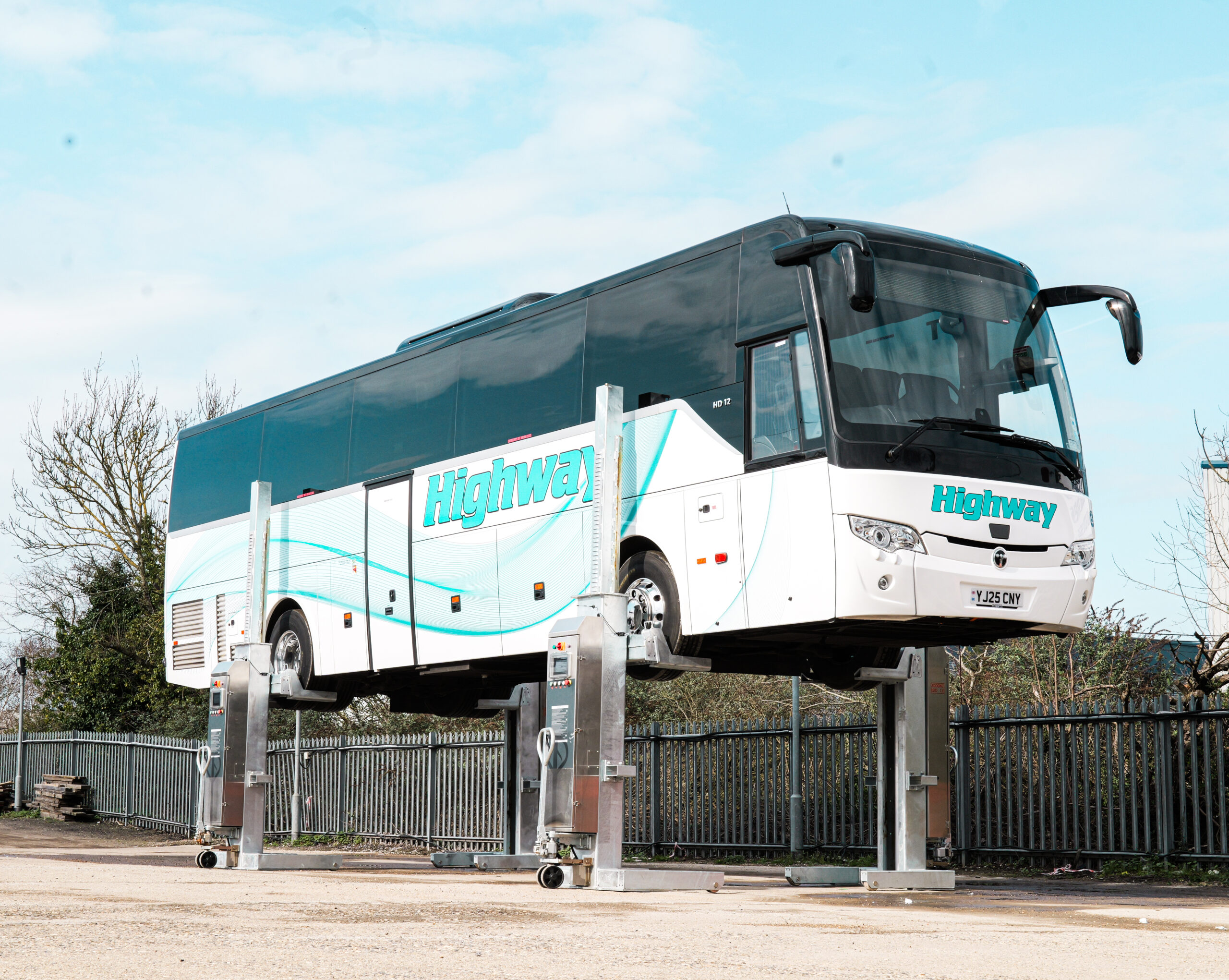
T8DC Cable Free Column Lift
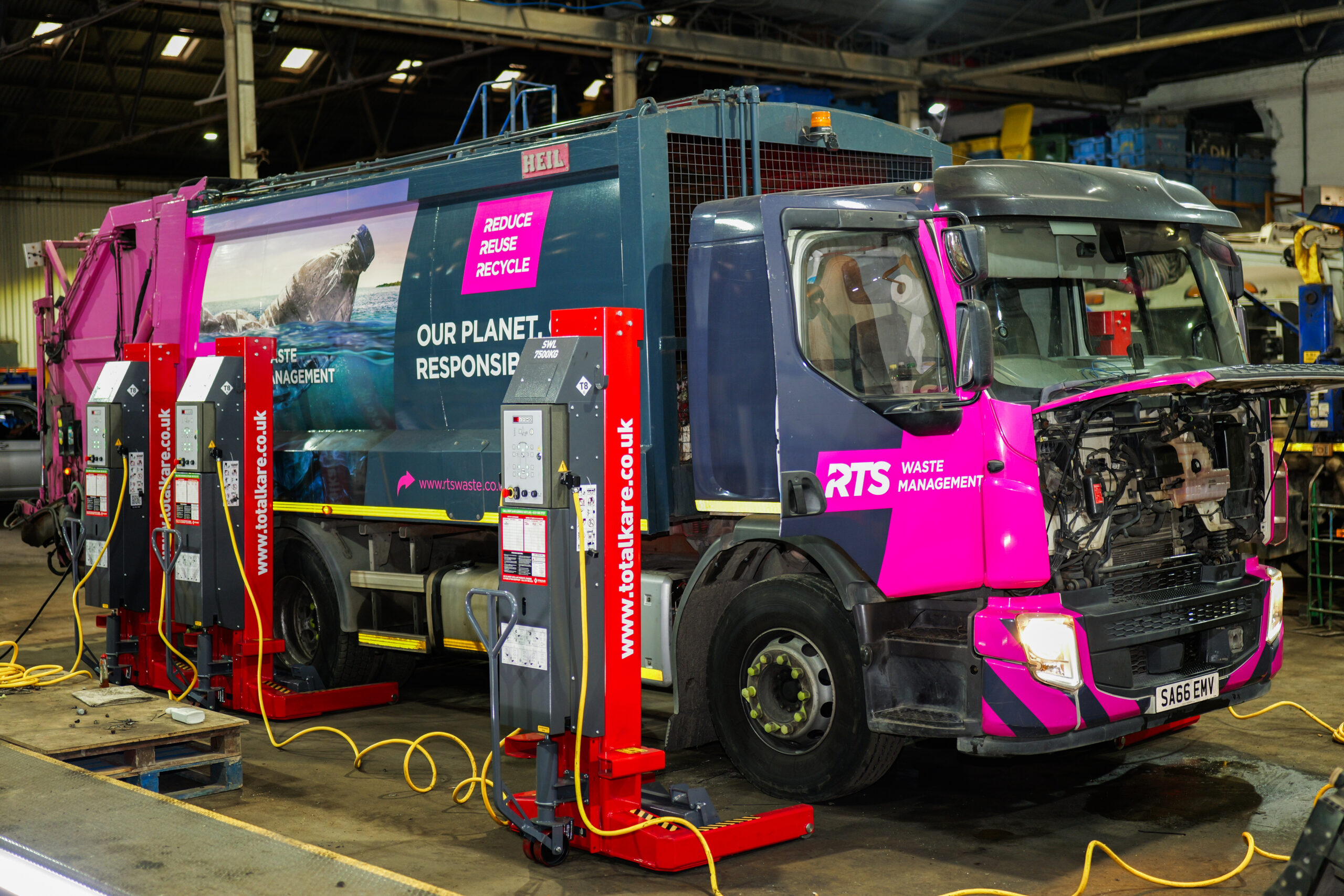
T8AC Cabled Mobile Column Lifts
G9DC Washbay Mobile Column Lift
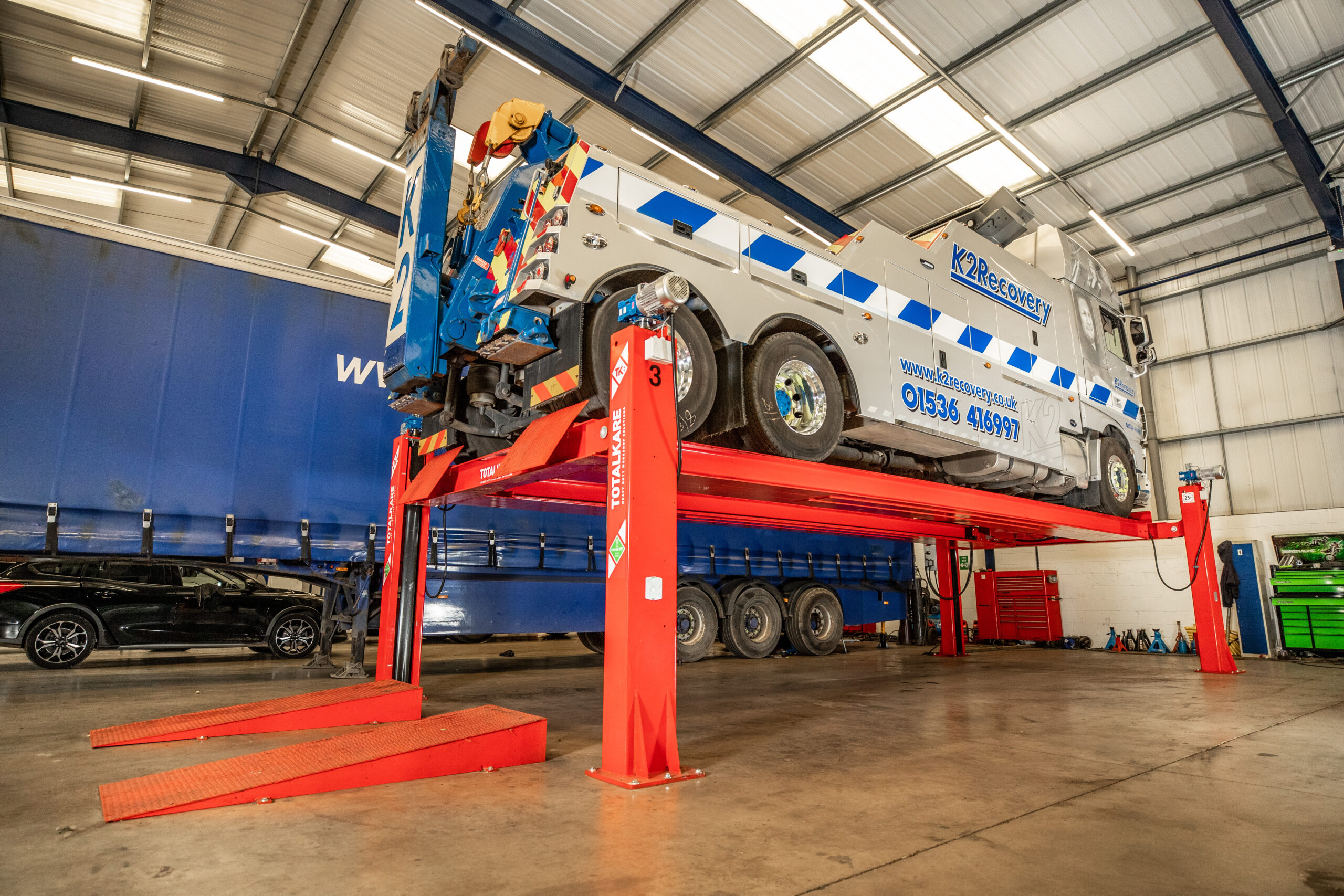
Heavy Duty Four Post Lift
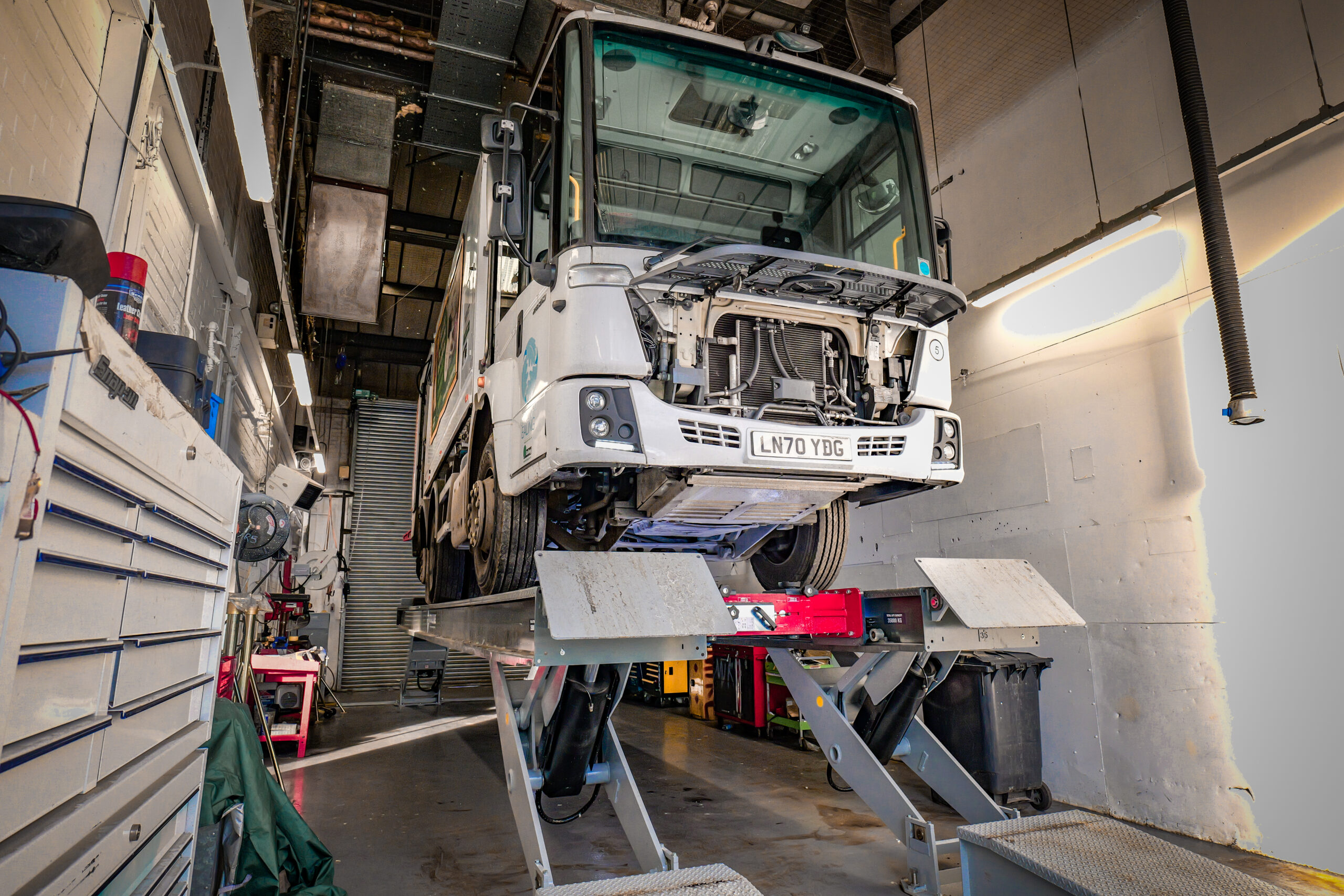
Heavy Duty Y MECH Lift

In-Ground Vehicle Lift

Pre-Owned Mobile Column Lifts
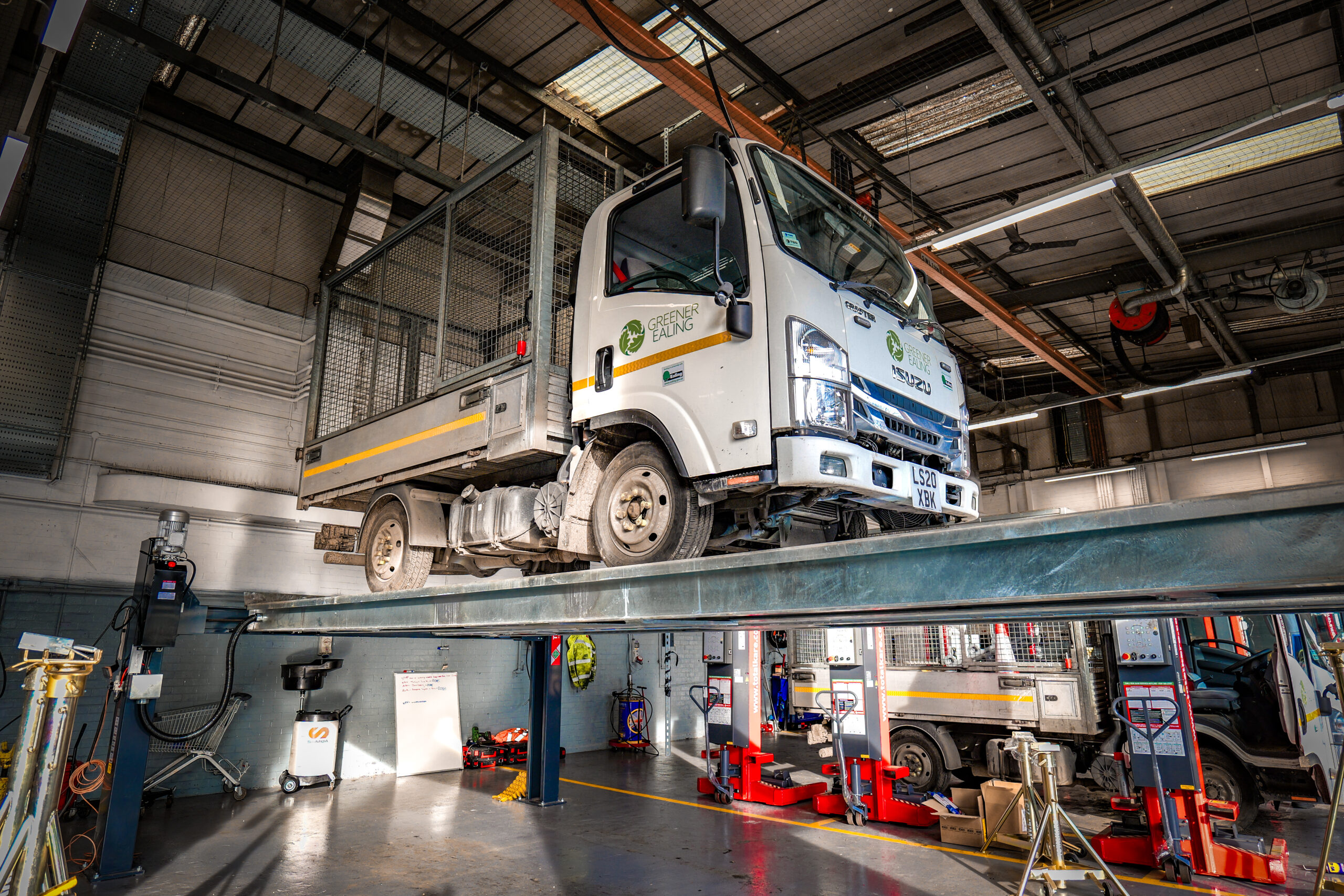
Light Commercial Four Post Lift
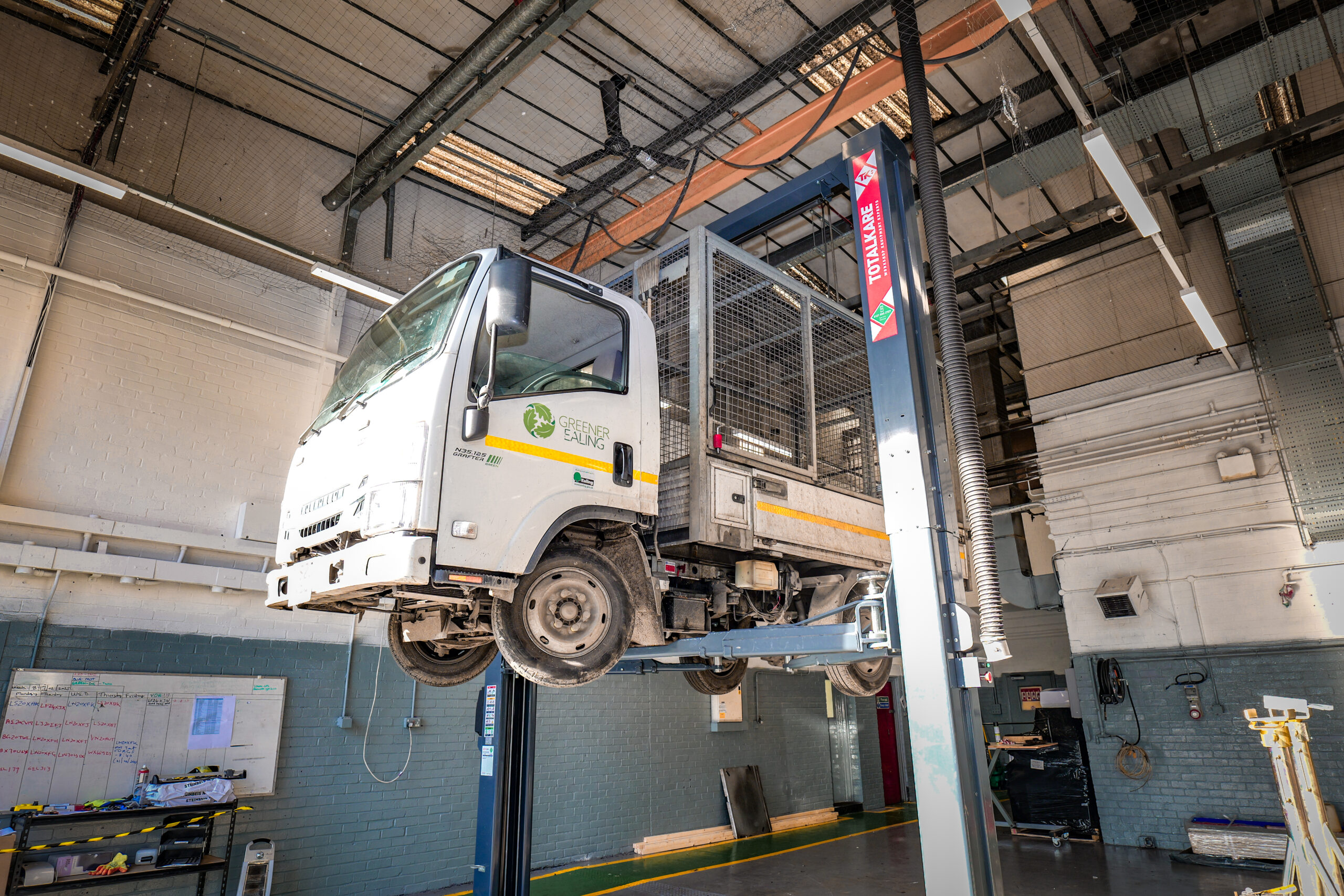
Two Post Lift
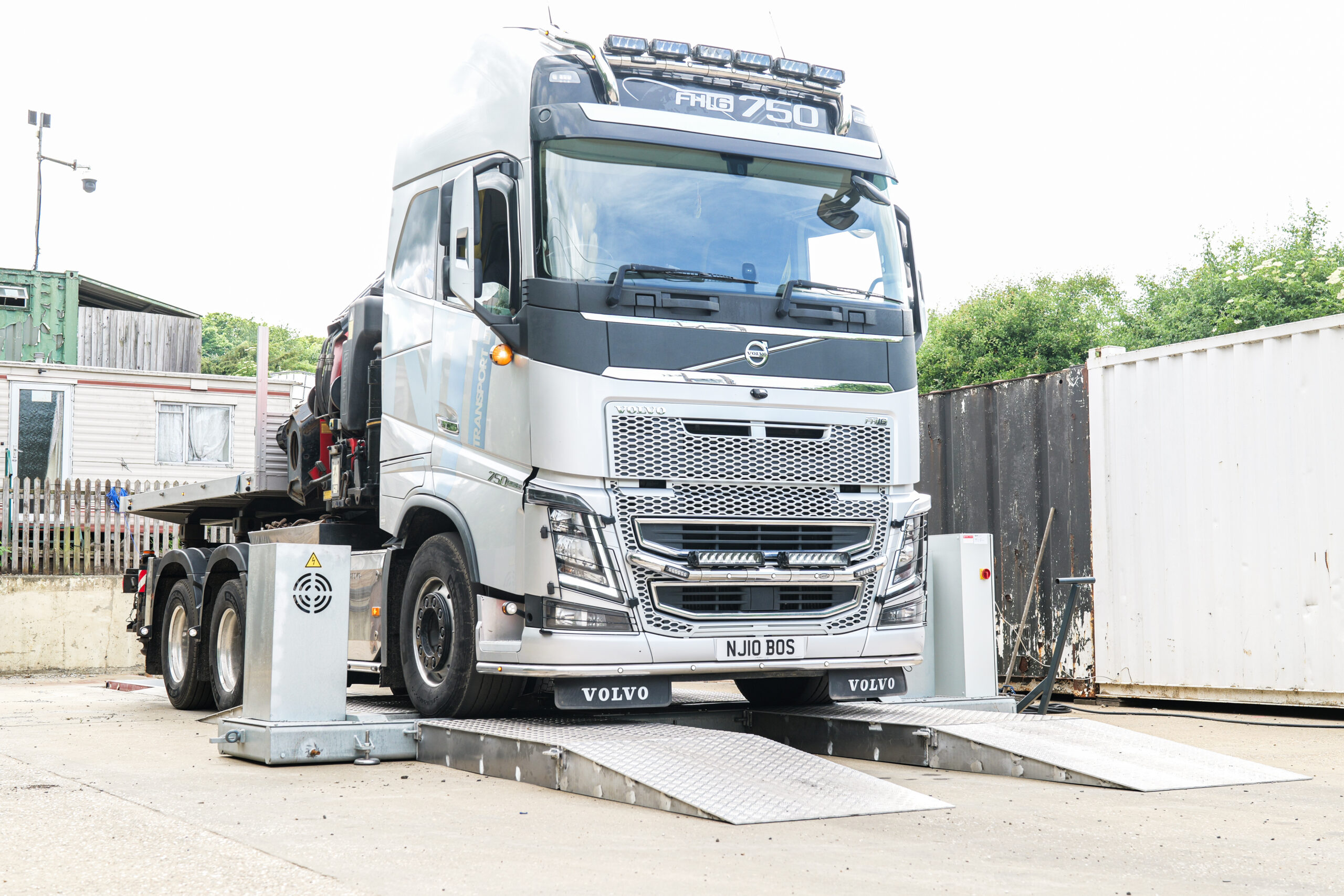
Mobile Brake Tester
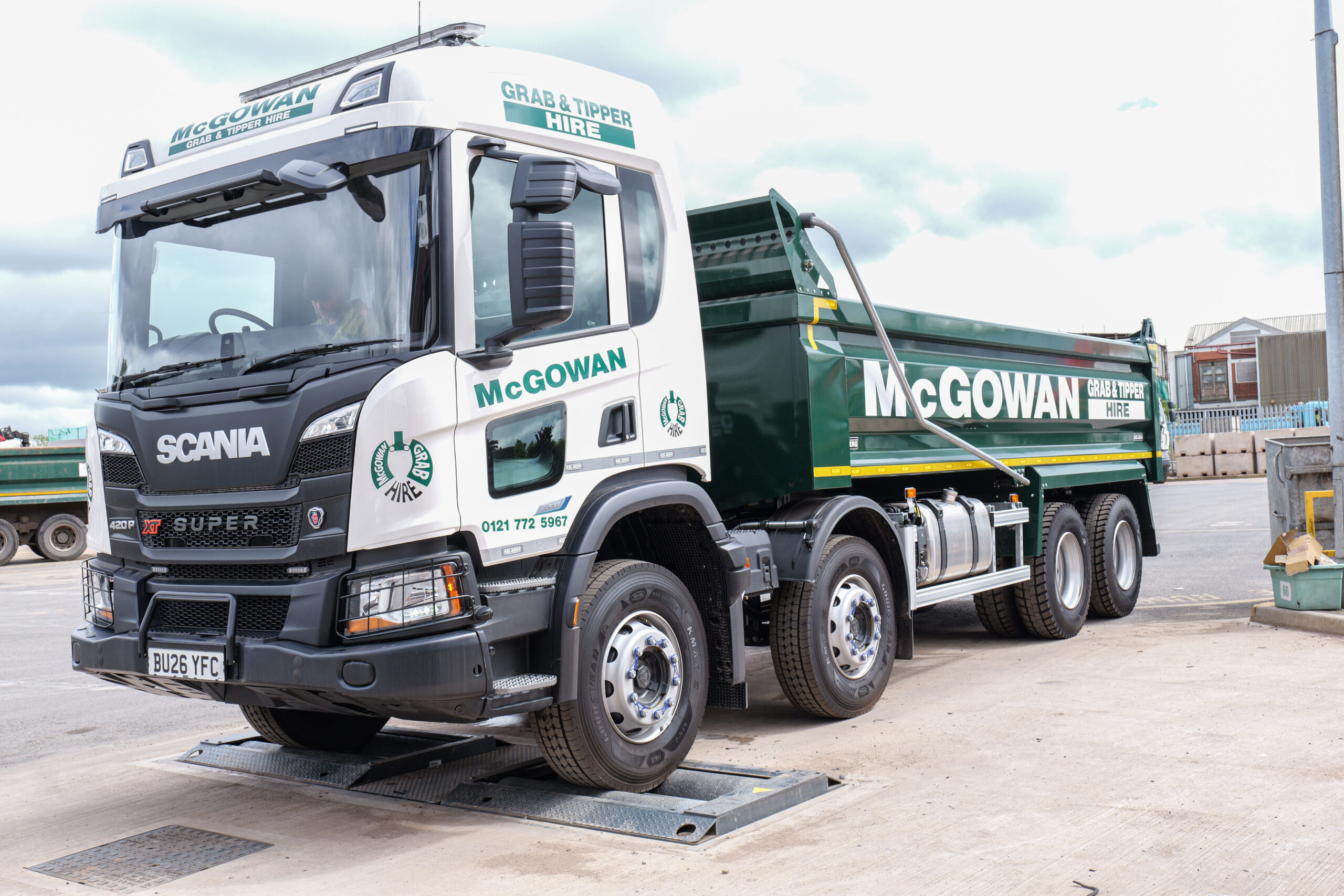
In-Ground Brake Tester
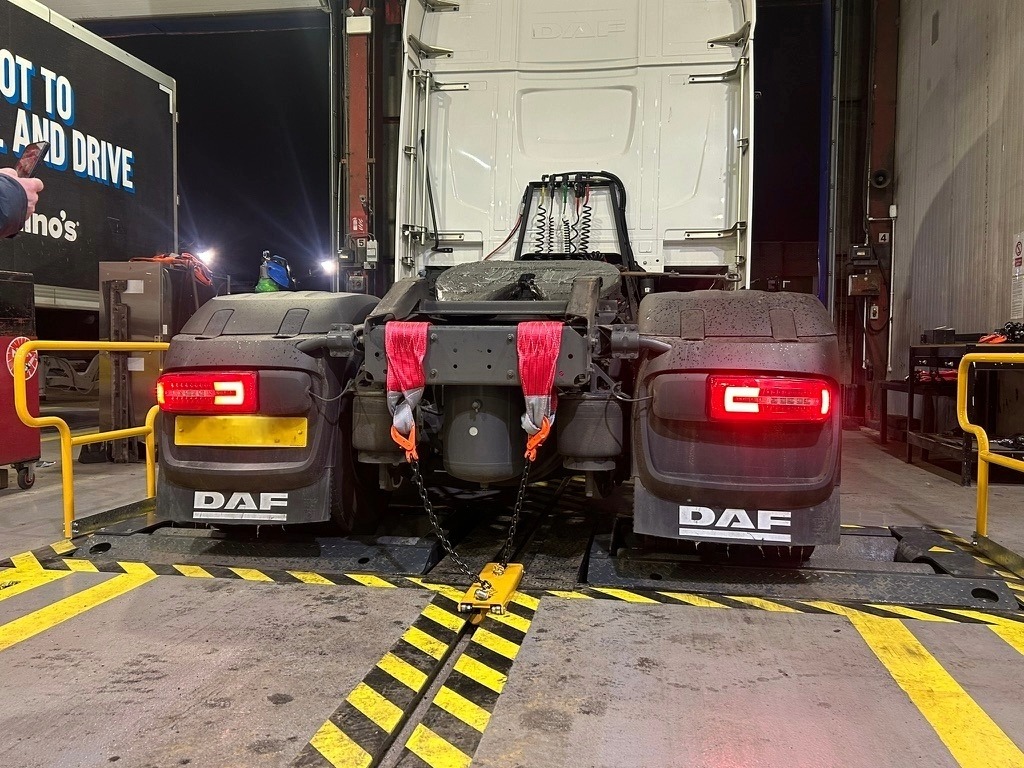
Load Simulation Brake
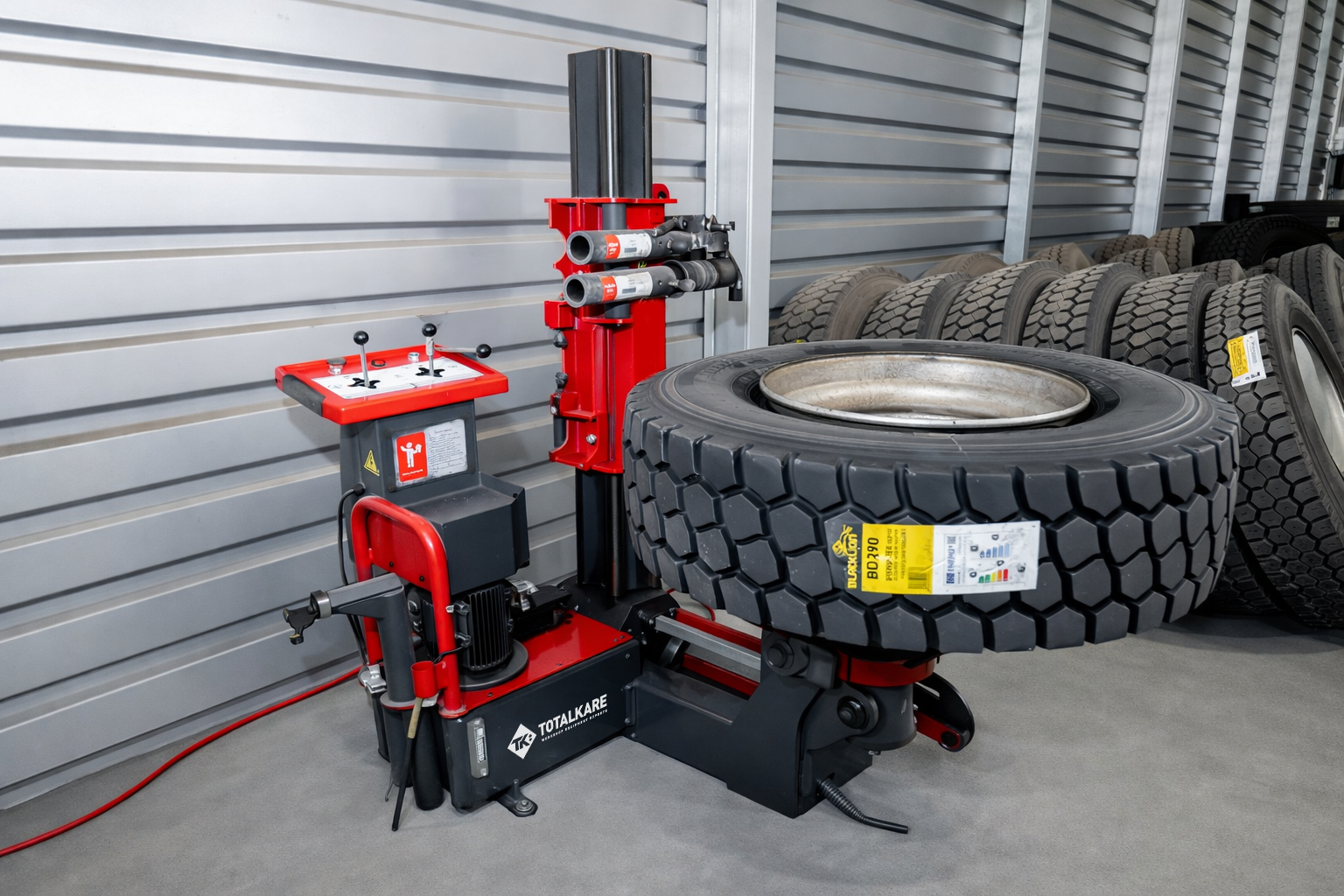
Tyre Changer
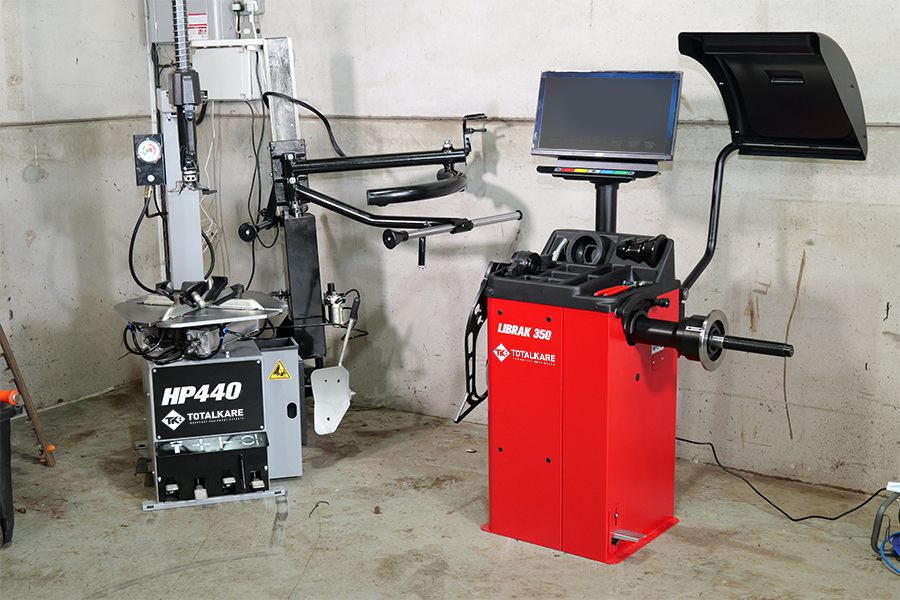
Wheel Balancer
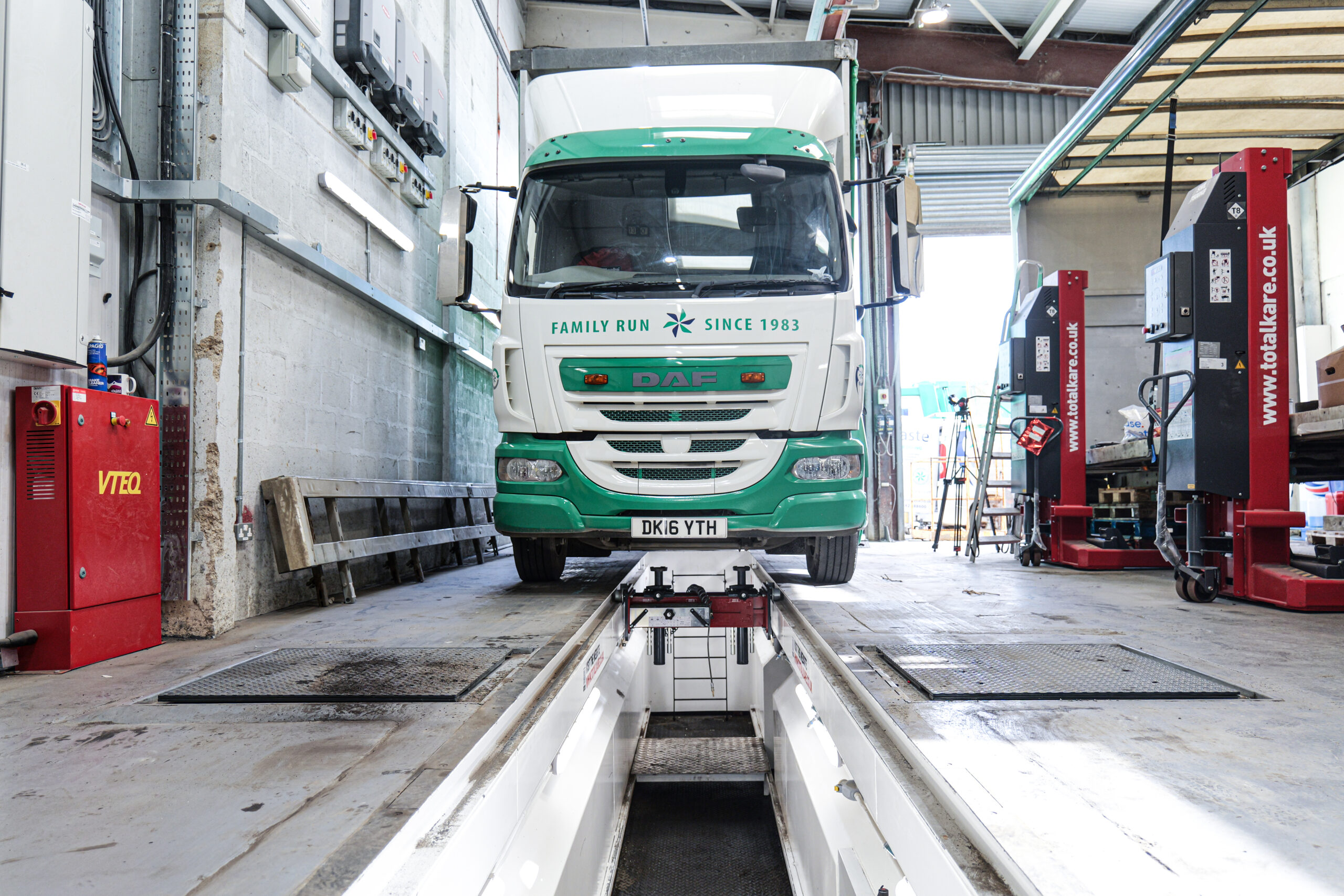
Vehicle Inspection Pit
Typical Waste Workshop Configurations
-
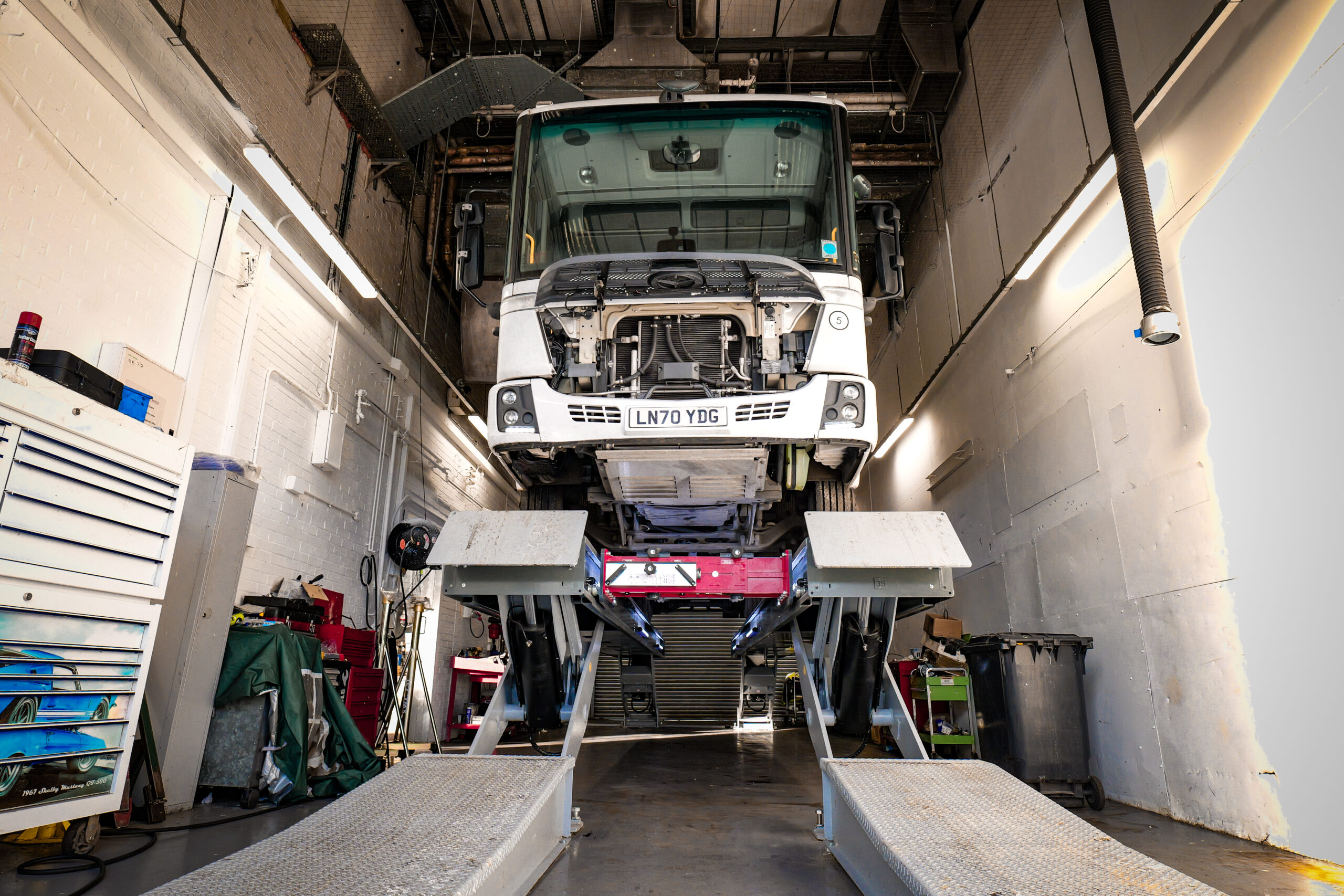
Municipal Depot Workshop
Routine inspection and maintenance of refuse collection vehicles under the care of the operating local authority. -
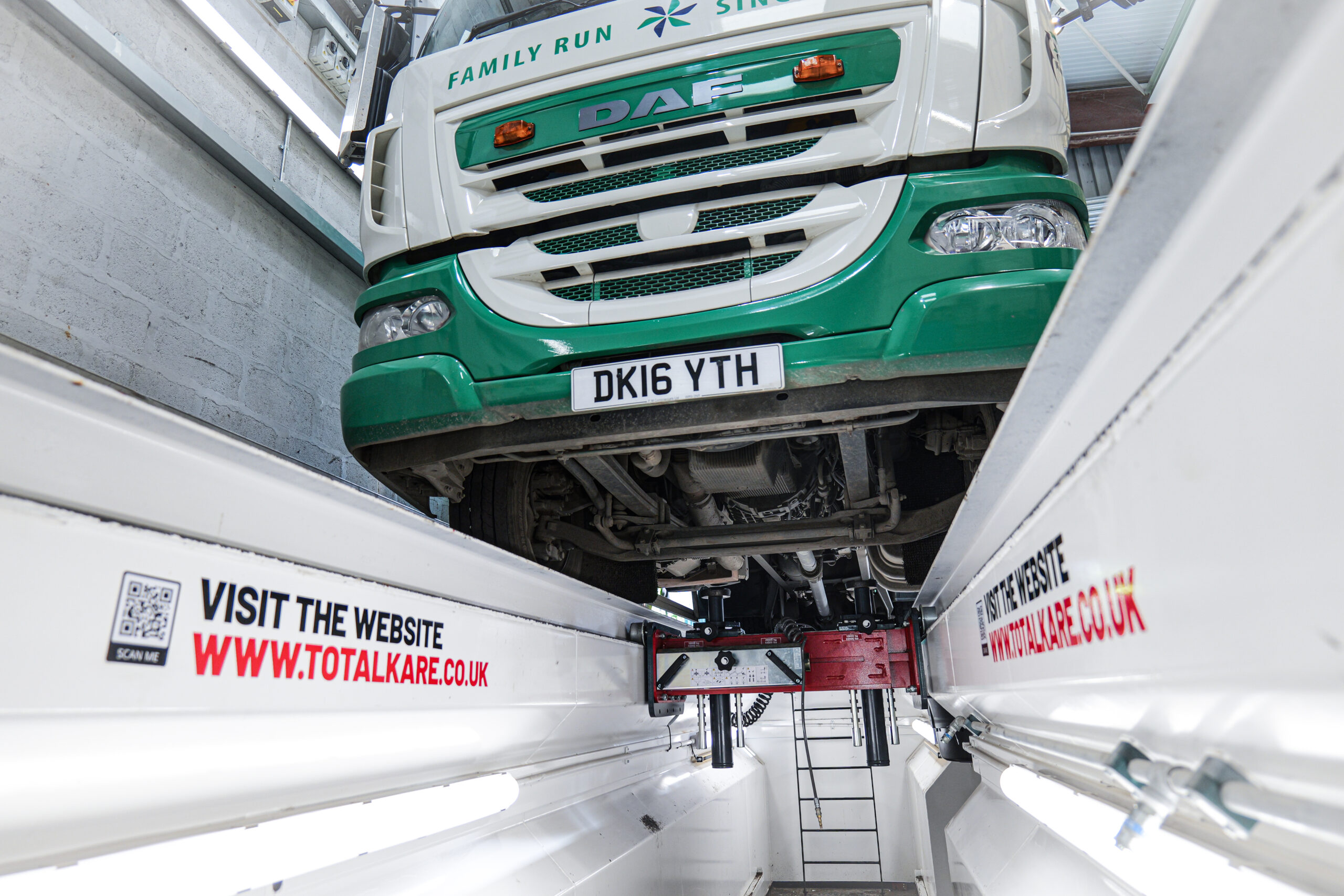
Private Workshop Facility
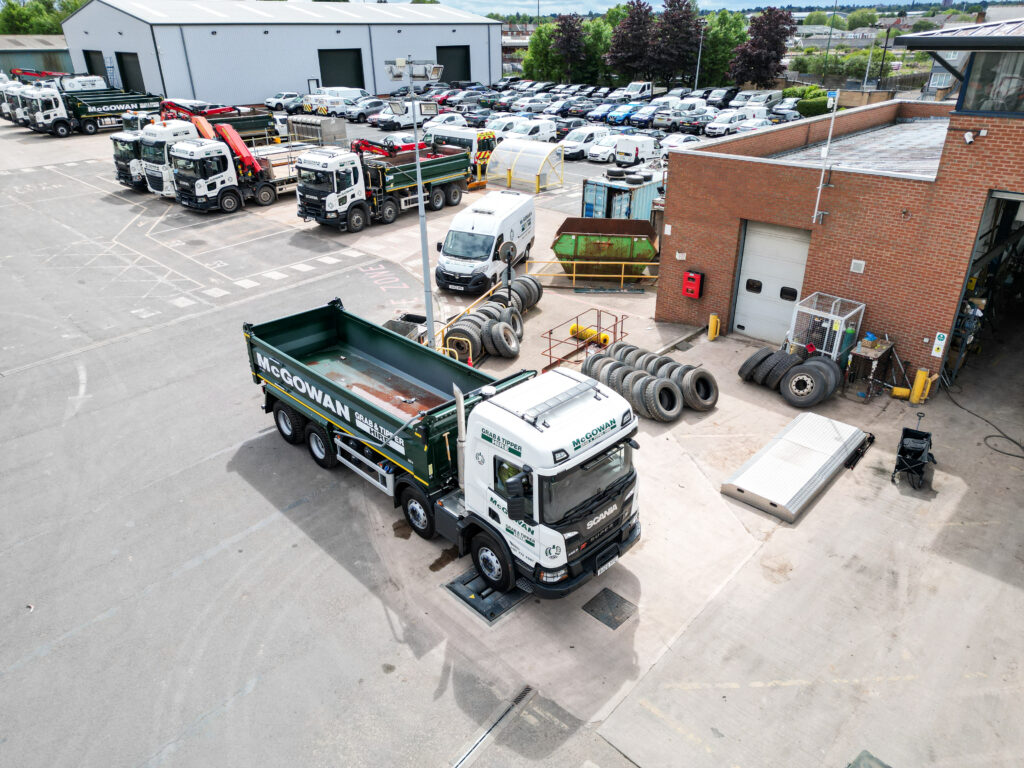
Dedicated contractor workshop environment maintaining operational fleet vehicles, supporting service vans or other municipal vehicles. -
External Mixed Fleet Workshop
An external facility supporting a range of vehicle types from multiple customers, including transport and collection vehicles.
Waste Management Workshop Equipment FAQs
What equipment is required to maintain refuse collection vehicles?
Maintaining refuse collection vehicles requires workshop equipment that allows safe inspection, lifting and servicing of heavy vehicles that operate daily. Typical equipment includes heavy-duty vehicle lifts or mobile column lifts, brake-testing equipment, inspection pits, access platforms, and support stands. Workshops also require hydraulic and pneumatic service tools to maintain complex mechanisms used on skip loaders and refuse trucks.
Why do waste vehicles need specialist lifting support?
Refuse collection vehicles are significantly heavier than standard commercial vehicles and often carry complex hydraulic lifting systems. Specialist lifting equipment, such as mobile column lifts or heavy-duty vehicle lifts, allows technicians to safely raise and stabilise these vehicles for inspection and maintenance. This ensures safe access to axles, chassis components, lifting arms and compaction equipment while maintaining workshop safety standards.
How often should collection vehicles be inspected?
Waste collection vehicles typically undergo frequent inspections due to their heavy usage and stop-start operating conditions. Daily walk-around checks are commonly carried out by drivers, whilst scheduled workshop inspections are performed at regular service intervals. These inspections help identify wear on hydraulic lifting systems, braking components and structural parts that experience repeated loading during normal operation.
Do you provide installation, commissioning and ongoing servicing support?
Yes, Totalkare offers full support services including installation, commissioning and ongoing maintenance. This ensures lifting systems, inspection equipment and safety systems are correctly installed and meet operational and safety requirements. Ongoing servicing also helps maintain equipment reliability and compliance with workshop safety standards.
Additional FAQs
What type of lifting equipment is best for refuse collection vehicles?
Mobile column lifts are commonly used for refuse collection vehicles because they allow flexible lifting of heavy trucks with varying wheelbases. They can be positioned around different vehicle types for flexibility and provide safe access for maintenance and inspection tasks.
Why is regular brake testing important for waste fleets?
Refuse vehicles operate in dense urban environments with frequent stopping. Regular brake testing ensures braking systems remain reliable under heavy loads and repeated stop-start operation, helping to maintain vehicle safety and compliance.
Can a waste fleet workshop support other commercial vehicles?
Yes, many waste fleet workshops are designed to support mixed vehicle fleets. In addition to refuse trucks, workshops often maintain service vans, transport vehicles, and other municipal fleet vehicles, all using the same inspection and lifting equipment.