

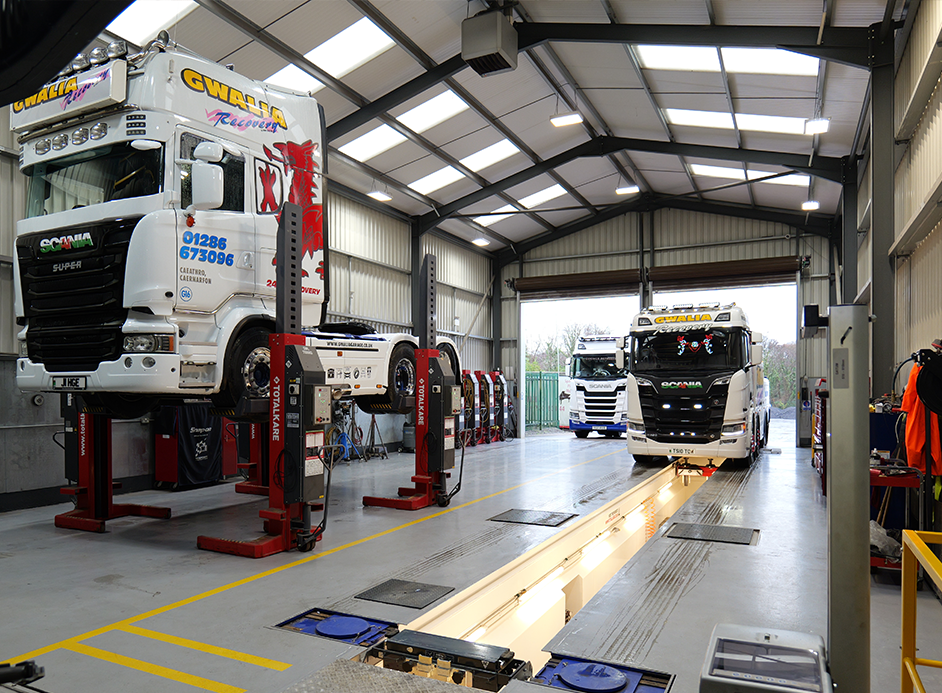

What workshop equipment is essential for maintaining vans IN-HOUSE?
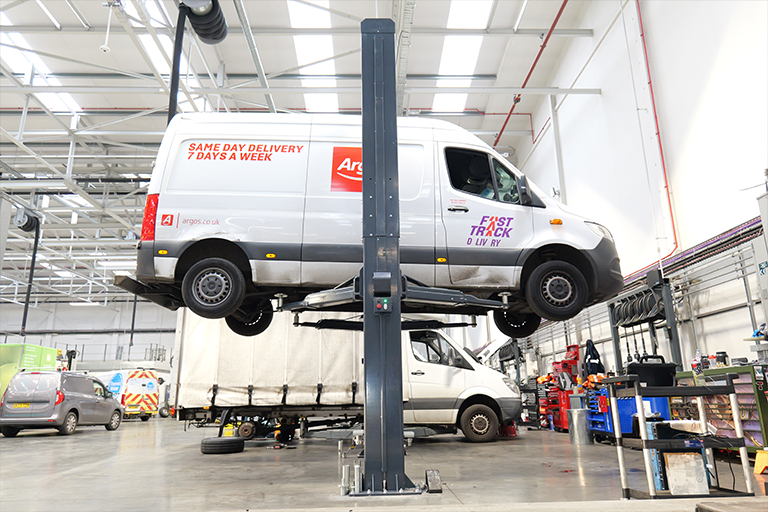
Maintaining vans in-house typically requires workshop equipment designed for light commercial vehicles and for frequent servicing. This usually includes two-post lifts suitable for vans, four-post lifts where inspection work is required, brake testing equipment, headlamp testing equipment, tyre changing and wheel balancing equipment, and general lifting support equipment. Compressed air and basic workshop service tools also allow technicians to carry out routine maintenance and repairs efficiently.
Do light commercial workshops need brake testing equipment?
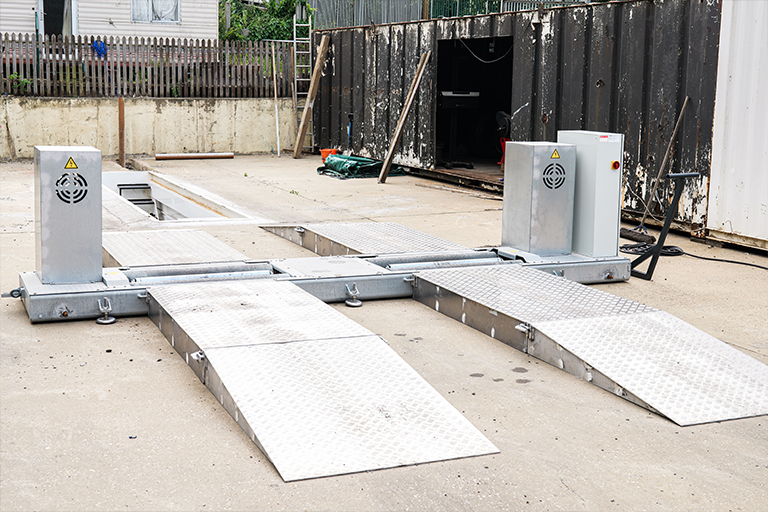
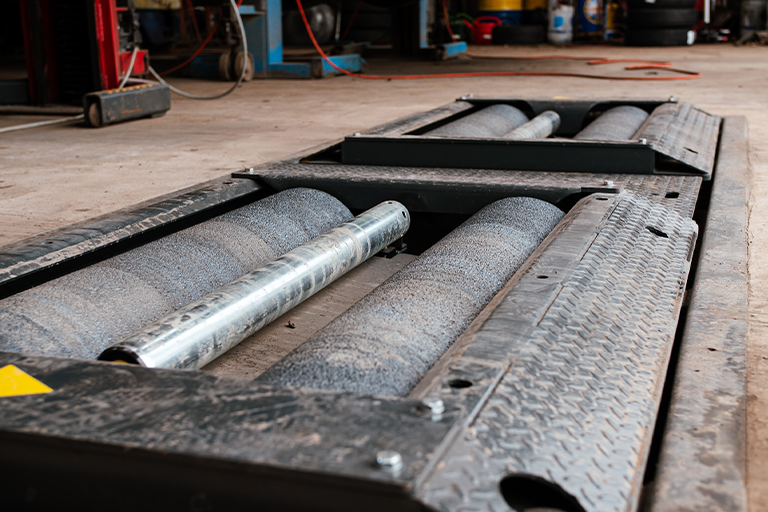
Yes, brake testing equipment is commonly used in light commercial vehicle workshops. Regular brake checks help confirm that vehicles remain safe and roadworthy, particularly when vans are used daily by engineers, installers and service teams. In-house brake testing also allows operators to complete inspections quickly without relying on external garages.
Is a two post or four post lift better for vans?
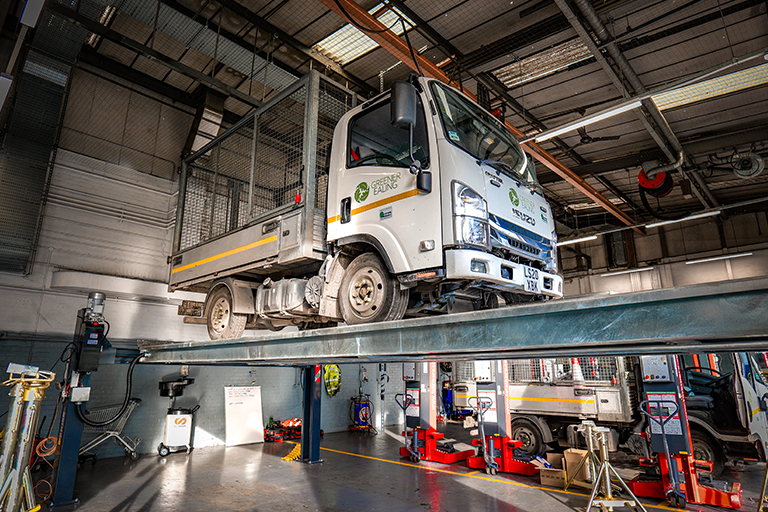
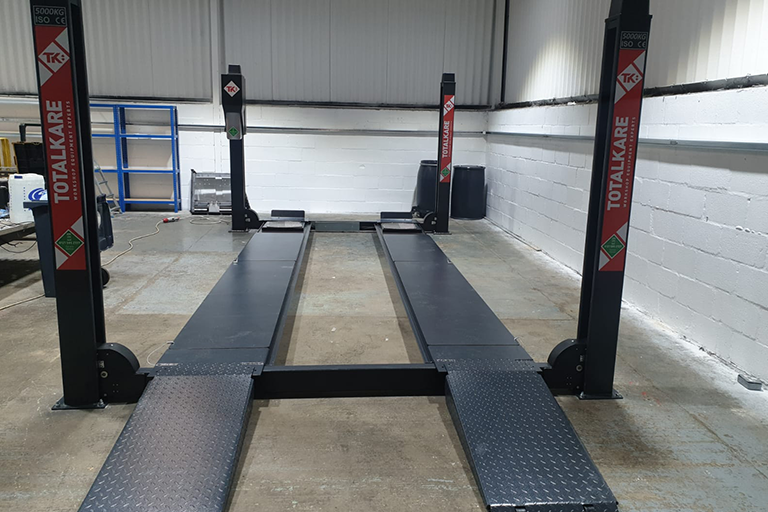
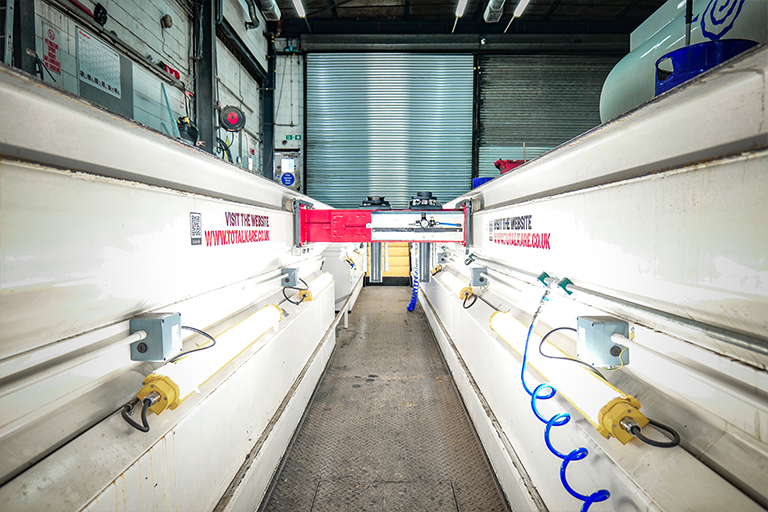
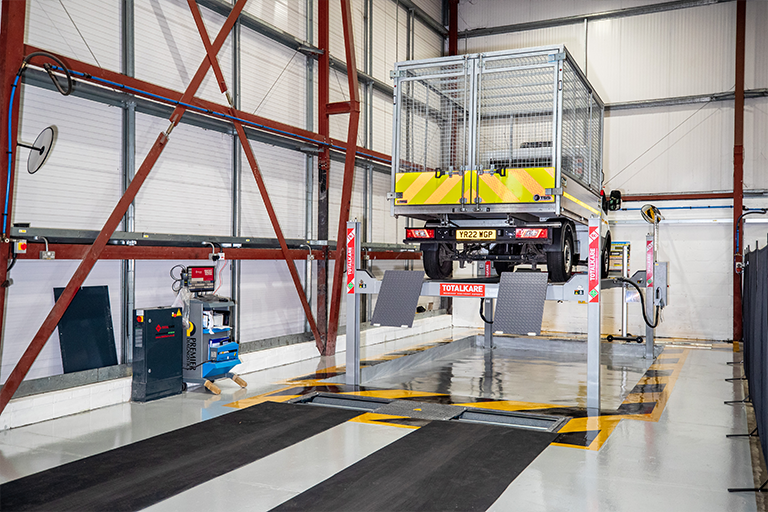
Both lift types are commonly used in van workshops. Two-post lifts are often used for routine servicing and repair work because they allow good access to under-vehicle components. Four-post lifts are typically used for inspections, alignment work, and situations where the vehicle needs to remain supported on its wheels during checks.
How do I know how many bays my workshop needs?
The number of workshop bays required usually depends on the size of the fleet, the daily vehicle return schedule and how quickly inspections need to be completed. Fleets with high daily usage may require multiple bays so several vehicles can be inspected and serviced at the same time, helping ensure all vans are ready for the next working day. Our teams are experts in workshop design and will be happy to advise based on your unique situation.
Do you provide installation, commissioning and long term servicing?
Yes, installation, commissioning and ongoing servicing support is typically provided to ensure workshop equipment is installed correctly and maintained to the appropriate safety standards. Regular servicing helps ensure lifting equipment and inspection systems continue to operate reliably in busy fleet workshops.
What lifting equipment is most commonly used in van workshops?
Two-post lifts are widely used in van workshops because they provide efficient access for routine servicing and repairs. Four-post lifts may also be used where inspection work or alignment checks are required, particularly in larger fleet workshops.
Can a light commercial workshop support mixed vehicle types?
Yes, many fleet workshops maintain vans alongside other vehicles such as small trucks or service vehicles. Flexible lifting equipment and adaptable workshop layouts allow technicians to safely maintain a range of vehicle sizes without disrupting workflow.
How does an IN-HOUSE workshop improve fleet availability?
An in-house workshop allows operators to inspect, service and repair vehicles quickly without waiting for external garage availability. This helps minimise downtime and ensures vans are ready for engineers and service teams at the start of each working day.