
Vehicle Inspection Pit Safety: 5 Features Every Workshop Should Look For
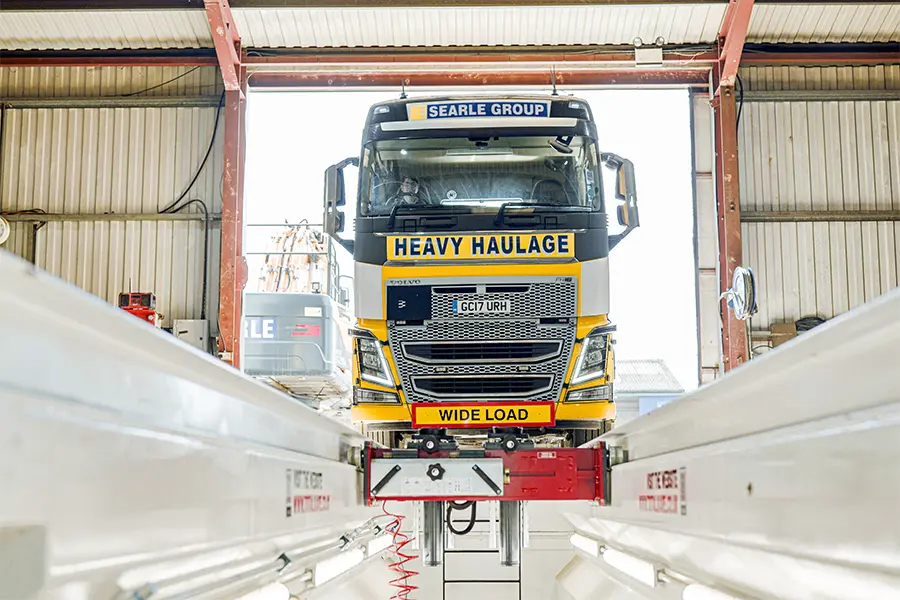
Workshops used to have their doubts about vehicle pits back in the day.
But today’s technology has come a long way – and so has the industry’s approach to health and safety.
Modern Vehicle Inspection Pit installations come with a multitude of safety features, evolved designs, and enhanced compliance standards. With the right understanding of what to look for, you can make sure you’re investing in the best possible installation for your premises.
In recent years, greater emphasis has also been placed on workplace safety, regulatory compliance, and equipment certification. This means workshop operators should not only consider practical safety features but also ensure their equipment meets current UKCA requirements where applicable.
Here’s what you need to know about today’s vehicle pits – and the modern safety features that make them more attractive than ever before.
1. Markings and Signage
Just like any workshop equipment, a Vehicle Inspection Pit comes with some risk. But a large chunk of those risks can easily be mitigated with one simple precaution:
Creating awareness.
Any high-quality vehicle pit that’s installed by a reputable supplier will come with markings and signage as standard — with the aim of making it almost impossible for your teams to ignore the location of your pit (and the hazardous areas that come with it).
So what does that mean in practice?
It means making sure you’re choosing a pit that’s installed with:
- High-visibility paint at the edges of the pit
- Highlighted pit edges (around 150mm wide) as a guide for your drivers
- Strategically placed mirrors to help your drivers see their own wheels
- Clear and obvious signs to keep your teams alert (such as “OPEN PIT”)
These simple measures remain some of the most effective safety controls available and should form part of every Vehicle Inspection Pit installation.
2. Pit Covers
When we think about safety, it’s easy to focus on an inspection pit while it’s being used: the vehicles driving into position, and the technicians climbing in and out.
But an unused pit is easier to overlook. Without the activity and movement of being physically occupied, an empty pit is harder to notice – and that can lead to complacency and reduced awareness from your teams.
So what’s the solution?
As well as visual signs and markers, you can add physical barriers to keep your pit safe when it’s not in use.
The best Vehicle Inspection Pit installations come with options for robust Pit Covers – a temporary ‘floor’ that slides into position to create a sturdy platform for technicians to walk across safely.
With the right Pit Covers in place, there’s effectively zero chance that someone can take a misstep into an open pit. Modern Pit Covers are also designed to withstand daily workshop use and can comfortably support the weight of personnel carrying out servicing tasks.
An additional benefit is flexibility. Technicians can work directly above the pit using the Pit Covers, reducing the need to reposition vehicles and helping improve workshop productivity.
3. Guardrails and Chains
Markings and signage are an essential visual warning for any pit installation. But for an extra level of safety, the best pits will come with options for physical boundaries as well as visual ones.
When teams are distracted or working under pressure, they might not always notice high-visibility paint and signs. But with the added precaution of guardrails and chains around the edges of your pit, they’ll receive a tactile reminder that cannot be ignored.
And if someone loses their footing, a guardrail or chain can physically prevent a fall in a way that signage alone cannot.
These physical barriers aren’t just important around the perimeter of a Vehicle Inspection Pit. They’re also essential for any steps, ladders, platforms, or bridges associated with the installation.
Many modern workshop safety assessments now recommend layered safety measures, combining visual warnings with physical protection to minimise risk wherever possible.
4. Anti-Slip Surfaces
No matter how well you train your staff, there’s always a chance of a slip or trip. In an environment where oils, water, and other workshop fluids can be present, it’s crucial to make every step as safe as possible.
That’s why every high-quality pit installation should include anti-slip textures on as many surfaces as possible – both around the edges of the pit itself and on every ladder and staircase technicians use.
Anti-slip finishes have become increasingly important as workshops focus on reducing workplace accidents and improving compliance with health and safety best practices.
When combined with other safety features such as Pit Covers, guardrails, and clear signage, anti-slip surfaces help create a safer environment for everyone working around a Vehicle Inspection Pit.
5. Safe and Efficient Lighting
Just like any working area that requires precision and accuracy, the right lighting in an inspection pit is essential.
But it’s not just about creating a well-lit area to help technicians move safely and see the job at hand.
It’s also about choosing lighting systems that are suitable for use in a restricted environment.
A Vehicle Inspection Pit is a confined space that may not always benefit from the same airflow and ventilation as the rest of the workshop. As a result, lighting must be designed with safety in mind.
That’s why modern pit installations typically feature low-heat LED lighting systems with high ingress protection ratings. These fittings are resistant to dust, moisture, and workshop contaminants while providing bright, reliable illumination.
When purchasing new equipment, it is also worth checking whether components and installations meet relevant UKCA requirements. Choosing a supplier that understands UKCA obligations can help provide additional peace of mind regarding compliance and quality standards.
Why UKCA Compliance Matters
As workshop equipment standards continue to evolve, operators should look beyond basic functionality and consider compliance credentials as part of the buying process.
The introduction of UKCA marking has placed greater emphasis on demonstrating that equipment intended for the UK market meets applicable safety requirements. While specific obligations can vary depending on the product and installation, working with an experienced supplier can help ensure your workshop investment aligns with current expectations.
For many operators, selecting a Vehicle Inspection Pit designed and installed with UKCA considerations in mind is another step towards creating a safer and more future-proof workshop environment.
Ready to See How Safe a Modern Vehicle Inspection Pit Can Be?
No matter where you source your next pit installation, you should always look for the highest levels of safety, quality, and compliance from an experienced supplier.
Our Vehicle Inspection Pit systems are designed with all the modern safety features workshops expect, including robust Pit Covers, anti-slip surfaces, advanced lighting, and practical safety barriers.
With extensive experience delivering installations for commercial workshops and fleet operators across the UK, our team understands the importance of safety, efficiency, and compliance. We can also advise on considerations surrounding UKCA requirements to help you make an informed investment.
So if you’re looking to upgrade your premises – or simply want to learn more about modern vehicle pit technology – get in touch with one of our experts and discover exactly what today’s inspection pits can do.