
Top 5 compliance failures in workshop equipment testing (and how to avoid them)
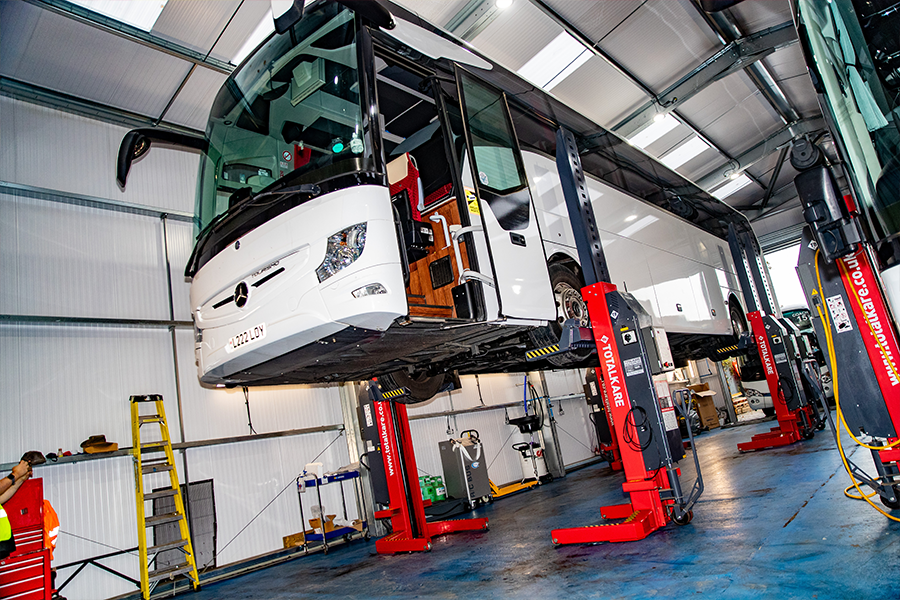
With so much equipment under one roof (and so many regulations to follow), staying compliant can feel like a full-time job.
Even the best workshops can let things slip. But the consequences of compliance failure can have a severe impact on your business and your finances — which means you can’t afford to be relaxed about the rules.
So how can you avoid the most common compliance failures?
Here’s what you need to know:
1. A lack of inspections
Not every piece of workshop equipment needs a formal inspection. But there are conditions where the safety of equipment requires one.
That means carrying out inspections:
- When the equipment is installed or reassembled (before first use)
- At ‘suitable intervals’ (where the equipment is likely to deteriorate)
- After exceptional circumstances (such as damage, modifications, or a change in how it’s used).
That covers the necessary formal inspections. But it’s also good practice to go beyond that — with additional frequent inspections to reduce your risk of a compliance failure later.
That could look like:
- Quick visual checks of the basics before each use (cables, lights, points of contact)
- Weekly checks of non-basic things (safety features, pressure gauges, load-bearing components)
- Deep inspections a few times a year (a full examination that looks at every detail).
What’s important is that you build instructions and training that match the level of each inspection. If your daily checks are too complex and long, your teams may start to rush through them (or skip them entirely).
You need to find a balance that ensures safety — without becoming a burden or slowing things down.
2. Generic risk assessments
There’s plenty of risk in any vehicle workshop. And that means plenty of activities that need a risk assessment.
At a minimum, HSE requires you to:
- Identify hazards
- Determine the likelihood (and severity) of an incident
- Take action: to remove the hazard or minimise the risk.
Some workshops fail because of a lack of risk assessments. They might ignore equipment they think is low-risk — or they can’t keep up with the number of risk assessments they need.
But there’s another danger that can lead to compliance failure:
Surface-level risk assessments that aren’t tailored to the equipment and job at hand.
A good risk assessment will look at:
- How people really use the equipment (or misuse it)
- The surroundings and circumstances it’s used in
- The different vehicles, materials, or applications it’s used for.
3. Neglecting maintenance
Even the best equipment needs a tune-up. And under HSE regulations, it’s an absolute requirement.
You need to:
- Keep all equipment in an efficient state and good repair
- Keep any maintenance logs up to date
- Carry out maintenance with people who are competent, trained, and have enough information.
For some workshops, it’s that last point that’s especially difficult. Not every workshop will have the right skills and experience on-site, especially for maintaining complex equipment like heavy-duty vehicle lifts.
That’s why lots of workshops lean on outside help to keep their equipment routinely maintained — often with a service contract from a reputable supplier to give them confidence in staying compliant.
4. Poor calibration
This is closely tied to good maintenance practices. But with testing equipment, it’s especially important.
Modern testing equipment is sensitive and precise. With delicate components and a rough workshop environment, your tools can slide out of balance over time.
It’s a critical safety issue for the vehicles you’re servicing, especially with equipment like brake testers and headlamp testers.
But it’s also a safety issue for the equipment itself:
Equipment like torque tools and hydraulic presses are designed to apply exact forces, and give accurate feedback to the technicians using them. If they’re used with poor calibration, your staff could overload the components they’re working on, causing serious incidents with a severe risk of harm.
5. Incomplete records
No matter how compliant your workshop is, it’s all for nothing if you don’t keep the right records.
When the time comes for an audit or a visit from the HSE, you need watertight proof that you’ve been following their regulations.
That means keeping accurate and up-to-date records of your:
- Risk assessments
- Equipment inspections (usually not required for daily pre-use checks)
- Maintenance logs
- Certificates and ROTE (Reports of Thorough Examination).
While these records don’t have to be filed as paper (they can be digital), they do need to be organised and easily accessible — both to your managers and teams, and to any visiting DVSA or HSE inspector.
Need help staying compliant?
With so much complexity (and so much at stake), it’s no easy task to stay on top of the regulations.
That’s why lots of our customers choose help from the experts, with an ongoing service contract to take some of the weight off their shoulders.
Our Afterkare package comes with regular service visits from a qualified technician to give your workshop equipment the inspections, maintenance, and repairs that keep your equipment compliant — as well as the certificates and paperwork you need to prove it.
Take a look through our different service levels to find what you need — or chat with an expert to talk about your options.