
5 questions to ask before you install resin workshop flooring
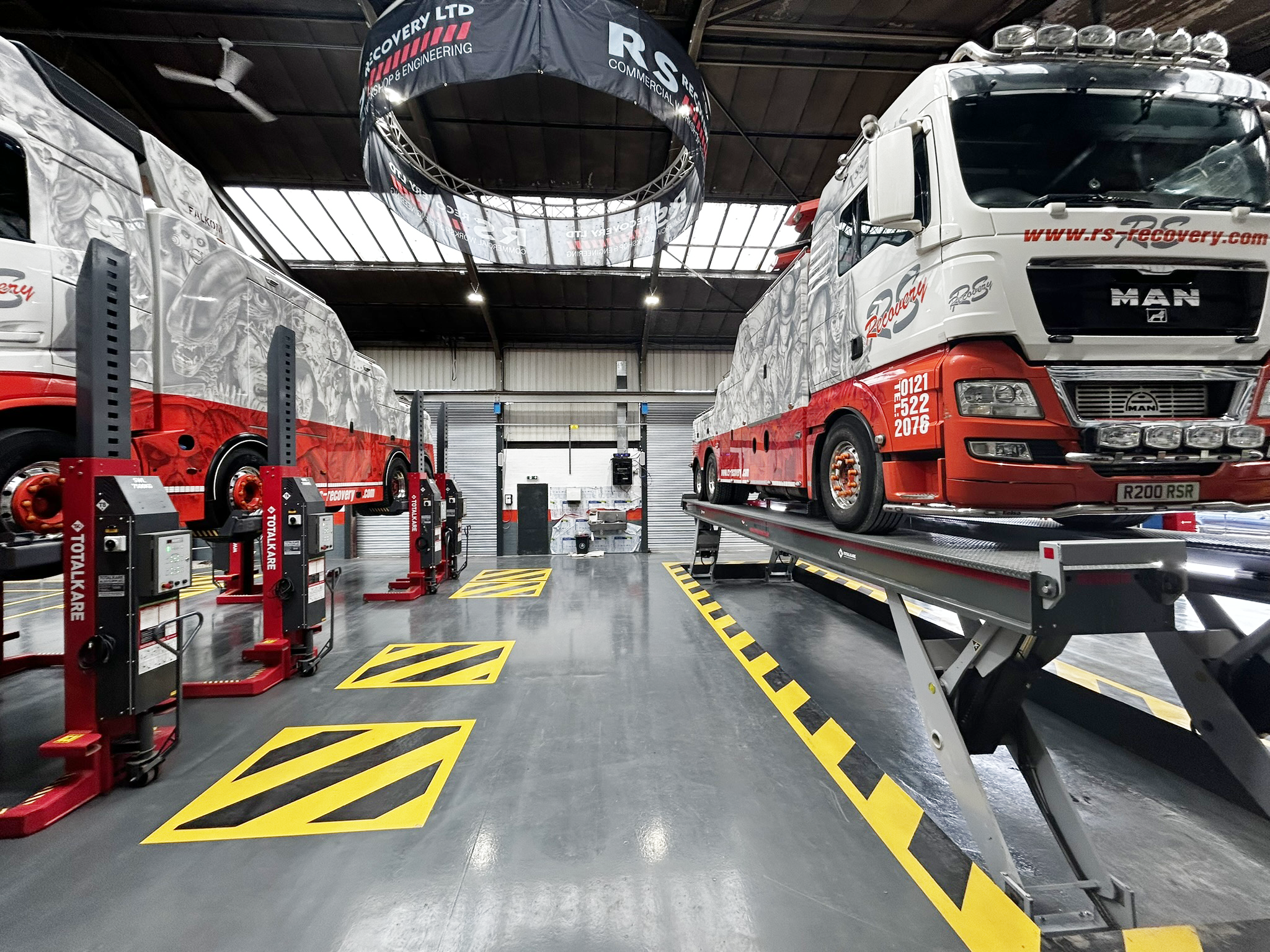
If you’re looking for a refit or setting up a new shop, the flooring in your workshop is something you can’t ignore.
But while most companies know their equipment inside and out, they’re not usually experts on workshop flooring.
We often include resin flooring as part of our workshop installations. And after talking to clients as we guide them to the right choices, we’ve learned exactly what they need to know at the earliest stages.
Here are the questions you should be asking your installer:
1. What type of resin do I need?
There’s a wide range of different resins you can use for your workshop flooring.
But in most cases, it comes down to two popular options:
- Polyurethane resin (PU)
- Epoxy resin
They’re both great choices for most workshops. They’re strong and durable, resistant to chemicals, and easy to clean. But there are some differences you need to know.
Polyurethane (PU) is known for being:
- More flexible — making it resistant to scratches and comfortable under the foot
- Resistant to UV and sunlight — so it won’t yellow or fade over time
- Resistant to temperature changes.
Epoxy resin is known for being:
- Mechanically stronger — withstanding high impact and heavy loads
- Easier to bond to concrete — reducing moisture that can lead to mildew
- More affordable than polyurethane.
So what’s the best choice? It depends on what you need:
If you’re thinking about aesthetics and your workshop gets a lot of heat and light, polyurethane might the best bet.
If you’re only thinking about costs and strength, epoxy resin could be a better fit.
2. How long until the flooring is usable?
Lots of workshops will plan for the installation. But they won’t always plan for the drying and curing time of their resin flooring.
If you’re setting up a new workshop, that’s an extra delay before you start bringing in revenue. And if you’re going through a refit, that’s extra disruption on your usual throughput.
A good installer will give you an upfront estimate of the entire timeline — from surveying and preparation to installation and drying time.
So before you commit, you’ll know exactly how long your workshop will be out of action.
3. How do you prepare the ground?
If you want your workshop flooring to last for years or decades, it needs the right preparation before the resin touches the ground. Any reputable installer will be happy to explain the full process.
In most cases, that means an installer who:
- Cleans and repairs the existing concrete — filling cracks and removing contaminants
- Roughens the concrete — using acid or a grinder to make it easier for the resin to bind
- Applies a primer — or a fresh concrete primer if it’s new concrete
- Tests for moisture — allowing the concrete and primer to completely dry
- Gives it a final clean — to create the best surface for the resin to bind.
If your installer sounds vague on their installation process (or they admit to skipping important steps), it’s worth following up with some deeper questions — or finding an installer you know you can trust.
4. Can I choose my own colours?
This might seem like a small detail. But your workshop flooring has a huge effect on the visuals of your site, covering a massive area of your working space.
For some workshops, it’s important to choose flooring that follows their brand colours. When clients visit the site, it creates a unified and professional feel.
For others, it’s more about the working environment they create for their teams. Your staff spend 40 hours a week in one premises — and the colours they see every day can have an impact.
A workshop that’s covered in red from wall to wall could cause agitation and stress. And a workshop that’s plastered in grey could feel dull and uninspired.
But a workshop that uses greens and blues could have a calming effect on the workforce inside — creating a more pleasant environment for your staff and your teams.
5. Can you add custom markings?
The safest workshop flooring is one that’s tough and durable. But it should also give important information to workers and visitors on your site.
The best installers can give you options for visual details that can improve the safety of your workplace and make life easier for your teams. That usually means adding things like:
- Coloured zones — to help navigation, or keep a safe space around workstations
- Safety chevrons — to highlight hazardous spaces like inspection pits
- Demarcation lines — to keep pedestrians away from busy vehicle routes
- Traffic lines and arrows — to keep the flow of vehicles moving efficiently
- Storage areas — to reserve spaces for keeping equipment and tools.
These custom design options can add complexity to your installation. But the payoff can be huge — improving the efficiency of your entire workshop, and making it easy for your teams to work safely in a busy workplace.
Looking for an installer?
We’re well-known as a heavy-duty equipment supplier.
But we’re also experienced installers — helping vehicle workshops get the hard-wearing resin flooring they need for their premises.
So if you’re thinking of a refit (or you’re setting up shop), start a chat with an expert and we’ll talk you through your options.