
The everyday practices that help you avoid repairs on your vehicle lifts
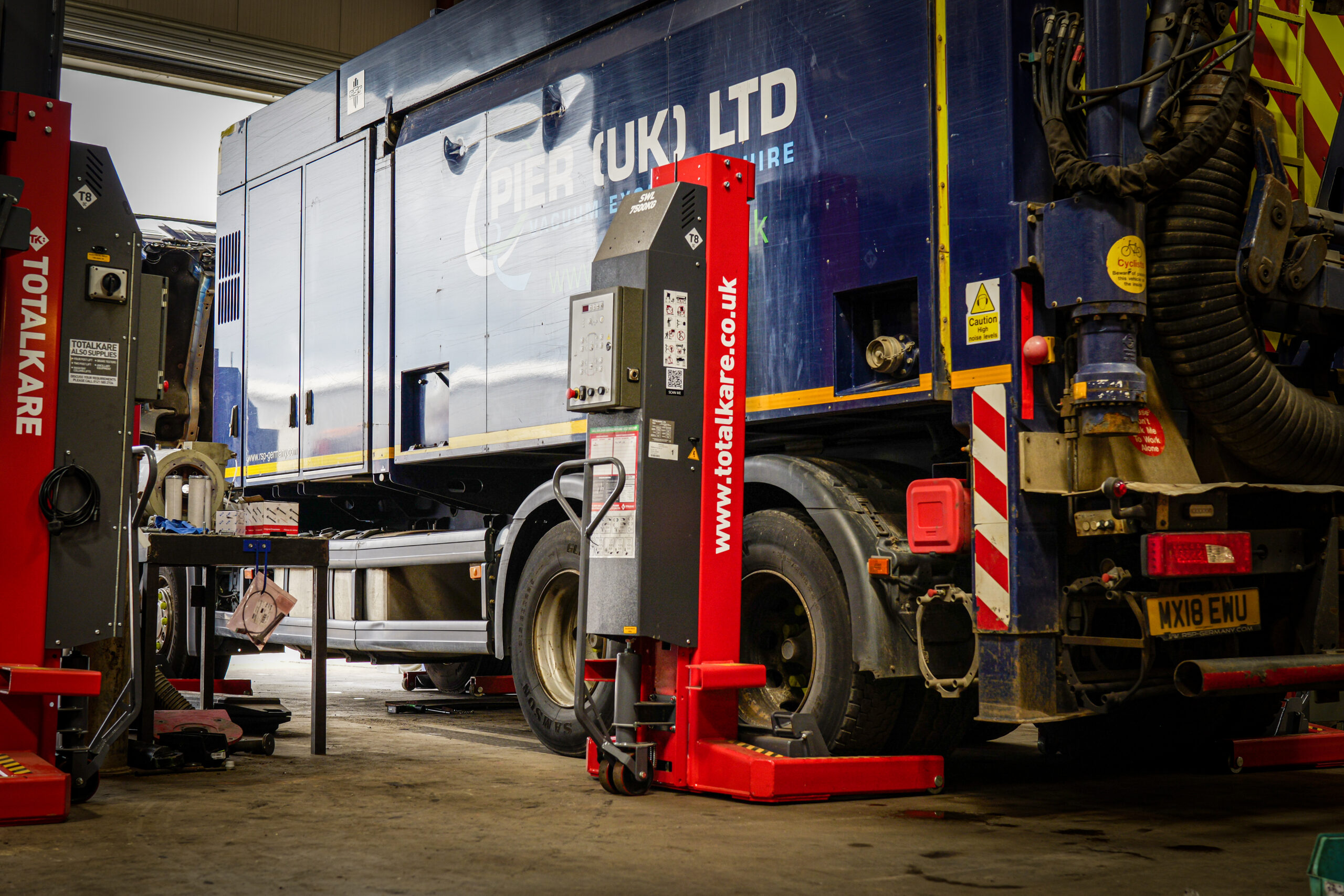
The everyday practices that help you avoid repairs on your vehicle lifts
When we talk about maintenance, it’s usually the big things: calibration, deep inspections, and professional service visits from qualified engineers.
But if you’re looking to extend the life of your equipment (and cut down on the cost of vehicle lift repairs), the smaller everyday measures can have just as much impact.
Here’s what your teams should be doing on a regular basis to help you avoid repairs on your vehicle lifts:
Smooth operation
With the huge forces involved in heavy-duty commercial vehicles, the parts in your lifts are under immense strain — even in the most perfect conditions.
When the lifting operation involves stops and starts (or jerky movement), the strain on those parts and systems gets amplified. So to keep your lifts healthy and extend their lifespan, you should always be aiming for a smooth lifting and lowering movement.
Sometimes that’s down to a lack of lubrication or dirty components. But sometimes it’s down to how your technicians are using the lift on a daily basis. Anyone using a vehicle lift should have had all the right training to do it safely. But when the workload is high and time is short, standards can slip — and staff in a rush could be causing unnecessary damage.
If you’re looking to reduce the repairs on your vehicle lift, a good place to start is with refresher training for its users. Make sure they’re aiming for a steady and smooth lifting and lowering operation, to spread out the strain on the components inside.
Regular cleaning
Cleaning your lifts is important. But it’s just as important to stop contaminants at the source.
Any busy workshop can be a chaotic environment, especially when different workstations are packed into a tight floorspace. You need to think about protecting your lift from: · Liquid and oil spills — or the fluids in AC servicing. · Dust and particles (especially close to a hydraulic press)
· Moisture in the air — especially if it’s close to a wash bay.
If you’ve got time and space to rethink your layout, it’s a good idea to keep the messier workstations further away from your vehicle lifts.
But for most workshops, that’s not a practical solution. So instead, you can take measures to block or separate your lift from any contaminants.
That might mean putting up screens between adjacent workstations — or putting a protective cover over your lift when it’s not in use. (That’s one of the reasons why an in-ground lift can be a good choice. It’s installed with a heavy-duty roller cover that closes over the housing when the lift isn’t being used. So as well as saving space, it’s doing a lot to keep dust and moisture away from the important components of the lift.)
Daily inspections
Vehicle lift inspections are essential for workshop safety, and your teams should be checking for damage or wear each time they use the lift.
But it’s also a great early indicator of potential maintenance problems — and spotting a small problem early is always better than expensive vehicle lift repairs later.
So as well as the basic safety checks, teach your staff to add some extra inspections to their daily routines: a slightly deeper look into non-critical parts of the lift, as well as the ones that directly affect their safety.
Need something more?
These everyday tips can go a long way to keeping your lifts healthy and long-lasting.
But they’re no substitute for the expert eye of a professional lift engineer, and the regular service visits that prevent breakdowns and minimise your vehicle lift repairs.
With the right service contract in place, you’ll have a fixed expense that’s easy to manage, and the confidence and reassurance that your lifts are up to scratch. You can see the different options for our Afterkare service packages — or talk to an equipment specialist to see exactly what you need for your shop.