
Leasing equipment vs buying: What’s best for your workshop?
Most good workshops are thinking in the long term: making smart investments in long-lasting equipment. But that doesn’t mean buying is always the best choice.
With a huge range of equipment (and varying lifespans and costs), there are some situations where leasing equipment makes more sense than buying.
Here’s what you need to know about leasing equipment vs buying it — and how to make the right choice for your business:
Leasing equipment: advantages and disadvantages
Buying things outright comes with clear advantages. But leasing equipment has advantages and disadvantages, too.
In most cases, it comes down to four main factors:
- The initial investment (where leasing is often lower)
- Whether you own the equipment forever (which can depend on the lease agreement)
- The costs (and hassle) of maintaining and repairing it
- How easily you can upgrade or replace the equipment.
| Buying equipment | Leasing equipment | |
| Costs | Large upfront costs | Small or no upfront cost (better for cash flow) |
| Ownership | Fully owned from day one | Returned to the supplier at the end
(Sometimes owned at the end through a lease purchase) |
| Maintenance | You’re responsible for all maintenance and repairs | Maintenance and repairs are often included in the lease agreement |
| Upgrades | Upgrades mean a new capital investment
Obsolete equipment needs to be sold or disposed of |
Easy to return old equipment and lease a new model |
Do you own the equipment you lease?
When you lease equipment, the standard agreement means you don’t own the equipment. When the agreement comes to an end, you’ll have to return the equipment and lease something new.
For some workshops, that can sound unattractive. You’re spending money each month on something that won’t be yours forever.
But in some cases, that’s actually a benefit:
If you’re leasing equipment with a short lifespan (or something that quickly becomes outdated or obsolete), you’re not tied to that same model forever. When you need an upgrade, you can swap it out for something new — without eating the cost of the entire purchase.
With some leases (like our own lease purchase agreement), you can arrange to pay off the final value at the end of the lease so you own the equipment forever.
For lots of workshops, that’s a safe ‘best of both’ situation. You get a manageable cash flow from steady smaller payments, but you’re also investing in a long-term piece of kit.
What workshop equipment is best for leasing?
Leasing is good for equipment that:
- Has a shorter lifespan
- Needs frequent upgrades
- Needs a lot of maintenance (if included in the lease)
In many cases, leasing equipment is a great choice for any workshop that needs to protect its cash flow — like a new business, or one that’s rapidly expanding.
But regardless of cash flow, there are some types of equipment that are better suited for leasing.
That could mean thinking about leasing for:
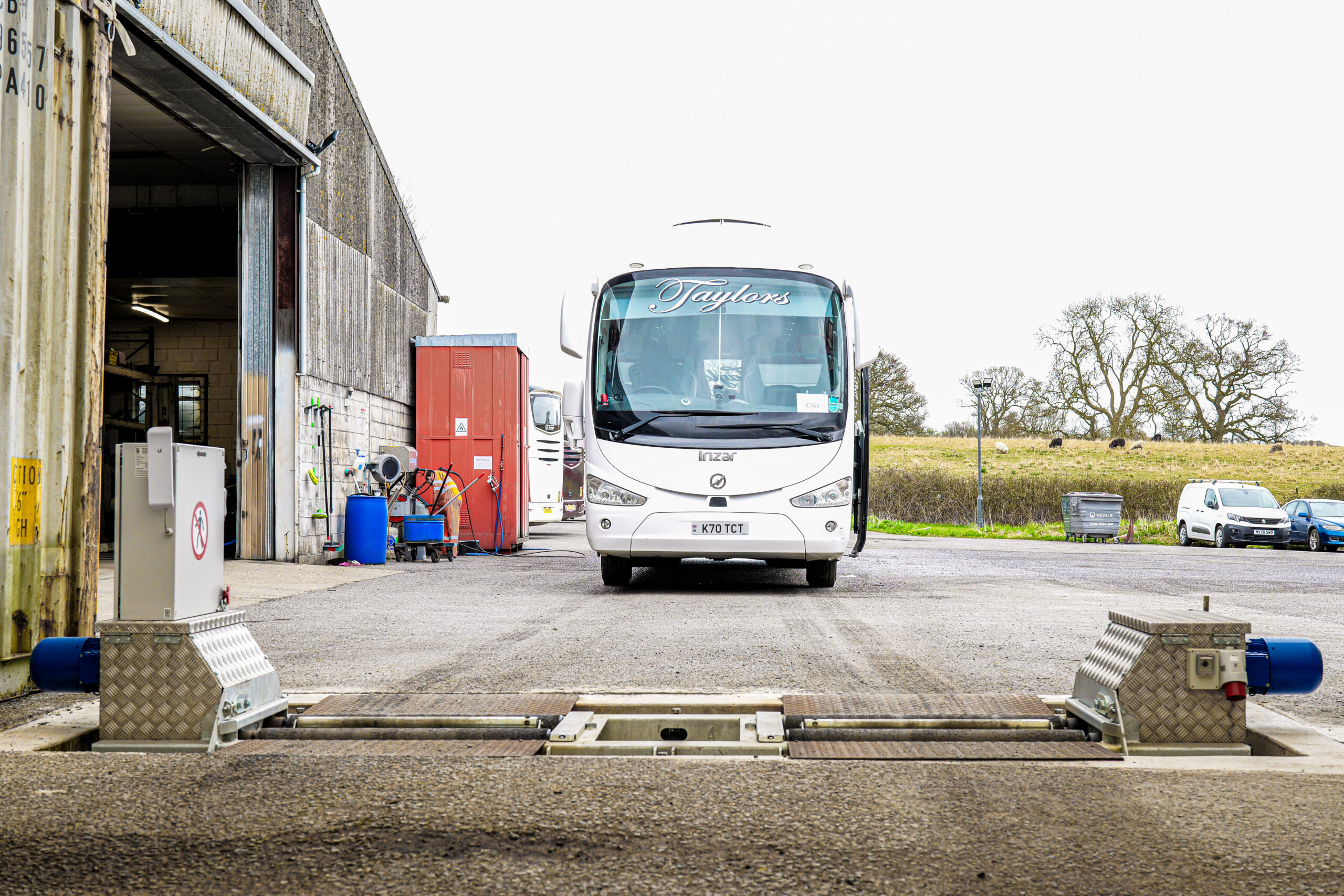
- Brake testers
- Mobile Column Lifts
What workshop equipment is best for buying?
Buying is good for equipment that:
- Your workshop will always need
- Has a relatively low cost
- Has a long lifespan with low maintenance
- Preserves its resale value
For workshops with a strong cash flow, owning their bread-and-butter equipment is often a wise choice for their long-term financials.
But some types of equipment are especially well-suited to a permanent purchase:
That usually means things like:
- Vehicle Lifts
- Hydraulic Presses
- Jacks And Stands
Still not sure which is right for you?
We’ve helped countless heavy-duty workshops with the equipment they choose — guiding them to the best decision for their budget and their situation.
So if you’re looking at upgrades and weighing up your options, take a look at our lease hire and lease purchase arrangements for lifts and brake testers — or chat with an equipment expert to find the right choice for your business.