
How to spot a maintenance bottleneck in your fleet
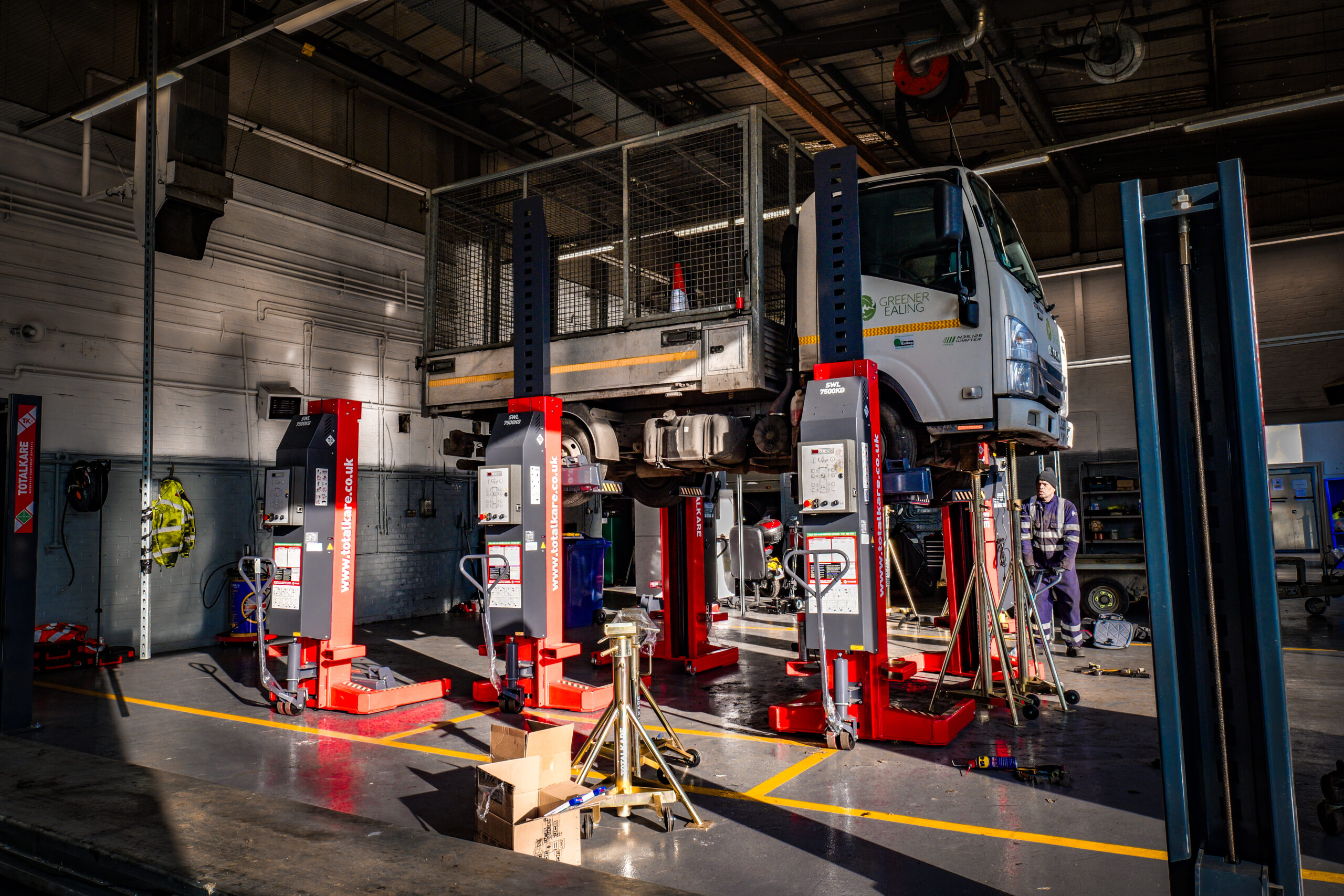
When fleet managers think of downtime, it’s easy to focus on the technical problems: equipment failures, technician mistakes, or the aging vehicles that make up your fleet.
But a lot of the time, the maintenance bottlenecks come down to the operational side — all the small hiccups in running a smooth workshop that add up to serious amounts of time lost.
Here’s what to look for in your processes and operations — to find the maintenance bottlenecks that are holding back your fleet:
Slow approvals
While some fleets use digital workflows to approve services and maintenance (often with automatic approvals or instant, remote sign-offs), some fleet operators are still lagging behind with outdated workflows and clunky systems.
Every hour a vehicle spends waiting for an approval is an hour of lost revenue, with both vehicles and drivers sitting idle (and extra disruption to your schedules and routes).
As well as the lost revenue, these slow approvals lead to additional labour costs, a higher burden on your logistics teams, and potential penalties from missing the targets on your service contracts.
If your approval process relies on emails and phone calls (or paper forms and filing), you’re probably looking at a maintenance bottleneck in your fleet that needs a fix. Instead, you can make the switch to:
- Automated fleet management software with instant notifications
- Mobile reporting for your drivers to flag issues early
- Software with pre-approved spending thresholds — so smaller repairs get instant authorisation.
Diagnostics and inspections
Even with fast approvals to get the ball rolling, there’s a huge scope for delay once vehicles arrive in the shop.
If your workshop’s suffering a backlog, vehicles can sit untouched in an inspection queue for hours. In many cases, these vehicles could have minor problems with a quick fix, and should be fast-tracked ahead of other vehicles to get them back out on the road as soon as possible.
But without an early and accurate diagnosis, these easy wins are never identified.
This becomes even more of a problem with newer modern vehicles, with complex digital systems and a huge amount of data involved to make an accurate diagnosis.
That’s why lots of workshops are equipping their teams with advanced diagnostic equipment, giving them dealer-level capabilities across a range of brands and vehicle types — so their early-stage teams can take a shortcut to a fuller understanding of the problem at hand.
Waiting for parts
Sourcing parts is one of the most frustrating maintenance bottlenecks for a fleet. By the time your teams realise there’s a problem, they’ve already spent time on their inspections and diagnosis — and they now need to relocated the vehicle and put it on the backburner until new parts arrive.
That’s time and effort wasted that could have been spent on a successful repair with a different vehicle. And with some vehicle issues, the extra delay could lead to a worsening of the problem, adding more costs and time to what could have been a small fix.
That means you should be looking at:
- Proactive inventory ordering — looking ahead to the most likely parts you’ll need
- Inventory management software — to give you a complete picture of your stock levels
- Stocking up on parts where your suppliers are inconsistent
- Diversifying your supplier network — so you’re not over-reliant on one company.
Scheduling conflicts
With so much complexity between fleet operations and workshop timing, you can’t always get the repairs you need when you need them.
When the many moving parts of your operation are unaligned, it creates a maintenance bottleneck for your fleet and its vehicles. That could look like:
- Specialist maintenance staff unavailable on the shift
- Vehicles that need attention on critical routes that can’t be interrupted
- Urgent customer deliveries that can’t be avoided.
When these conflicts add up, they contribute to the backlog of an already busy workshop, affecting the maintenance schedules of other vehicles, drivers, and technicians.
To prevent this, you should be looking at:
- Fleet management software that can automate and align different schedules
- Automatic reporting of vehicle diagnostics
- Spreading specialist training across a wide range of technicians
- Using software to centralise your data — so your technicians, drivers, and logistics team can all see the same availability.
Need faster diagnostics?
There’s no easy fix to the maintenance bottlenecks in your fleet — it’s the sum of many small optimisations across every stage of your scheduling and workflows.
But there’s one area that can benefit from a technical solution: the diagnostics and inspection queue of the vehicle arriving at your workshop.
You can see the full features of our multi-brand diagnostic equipment in our online shop — or talk to a maintenance equipment expert to see exactly how it speeds up your processes.