
Trolley jack safety: What you need to know to keep your teams safe
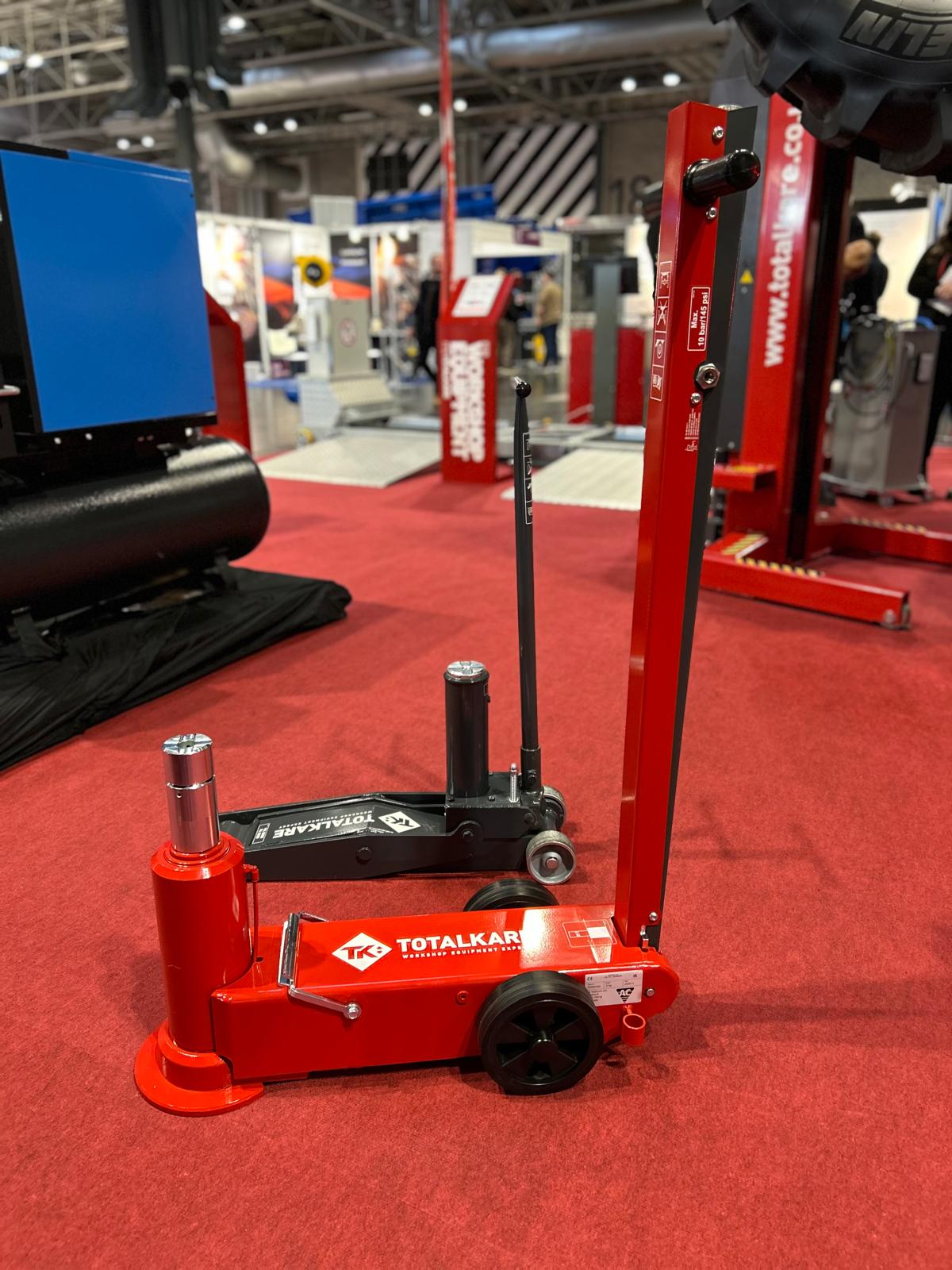
For smaller tasks or specific components, it won’t always make sense to use a full-on vehicle lift.
Instead, most teams choose something more mobile and convenient, like a heavy-duty trolley jack that can be positioned where it’s needed.
But while the equipment might be smaller, the risks are still serious.
Here’s what you need to know about trolley jack safety — and the steps you can take to reduce your risks:
What are the common safety risks?
When used correctly, a high-quality trolley jack is a reliable and safe part of your workshop toolkit.
The most common trolley jack safety risks usually come from improper use:
- Incorrect positioning — leading to unstable loads and the risk of vehicles slipping
- Rushing through setup without the right checks
- Choosing a trolley jack with a lifting capacity that’s too low for the vehicle
- Using a trolley jack on uneven ground — like gravel or dirt
- Using a trolley jack to support a vehicle after lifting (instead of the right ).
All of these mistakes can have a huge impact on the safety of your trolley jacks, leading to vehicle damage, equipment damage — or in the worst case — serious physical harm from a vehicle slipping or moving.
The basic trolley jack safety rules you need to teach
While the potential risks of improper use are serious, there’s plenty you can do to prevent and reduce accidents. If your teams are using trolley jacks, they should always follow these basic safety rules:
- Always use a trolley jack on a stable and even surface
- Never exceed the rated lifting capacity of the trolley jack
- Use the right jack for the vehicle
- Always use the correct lifting points (designated by the vehicle’s manufacturer)
- Never rely on a trolley jack to hold the vehicle after lifting
- Always lower the vehicle slowly when you’re finished (to control the descent and prevent sudden movements).
Daily safety checks for trolley jacks
It’s essential to train your staff to use a trolley jack safely. But it’s just as important to keep your trolley jacks in good health — with routine maintenance and daily checks.
Before using a trolley jack, you should always check:
- The frame and components for any visible damage (cracks, bends, or misalignment)
- The hydraulic system for signs of leakage (which could cause the vehicle to drop)
- Any lubrication points (and lubricate if needed)
- The wheels and castors (for signs of damage or restricted movement)
- The load-bearing saddle (for both damage, and misalignment).
What about PUWER and LOLER?
As a piece of equipment that’s also used for lifting, trolley jacks are affected by both LOLER and PUWER regulations — which means you have responsibilities under both regulations.
Under LOLER regulations, trolley jacks need to:
- Have their use planned and supervised by a competent person
- Have a ‘thorough examination’ every 6 months.
Under PUWER regulations, you need to:
- Ensure your trolley jacks are suitable for the intended use
- Provide trolley jacks that are safe for use, safely installed, and maintained for safety
- Make sure they’re used only by people who have had the right training, instruction, and information.
Need some safety advice?
As well as supplying the highest-quality equipment, we’re also here to guide and advise — helping you choose the right equipment for your workshop to keep your teams safe and productive.
If you’re looking for new trolley jacks and you’re not sure what you need, start a chat with a workshop product expert — we’ll talk you through your options and find the right match for what your business needs.