
The new tech that’s shaping the future of vehicle testing
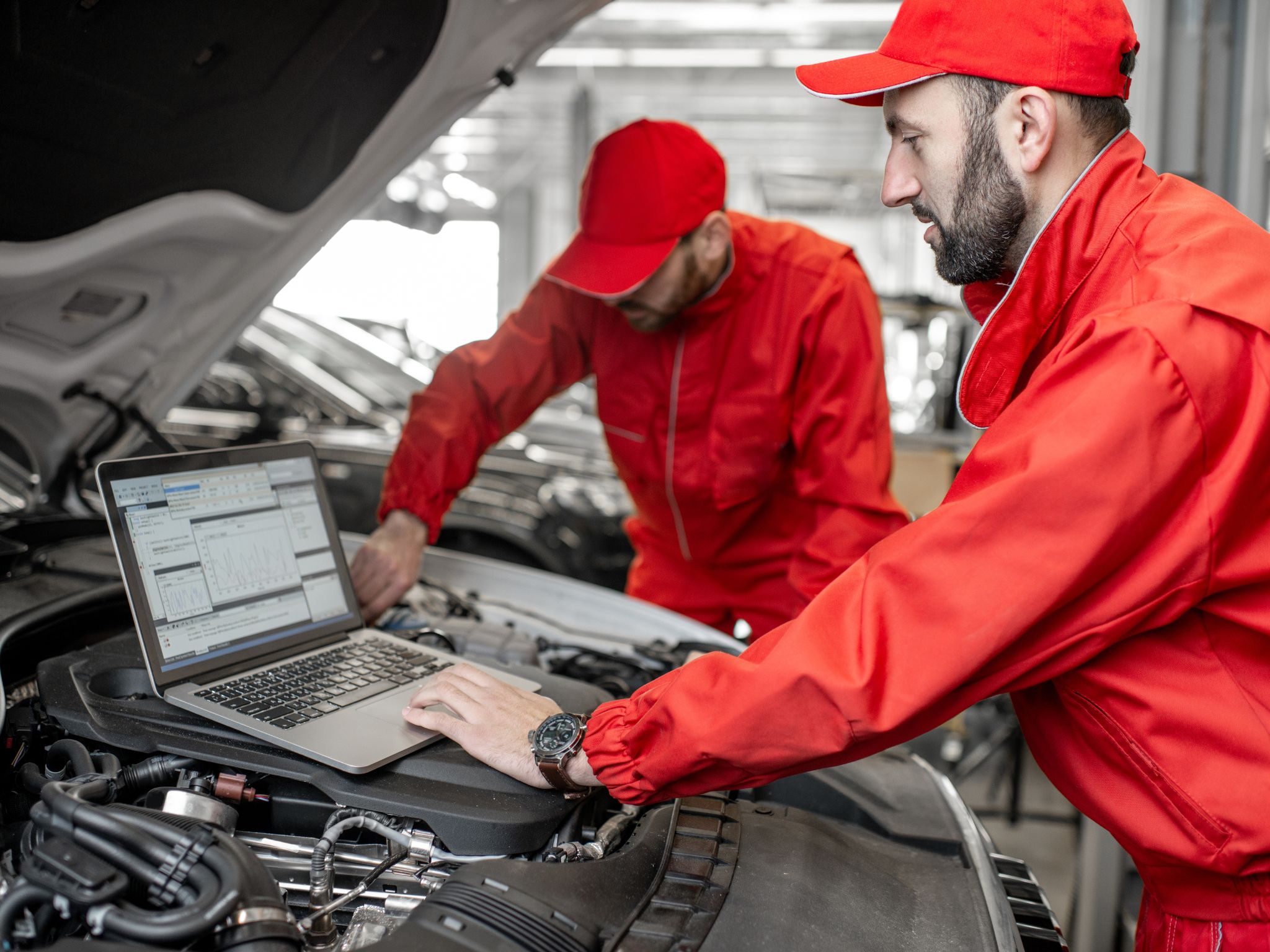
We’re in an arms race of technology in the automotive industry.
With every new vehicle and its complex new tech, workshops need bigger and better testing equipment to help them keep up — so they can stay compliant and keep their fleets safe.
Here’s what to expect from the road ahead:
Artificial Intelligence (AI)
You can’t seem to go a day without hearing something about AI. But for workshops and fleets, it really is a big deal.
New developments in AI tools are set to revolutionise the way we test vehicles — giving us new levels of precision and prediction at a faster rate than ever before.
In fact, it’s already here:
Amazon recently revealed a new AI-powered technology they’re using to inspect their delivery vehicles at the end of each day.
By driving through an archway equipped with sensors and cameras, their drivers get an instant read of the condition of their vehicles. These futuristic sensors can detect even the smallest anomalies in the vehicle’s systems and components — from deformities in the tyres to wear and tear on the undercarriage.
After a fully automated scan of the vehicle in just a few seconds, the AI system can identify issues, organise them according to their severity, and send the data to a computer to produce a full report for the engineers on-site.
So what does that mean for your workshop and your teams?
There may come a time when conducting a manual inspection simply doesn’t make sense.
With an AI-powered tool carrying out an initial inspection, you’ll get an instant overview of the problems and potential failures — helping you to boost your productivity and keep your throughput high.
Remote diagnostics
We’ve already seen huge advances in the tech behind vehicle diagnostics equipment — with handheld bits of kit that put dealership-level data in the palm of your hand.
But with remote diagnostics, the testing never ends:
As modern vehicles continue to become more software-driven and internet-connected, there’s an opportunity to share more data about the performance of the vehicles on a continual basis.
With remote diagnostics, you can constantly monitor the metrics behind the different systems you’d normally test for — giving you live and up-to-date information about the condition of your fleet.
And the result?
There may come a time when regular scheduled tests aren’t needed any more.
Instead of monthly check-ups to look at the health of each vehicle, you’ll know exactly what’s going on under the hood on a daily basis.
You’ll be able to spot potential problems in each individual vehicle as soon as they appear — and only book a test or a repair when you know it’s really needed.
Digital MOTs
It’s not just the testing equipment and the vehicles that are set to change:
We’re seeing a digital revolution in the MOT system itself — and the institutions and services that support it.
The DVSA is already undergoing a dramatic shift in its heavy vehicle testing services, creating a digital platform that could eventually phase out paper certificates.
So what does that mean for fleets and their tests?
You’ll be able to see real-time test results as soon as your MOTs are completed, with instant access to a digital MOT certificate.
You’ll have your complete MOT history available online — and you might eventually be able to do away with physical ‘Ministry Plates’ completely.
Autonomous vehicles
We may be a while away from having entirely autonomous fleets — but it’s certainly on the horizon.
And once self-driving vehicles become an everyday occurrence, it’s going to completely change what’s involved with vehicle testing.
It’ll be more than just the nuts-and-bolts of mechanical braking systems and chemical emissions testing.
You’ll be testing vehicles that rely on their software and digital systems — and that means a whole new set of demands on your workshop and your engineers.
It means new testing procedures, new training and knowledge for your teams — and all the new risks and responsibilities that come with it.
And that means you can expect to see the development of entirely new testing equipment to match those modern needs.