
In-Ground Vehicle Lifts: What Workshop Managers Need to Know Before Buying
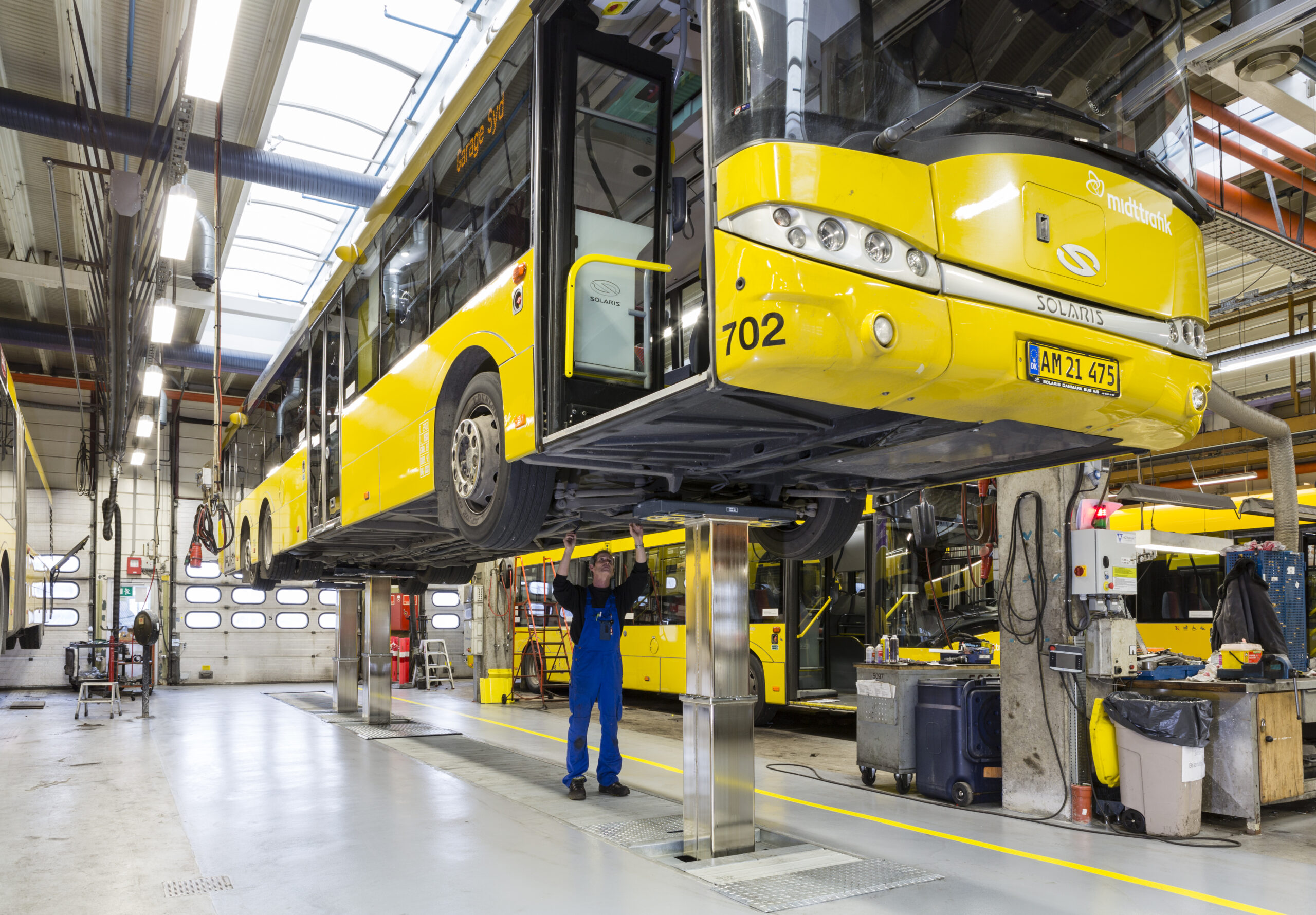
An in-ground vehicle lift is a serious investment. The installation goes into your floor, the columns become part of your workshop layout, and the decision sticks around for years. That makes getting it right the first time important.
This guide covers the mechanics, the configuration options, and the day-to-day practicalities, so you can work out whether an in-ground lift is the right fit for your workshop before you commit.
How Does an In-ground vehicle lift Actually Work?
An in-ground vehicle lift raises vehicles by attaching to the chassis, not the wheels. That distinction matters more than it sounds.
Because the lift connects at the chassis, your technicians can access almost everything underneath the vehicle: the axles, the suspension components, the wheels themselves, and the surrounding systems. A wheel-engaging lift blocks part of that access by design. A chassis-engaging lift does not.
The lifting mechanism itself works through hydraulics. Each column contains a cylinder filled with hydraulic fluid. When pressure builds in that fluid, it pushes a piston upward, raising the vehicle. The Totalkare In-Ground Lift uses square lifting columns with two independent hydraulic circuits, which adds a layer of safety: if one circuit develops a fault, the other maintains the lift position.
For workshops operating under LOLER regulations, that kind of built-in redundancy is worth understanding before you specify any lift. The HSE guidance on Lifting Operations and Lifting Equipment Regulations sets out the inspection and safety requirements your equipment will need to meet.
How Many Columns Do You Need?
The minimum configuration for an in-ground vehicle liftis two columns. Each column on the Totalkare system has a lifting capacity of 15,000kg, giving a two-column setup a total capacity of 30,000kg. That covers most commercial vehicles you are likely to see day to day.
But for workshops handling the heaviest vehicles, or workshops with high throughput, two columns can become a bottleneck quickly.
The Totalkare system scales up to eight columns, giving a total lifting capacity of 120,000kg. At that capacity, you can handle even the longest, heaviest HGVs on the road. More usefully, a larger installation lets you group the columns into separate working zones.
With a four-to-eight column setup, you can control different groups of columns independently. In practice, that means you could lift two large vehicles at the same time, or four smaller vehicles, depending on what your workshop needs on a given day. A single installation effectively gives you multiple working lifts.
Positioning the Lift and the Vehicle
Most vehicle lifts work one way: you drive the vehicle into position over the lift, and the lift does the rest. An in-ground vehicle lift can work the other way too.
Using a wireless remote control, you can move the columns along the track of the installation to suit the vehicle you are servicing. If you have a long articulated vehicle, you adjust the column spacing accordingly. If you are switching between a rigid and a drawbar in the same session, you reposition the columns between jobs.
That flexibility becomes especially useful when you are running grouped column setups. Getting the right spacing between grouped vehicles is straightforward when you can move the columns rather than repositioning the vehicles themselves.
What Happens to Your Floor Space?
An in-ground vehicle lift does occupy floor space. Two columns and the track between them create a fixed footprint in your workshop. Workshops with tight layouts need to factor that in from the start.
What changes the calculation is what happens to the space between the columns. The Totalkare system includes a built-in roller cover that spans the gap between each column. The cover is rated to 7,000kg, meaning your team can walk over it safely, roll heavy equipment trolleys across it, and in some cases move smaller vehicles like forklifts through the area without any hazard.
When you reposition the columns along the track, the roller cover moves with them automatically. There are no gaps left behind, no sections of open track to step across. The floor stays usable throughout.
Is an In-Ground Lift Right for Your Workshop?
An in-ground vehicle lift makes most sense for workshops that service heavy or varied fleets, need high throughput from a single bay, or want chassis-level access across a wide range of vehicle types.
The commitment is real. The installation is permanent, the footprint is fixed, and the upfront cost is higher than mobile alternatives. For workshops where any of those factors is a serious constraint, a mobile column lift might suit better.
For workshops where throughput, flexibility, and access depth are the priority, an in-ground vehicle lift is hard to match.
Talk to the Totalkare team to get the full specs on our In-Ground Lift and work out the right column configuration for your floor.