
What’s the real cause of your maintenance backlogs?
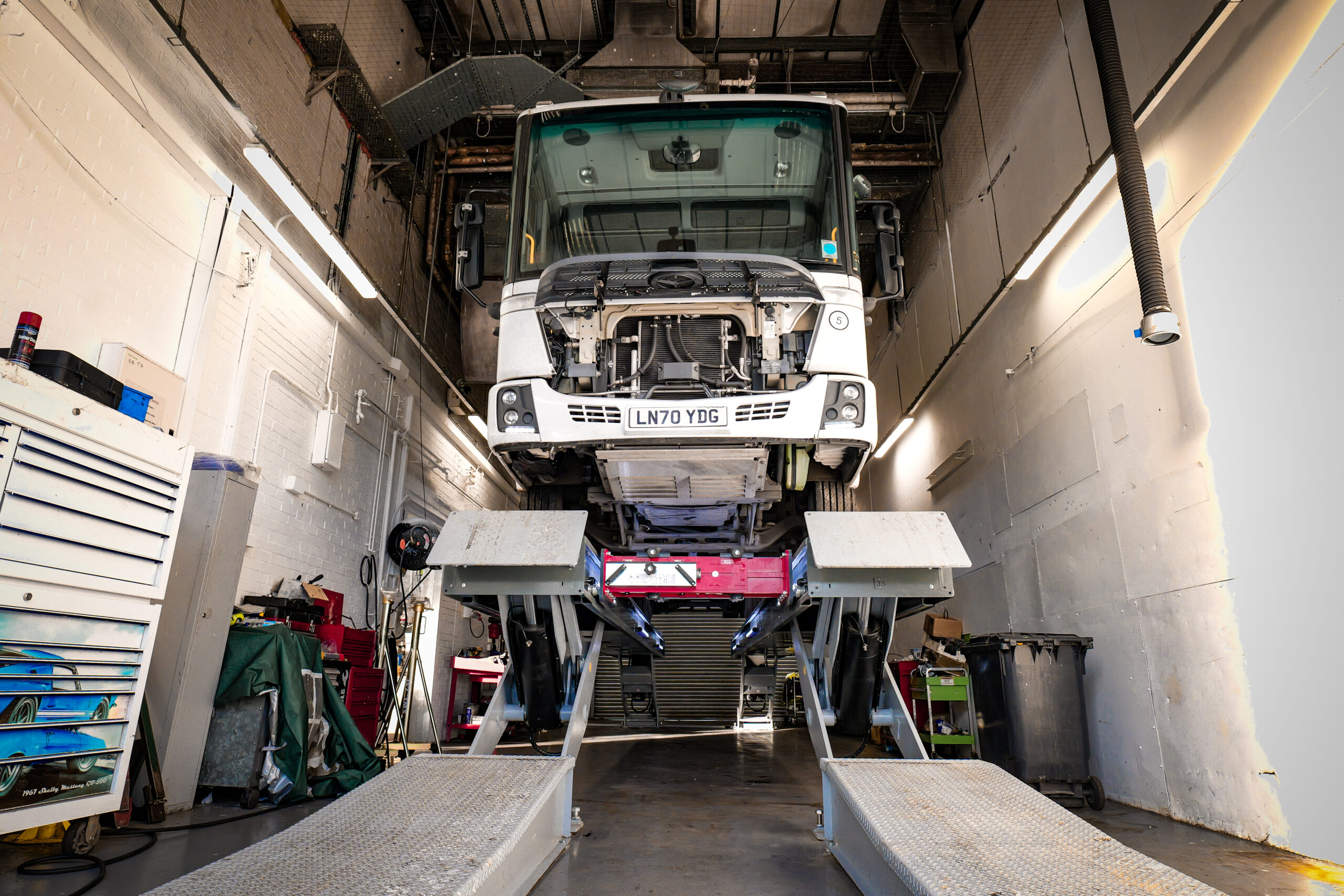
For maintenance managers in busy fleets, productivity and uptime are a constant pressure. And while fleets are constantly expanding, your workshop usually isn’t.
That’s a real problem for any growing fleet: one that leads to maintenance backlogs that wreak havoc on your schedule and the targets you need to hit.
But a lot of the time, it’s not always down to a limited workshop.
Here are the hidden drivers causing maintenance backlogs in busy fleets — and the steps you can take to ease the pain:
Ageing vehicles
Data from the DVSA shows the average age of an HGV grew to 8 years in 2024 — an increase of 1 year compared to the same data in 2019.
With fleet operators feeling the pressure to squeeze more value out of their capital investments, we could see that average age continue to grow, with more older HGVs kept in circulation for longer.
For fleets with increasingly older vehicles, that means:
- More wear and tear on components
- More corrosion and fatigue from extended use
- Older components that are harder to source.
That all adds up to more frequent and intensive repairs, adding to your shop’s workload and becoming a contributing cause of maintenance backlogs.
What fleet workshops can do:
- Use proactive maintenance — not reactive
- Stock up on older components while the supply is available
- Increase the frequency of inspections to catch problems early before they get worse
Technician shortages
An ageing fleet is a considerable problem. But it’s not just the vehicles that are ageing:
Recent numbers from the IMI show that almost half (47%) of the automotive workforce is aged 45+, with job vacancies growing as high as 19,000 in late 2025.
For many fleet operators, it’s becoming difficult to source the talent and skills they need as they expand their workshops. And as the older generation of technicians move towards retirement, there may be a serious skill gap in the future.
With busy fleets, the problem is simple: the demand for fleet maintenance can outstrip the supply of skills and labour available.
What fleet workshops can do:
- Cross-train your staff to spread skills across the team
- Invest in salaries and employee benefits to retain your best technicians
- Look at modern automated workshop equipment to help you do more with the teams you have
Vehicle complexity
In contrast to an ageing fleet, there’s another problem at the end of the scale:
As fleet operators replace their older vehicles with new models, the complexity and requirements of the modern tech multiplies.
It’s a problem for newer ICE vehicles, with advanced emissions systems and the new wave of assisted driving technologies. These new and additional systems add new demands to the maintenance of a modern fleet.
But it’s also a separate problem as fleets start moving towards EVs, with new requirements for a workshop’s equipment, skills, and safety measures with electric vehicles.
And to make matters worse: this added complexity from modern vehicles is compounded further by any skill shortage with your technicians — adding more causes for maintenance backlogs in your fleet.
What fleet workshops can do:
- Find (or train) specialist staff equipped for the new wave of modern vehicles
- Invest in modern diagnostic equipment that’s updated for complex new vehicles
Reactive maintenance
In the busiest workshops where demand outstrips supply, many fleet managers are trapped in reactive maintenance — putting out fires rather than preventing them.
When you’re already at capacity, it makes perfect sense: focusing your resources on the most urgent vehicles that simply can’t wait.
In the long run, it’s not sustainable. And your maintenance backlogs might never improve.
Instead, fleet operators need a switch to preventative maintenance. With earlier and more regular inspections and diagnoses, you can spot problems early before they develop into more time-consuming issues.
That’s true for your vehicles and the maintenance they need. But it’s just as true for the equipment you use to service them:
For fleets who are already struggling with a fleet maintenance backlog, keeping their equipment in top condition is an extra burden on an already busy schedule. So it often makes sense to use a third-party service contract, like one of our Afterkare service packages.
With your equipment regularly serviced and repaired on schedule (and importantly, the burden shifted to outside help) you can focus your own teams and resources into servicing your vehicles — to bring your workshop up to speed and your fleet running smoothly.