
5 common compliance gaps in fleet workshops
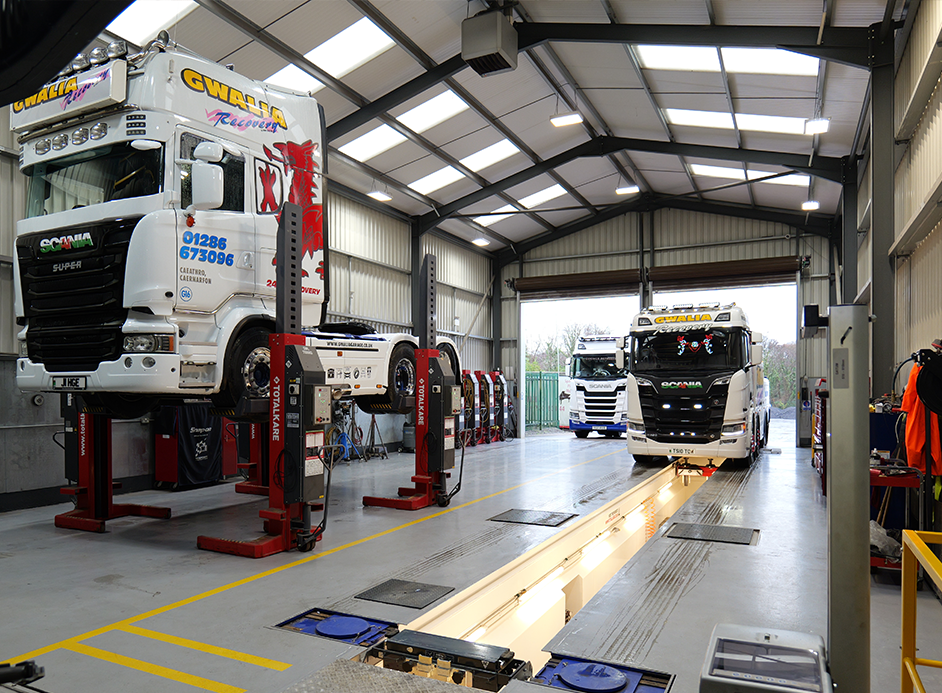
Compliance for fleet workshops can feel like a never-ending treadmill:
With a constant flood of new equipment and regulations, it’s an uphill battle for compliance managers to protect the business and keep everything on board.
Despite your best efforts, there’s always the risk of missing something crucial — and it’s often the smallest areas that are easy to neglect.
Here are the most common compliance gaps in fleet workshops, and what you can to keep things in line:
1. Poor record-keeping
No matter what industry you’re in, a lack of documentation is one of the easiest and most common routes to compliance failure.
But for some fleet workshops (especially those with outdated systems), it’s not as simple as falling behind or letting standards slip.
When workshops rely on paper-based processes with manual entry, they leave themselves open to:
- Human error
- No backup documentation
- Physical degradation (e.g. water damage).
No amount of strict policy or training can prevent risks like these. Instead, modern fleet workshops should be switching to digital record-keeping for their compliance — to minimise the risk of human error, and eliminate the possibility of losing documents forever.
2. Uncalibrated tools
There’s a lot of focus in compliance on the big-ticket pieces of equipment —the vehicle lifts and brake testers that come with clear hazards and complex machinery.
But even the smallest bits of kit can lead to compliance failure for a fleet workshop, including:
- Torque tools
- Headlamp testers
- Emissions analysers.
As well as the obvious risks of inaccurate test results and faulty repairs for your vehicles, some pieces of equipment (like torque tools) can create a serious personal risk for your technicians as they use them.
So for compliance managers looking to cover their bases, your workshop needs a regular schedule of calibration for your equipment — you can see the exact DVSA minimum calibration schedules for different types of equipment in our guide here.
3. Lack of PPE
Every good workshop has a good supply of PPE — Personal Protective Equipment from a trusted supplier that’s appropriate for the jobs they carry out.
But many compliance failures have nothing to do with the quality or availability of PPE. In many cases, it’s simply not being used.
So as well as supplying the right PPE (and making sure it’s regularly inspected), you should also be:
- Educating your teams on the importance of PPE — in terms of both safety, and legal and financial consequences
- Making PPE as frictionless as possible — storing the right PPE close to the relevant jobs, with clear signage to remind people to use them
- Enforce your policies — conduct regular spot checks to make sure your teams are using them, and take disciplinary measures if they don’t.
4. Poor training
No compliance manager would allow a technician to use equipment without training. But in reality, some team members can fall through the gaps (and it often ties back to poor record-keeping).
As your teams keep growing and new equipment gets added, it gets more and more complex to keep every member of staff up to date on their training. And if there are weaknesses in your documentation processes, it becomes harder to spot any gaps in their knowledge or experience.
That means you need to:
- Keep strict training documents, and keep them updated and regularly checked
- Provide refresher courses on a regular basis — so your teams don’t lose knowledge
- Cross-train staff where you can (to avoid untrained staff ‘helping out’ when someone is absent)
- Use online training courses for workshop equipment — so it’s easy and convenient for your teams to stay up to date.
5. Missing inspections
Most workshop equipment needs regular inspections: at a minimum, the daily checks conducted by your teams before they start the job.
But there are also strict conditions around equipment inspection as a part of fleet workshop compliance. And if these inspections aren’t regularly scheduled, it’s easy for them to slip through the cracks.
The easiest way to make sure you’re covered is to let a third-party expert handle the routine servicing and repairs of your equipment — like with our Afterkare service contract for vehicle lifts and brake testers.
With a qualified engineer visiting twice a year to conduct servicing and repairs, you’ll know exactly what condition your equipment’s in, with options for Reports of Thorough Examination to prove you’re covered under LOLER and PUWER regulations.
But perhaps most important:
With a service contract in place for your core equipment, you’ve got one area covered by a trusted supplier — so you can focus your time and resources on the rest of your workshop’s compliance.